
The population in 2022 - 1.4118 billion - fell by 850,000 from 2021.

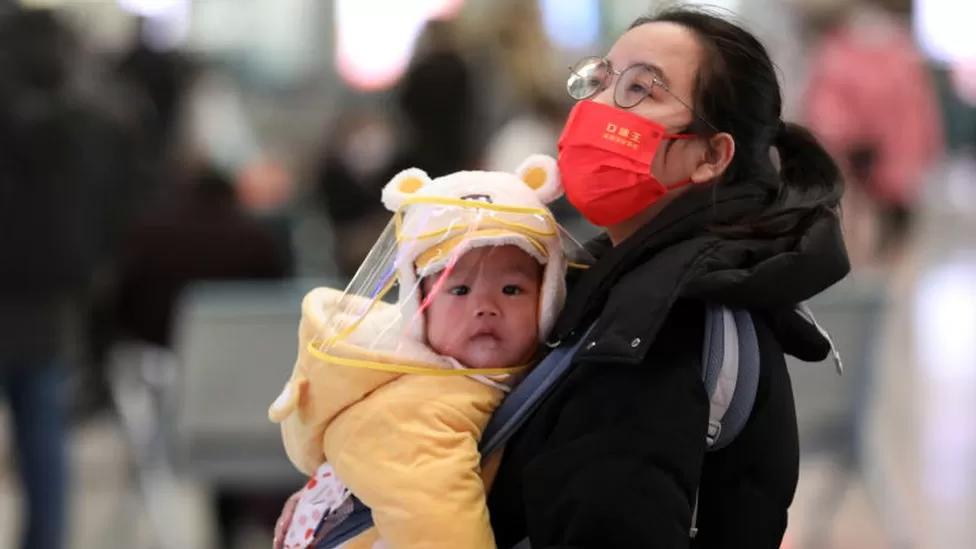
Beijing: China's population has fallen for the first time in 60 years, with the national birth rate hitting a record low - 6.77 births per 1,000 women.
The population in 2022 - 1.4118 billion - fell by 850,000 from 2021.
China's birth rate has been declining for years, prompting a slew of policies to slow the trend.
But seven years after scrapping the one-child policy, it has entered what one official described as an "era of negative population growth".
The birth rate in 2022 was also down from 7.52 in 2021, according to China's National Bureau of Statistics, which released the figures on Tuesday.
Deaths also outnumbered births for the first time last year - China logged its highest death rate since 1976 - 7.37 deaths per 1,000 people, up from 7.18 the previous year.
Earlier government data had heralded a demographic crisis, which would in the long run shrink China's labor force and increase the burden on healthcare and other social security costs.
Results from a once-a-decade census announced in 2021 showed China's population growing at its slowest pace in decades.
An ageing population and falling birth rates have been slowing down other developed economies in Asia, such as South Korea and Japan.
China's population trends over the years have been largely shaped by the controversial one-child policy, which was introduced in 1979 to slow population growth.
Families that violated the rules were fined and in some cases even lost jobs. In a culture that historically favors boys over girls, the policy had also led to forced abortions and a reportedly skewed gender ratio boys from the 1980s.
The policy was scrapped in 2016 and married couples were allowed to have two children. In recent years, the Chinese government also offered tax breaks and better maternal healthcare, among other incentives, to reverse or at least slow the falling birth rate.
But these policies did not lead to a sustained increase in the births - experts say this is because policies that encouraged childbirth were not accompanied by efforts to ease the burden of childcare, such as more help for working mothers or access to education.
In October 2022, Chinese president Xi Jinping made boosting birth rates a priority. Mr. Xi said in a once-in-five-year Communist Party Congress in Beijing that his government will "pursue a proactive national strategy" in response to the country's ageing population.
SOURCE: BBC

The SaaSpocalypse that wasn’t, with Atlassian CEO Mike Cannon-Brookes
- 10 hours ago

Tesla’s Optimus robot is going through growing pains
- 10 hours ago

Why diesel prices are an economic time bomb
- 8 hours ago

Nvidia says its new AI safety platform can contain rogue agents within ‘milliseconds’
- 10 hours ago

'No new MRPs': Pakistan to switch to e-passports from Oct 15
- 20 hours ago

These camera apps give you more control over the iPhone 18 Pro’s aperture
- 10 hours ago
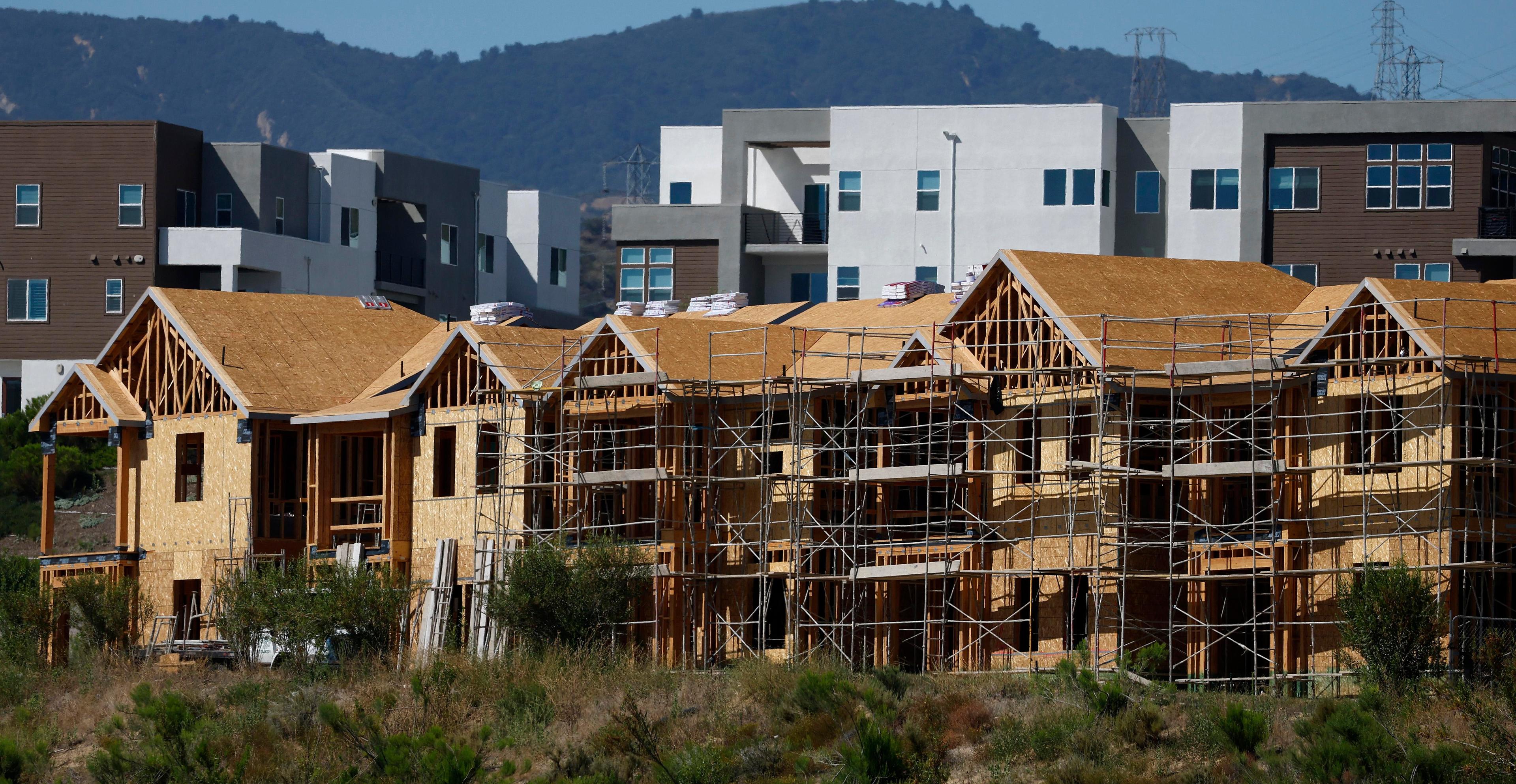
How can we create more Indianapolises and fewer San Franciscos?
- a day ago

India thump Sri Lanka, will face Pakistan for Asian Games cricket gold
- a day ago

Flock cameras are creepy. They might still be worth it.
- 8 hours ago

Anthropic warns of ‘catastrophic’ AI risks in its own IPO filing
- 10 hours ago

DG ISPR details alleged Indian ‘false-flag operation’ in Indian-held Kashmir
- 21 hours ago
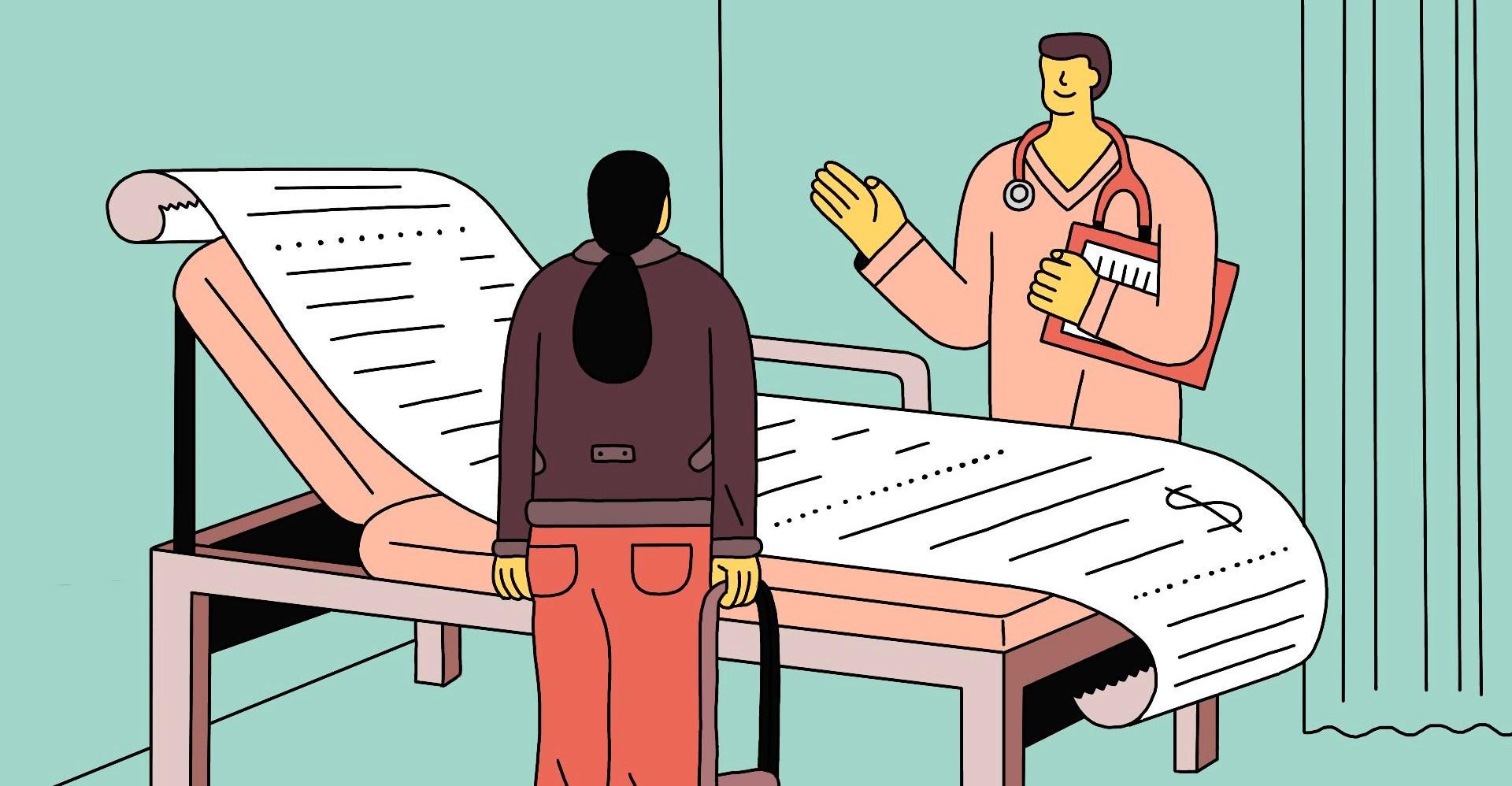
You’re supposed to get one free doctor’s visit every year. So why are so many Americans being charged?
- 8 hours ago