Our first official glimpse of Android 15 is here. It includes a lot of under-the-hood tweaks to strengthen communication between hardware and software — and it comes at a time when Google has been tightening its working relationship with frenemy Samsung. Focusing on the platform’s holistic health and working more closely with hardware partners makes a lot of sense. That’s especially true if the goal is to compete with the company traditionally known for sleek hardware and software integration: Apple.
Technology
- Home
- Technology
- News
Android 15’s first developer preview has arrived
Android 15’s first developer preview debuts today, adding more ways to help software and hardware work together in harmony.

Published 3 years ago on Feb 18th 2024, 10:00 am
By Web Desk
The first developer preview is available starting today, with public betas arriving early this spring as Google works toward platform stability in June. A handful of the updates relate to Android’s Dynamic Performance Framework that helps manage how power-intensive apps interact with the phone’s power system. These tweaks aim to help the device better respond to demands on its GPU, CPU, and thermal systems, and help apps with long-running background tasks operate with power efficiency. Not exactly exciting stuff but important to overall performance.
Other updates center on privacy, including stronger protections against malware sneaking into app files. Android 15 also includes the latest version of the Privacy Sandbox — that’s an ongoing initiative to find ways for apps to leverage targeted ads that maintain some semblance of user privacy in a post-cookiepocalyptic world.
It’s not all privacy and performance optimization, though. There’s support for the partial screen recording feature introduced in one of Android 14’s quarterly platform release betas, allowing you to record just the content of an app rather than your whole screen. Android 15 also improves the camera experience in third-party apps, something Samsung has been working on recently, too. Low-light image previews will benefit from some additional processing so they appear brighter — more like what you’ll see after you push the shutter button. App developers will also be able to access flash controls to adjust the intensity.

:format(webp)/cdn.vox-cdn.com/uploads/chorus_asset/file/25289858/vic_timeline.png)
Android phone sales continue to trail well behind Apple’s in the US, and as the smartphone market overall contracts, there’s no sign of that trend changing anytime soon. But there’s some good news on the horizon: Apple will adopt RCS this year, making cross-platform messaging a little less terrible and maybe taking some of the sting out of switching from an iPhone to Android. And closer ties between Samsung and Google could help put them in a better position. Strengthening the integration between Android software and hardware across the ecosystem can only help these companies take a bigger bite of the Apple.

PM Shehbaz sets illustrative wheat price at Rs4,500 per 40kg for 2027
- ایک دن قبل

Agha back but no Rizwan for Pakistan following England debacle
- 6 گھنٹے قبل

US military bans BYD vehicles from strategic air base in Japan
- 2 دن قبل

Pakistan rejects Khalilzad's allegations of arming Afghans
- 12 گھنٹے قبل

How to ban gerrymandering when the Supreme Court is stacked against you
- 21 گھنٹے قبل

10 terrorists, including one female, killed in Gwadar: ISPR
- ایک دن قبل

SpaceX will try catching Starship and its booster for first time, Musk says
- ایک دن قبل
Xbox Cloud Gaming’s pay-as-you-go option starts at $3.99 for 10 hours
- 14 گھنٹے قبل

Saudi forces say intercepted two Houthi missiles targeting Yanbu, Taif
- 12 گھنٹے قبل
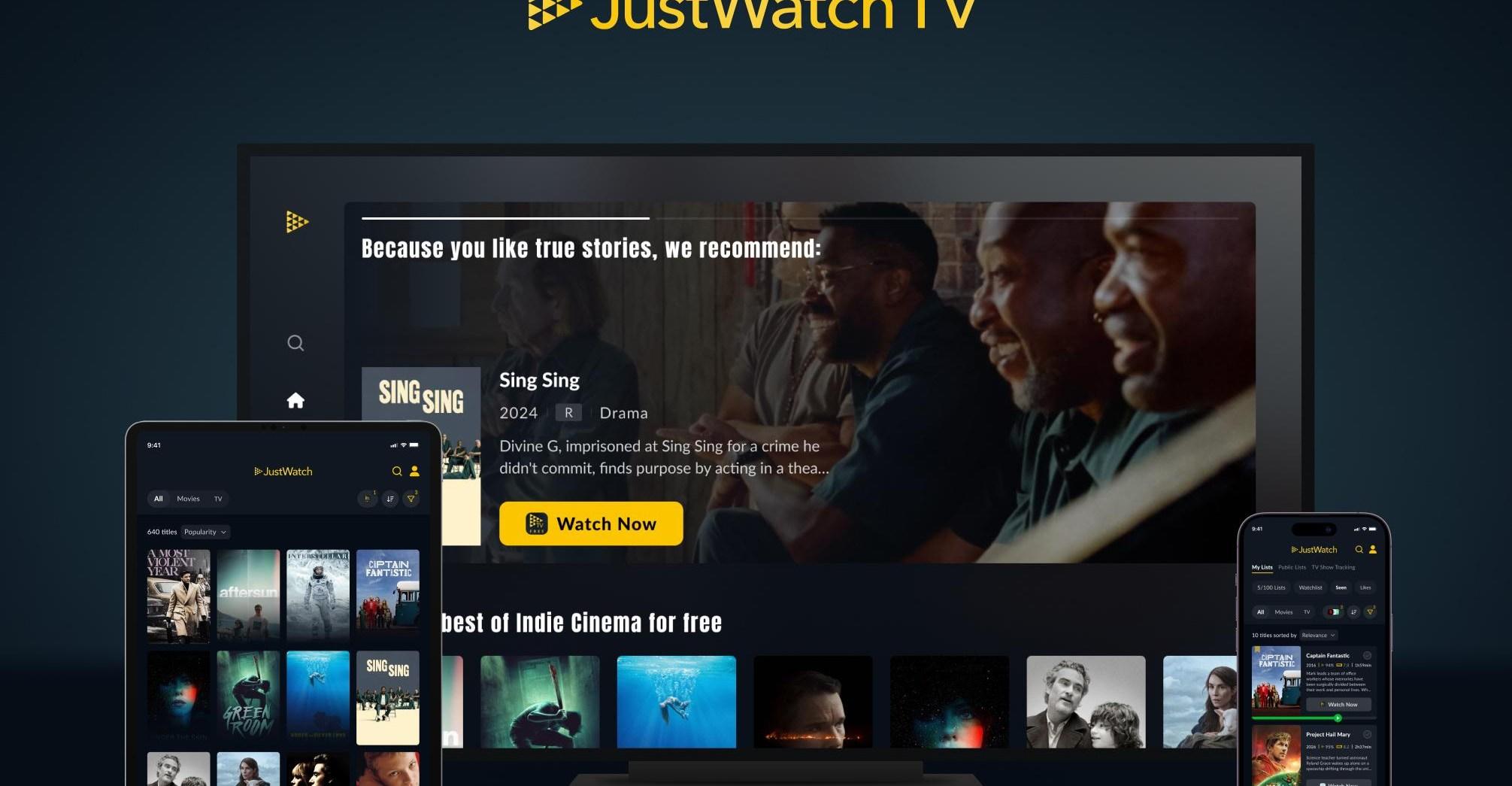
JustWatch now streams TV shows and movies, too
- ایک دن قبل

Colleges can do more to prevent sexual assault. Here’s where to start.
- 21 گھنٹے قبل

FinMin Aurangzeb, WB discuss Pakistan's economic reform agenda
- ایک دن قبل
You May Like



Trending