Coronavirus confirmed cases have been rising steeply since the middle of last year, but the true extent of the first outbreaks in 2020 is unclear because testing was not widely available then.

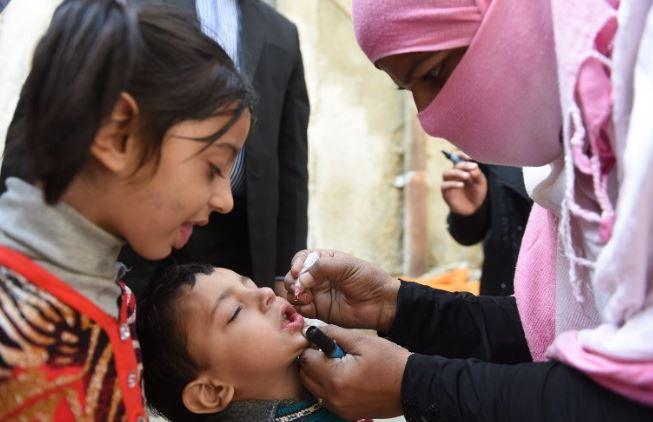
Pakistan has vaccinated 5,439,101 people partially, while 2, 883,959 individuals are fully vaccinated and total 10,696,402 doses of coronavirus jabs have been administered.
Country carried out 13,857,250 coronavirus tests over all after conducting 39,214 in a single day.
Deaths have also been rising, however official figures may not fully reflect the true number in many cities.
The government has started administering vaccine to citizens aged 18 and above.
Registration process:
SMS your 13 digit Computerized National Identity Card (CNIC) no to 1166 from any mobile no or visit nims.nadra.gov.pk
Citizens who are 40 and above can register and just walk-in to nearest center for vaccination.
Scheduled vaccination has been started from 22 May for citizens aged 30-39. Vaccination center and date will be intimated through SMS to registered citizens.
Pakistan is presently experiencing the third wave of coronavirus which is said to be deadlier and more contagious than previous two waves.
According to National Command and Operations Center (NCOC), around 1,019 cases of coronavirus were reported while 34 people succumbed to the disease in the last 24 hours, taking the total death toll to 21,723.
The total number of cases has reached 942,189.
As many as 878,740 patients have recovered from the disease with 2,676 critical cases.
Several coronavirus vaccines have been approved for use, either by individual countries or groups of countries, such as the European Union and the World Health Organization (WHO).
Of the 189 countries and territories administering vaccines and publishing rollout data, 66 are high-income nations, 100 are middle-income and 23 low-income.
Most countries are prioritising the over-60s, health workers and people who are clinically vulnerable.
Some countries have secured more vaccine doses than their populations need, while other lower-income countries are relying on a global plan known as Covax, which is seeking to ensure everyone in the world has access to a vaccine.
With many countries now having started widespread vaccine rollouts, the number of daily cases is stable or falling in most regions.
However, Asia is the notable exception, mostly due to India's recent surge in cases.
Asia was the centre of the initial outbreak that spread from China in early 2020, but the number of cases and deaths were initially lower than in Europe and North America.
The recent surge in cases in India, Nepal and Japan is changing the picture.
India, which has the second-highest number of cases in total after the US, is currently seeing about 300,000 new confirmed cases every day.
The healthcare system is under extreme pressure, with hospitals at full capacity and daily reports of oxygen shortages.

Tongue routs Pakistan as England dominate third Test
- 4 گھنٹے قبل

Apple debuts passport-shaped foldable phone, called Duo
- 20 گھنٹے قبل

Data centers can’t win on Earth. How about in space?
- ایک دن قبل

Your food may be safe. Its packaging is another story.
- 13 گھنٹے قبل

The Jewish Democrats trying to get to “yes” on Abdul El-Sayed
- ایک دن قبل

Algeria severs diplomatic ties with UAE over ‘provocative, hostile’ actions
- ایک گھنٹہ قبل

Trump’s Smithsonian vendetta, briefly explained
- 13 گھنٹے قبل

Why Iowa is a state to watch in the midterms
- 13 گھنٹے قبل

Eight Muslim countries welcome UK ban on goods from illegal Israeli settlements
- 20 گھنٹے قبل
The mystery at the heart of Trump’s trade war
- 13 گھنٹے قبل

Thieves steal Renoir paintings from French Riviera museum
- ایک دن قبل

The strange grief of not wanting kids
- 4 گھنٹے قبل

.jpg&w=3840&q=75)