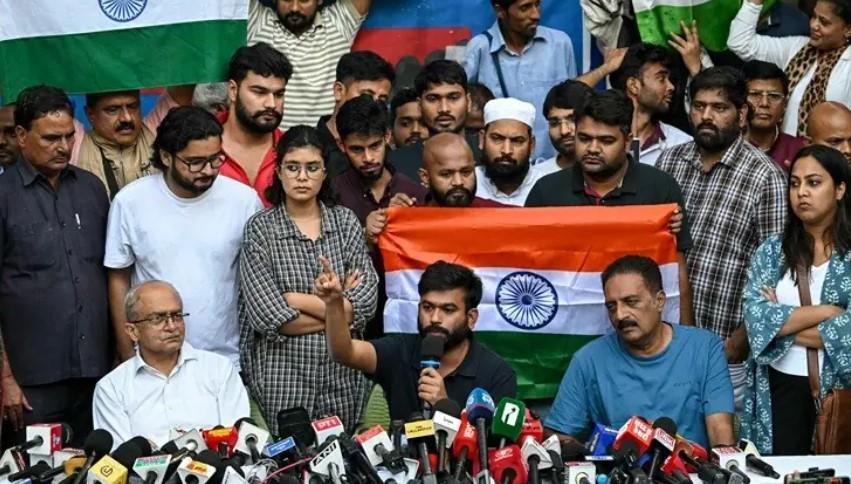
Shahabuddin, 74, widely known as “Chuppu”, was elected by parliament in 2023

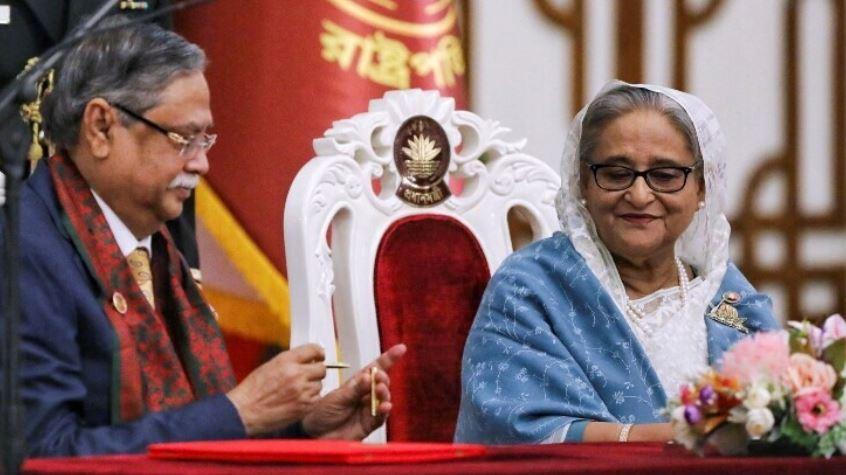
(AFP): Bangladesh’s President Mohammed Shahabuddin faced growing pressure on Monday to quit from leaders of the revolution that toppled autocratic ex-prime minister Sheikh Hasina in August, who argue he was her appointee.
Shahabuddin, 74, widely known as “Chuppu”, was elected by parliament in 2023 by Hasina’s now ousted Awami League, but while the post is largely ceremonial, his potential removal from the role has sparked fears of a constitutional vacuum.
“Any decision regarding the removal of the president will be based on political consensus,” Shafiqul Alam, press advisor to the interim government that replaced Hasina, said on Monday.
The interim government is led by Nobel Peace Prize winner Muhammad Yunus as its “chief adviser”.
Government spokeswoman Syeda Rizwana Hasan, a minister in Yunus’s cabinet, said there is “an ongoing discussion regarding the removal” of Shahabuddin.
“It must be considered whether a government formed after a revolution should retain a president who was selected by a fascist government,” Hasan told reporters on Sunday.
“The demand for his removal stems from claims that he does not align with the spirit of the movement.”
Earlier this month, Shahabuddin sparked furious protests after he said he had never seen a resignation letter from Hasina — raising the prospect her departure was unlawful.
Soon after, Asif Nazrul, a student protest leader now serving in Yunus’s government, charged that the comments were a “violation of his oath of office”.
Last week, police clashed with a crowd of hundreds who tried to storm the presidential compound, leaving 30 officers and protesters injured.
‘Fragile state’
But those pushing for his removal face constitutional hurdles.
To impeach the president requires a two-thirds vote by parliament, with the speaker then assuming the post.
Parliament however was suspended following Hasina’s ouster, meaning the process to remove a president — and who would choose his successor — is open to question.
“If we want to make the most of this uprising, we should not be guided by whims that may create a constitutional vacuum,” Mirza Fakhrul Islam Alamgir, secretary general of the powerful Bangladesh Nationalist Party (BNP) said.
Hasnat Abdullah, convener of Students Against Discrimination, the protest group credited with sparking the uprising against Hasina, demanded a swift decision.
“We don’t want this situation to linger,” he said, claiming only the BNP opposed removing him.
But Mamun Al Mostofa, a professor of political science at the University of Dhaka, warned that challenging the post could lead to wider difficulties.
“Can the people reach a consensus on a candidate? Even if they do, who knows if there will be protests the next day?” Mostafa said.
“The government is in a fragile state, and it is unlikely they could handle such instability. What would follow then? Another cycle of anarchy.”
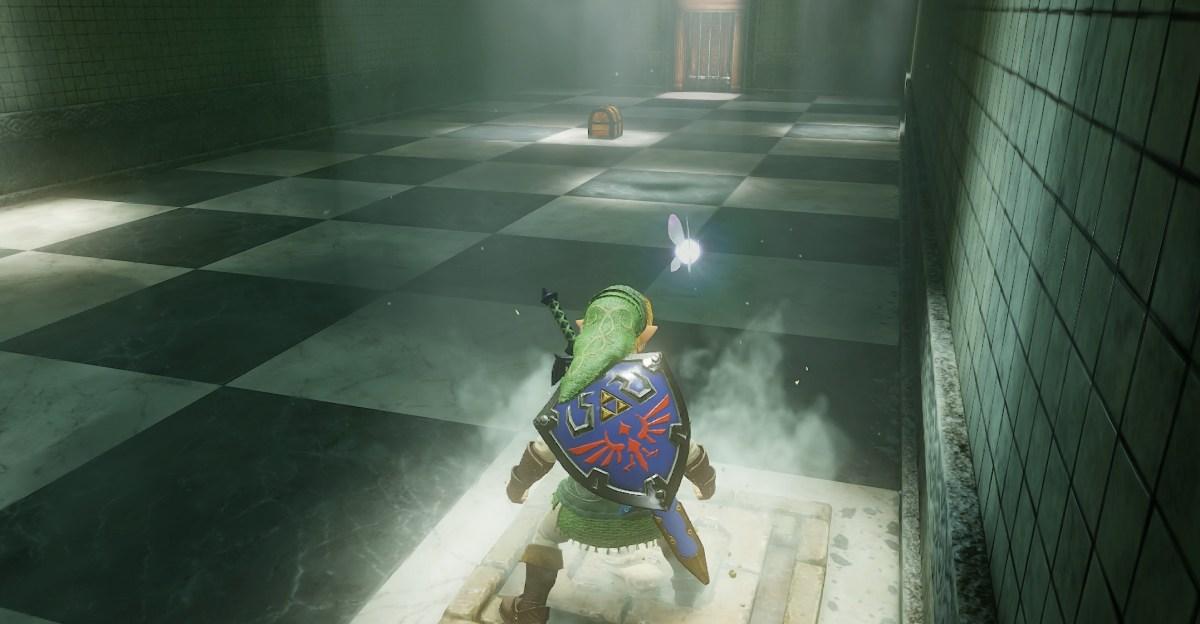
The Ocarina of Time remake feels remarkably modern — and surprisingly terrifying
- 2 دن قبل

Here are all the new HomePod Mini 2 colors
- 2 دن قبل

Hands-on with the Apple Home Collection
- 2 دن قبل

Character.AI files for bankruptcy
- 2 دن قبل
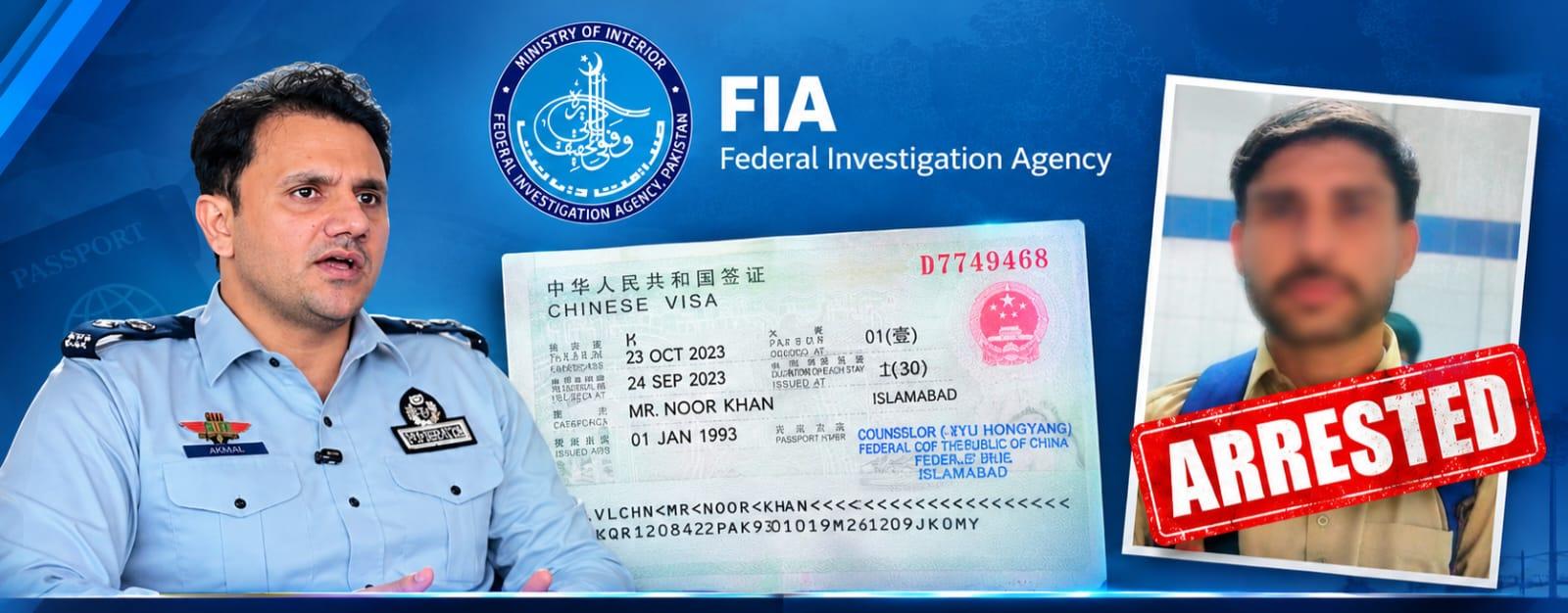
FIA offloads 2 passengers at Lahore airport over fake documents, tampered study visa
- 18 گھنٹے قبل
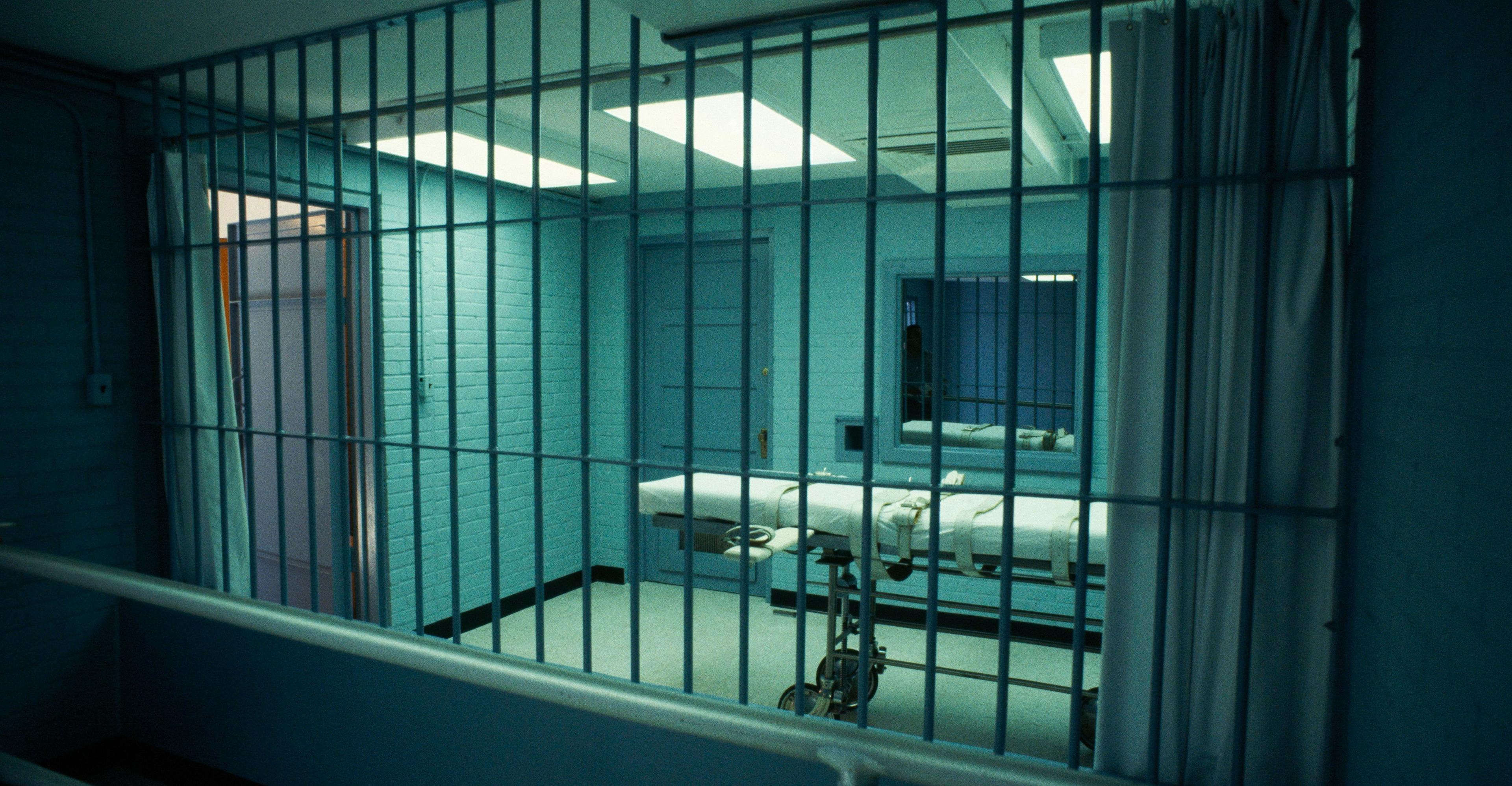
Florida’s uniquely horrifying death penalty system
- 2 دن قبل

Trump’s revenge campaign comes for Ilhan Omar
- 2 دن قبل

West Bank settlers brutally attack a Washington Post journalist
- ایک دن قبل

Jodar apologises for swearing at ball kid in Shanghai
- 3 دن قبل

Buying Apple’s wall-mounted HomeView? The mount costs extra
- 2 دن قبل
Will November stop Trump’s agenda?
- 2 دن قبل
Cold weather and high prices could flip the Senate
- 2 دن قبل