This device can also be beneficial in scenarios such as hypoglycemia during sleep

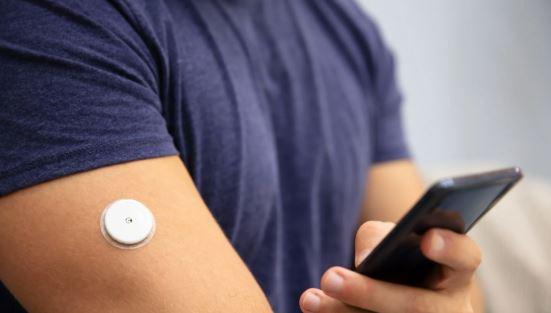
(Web Desk): People with Type 1 Diabetes are constantly at risk of hypoglycemia, or dangerously low blood sugar levels. This condition can be life-threatening and is typically treated by injecting a hormone called glucagon into the body.
For cases where patients are unaware that their blood sugar has dropped to dangerous levels, engineers at MIT have designed an implantable device that can automatically release glucagon in response to a drop in blood sugar levels.
This device can also be beneficial in scenarios such as hypoglycemia during sleep or in diabetic children who are unable to administer injections themselves.
Daniel Anderson, senior author of the study and a professor at MIT, said the goal was to create a device that can continuously protect patients from low blood sugar levels. He believes this device could help many patients and their parents overcome the constant fear of hypoglycemia.
Researchers also noted that the device could potentially be used to deliver emergency doses of epinephrine—a drug commonly used to treat cardiac arrest or severe allergic reactions.

Trump’s “Most EXCLUSIVE DINNER IN THE WORLD”
- 19 hours ago

Bahrain praises professionalism of Pakistan Armed Forces
- 4 hours ago

OpenAI PR tells journalist to ‘move on’ while asking Sam Altman about a ChatGPT user’s suicide
- 21 hours ago

The two athletes in every horse race
- 19 hours ago

Will Trump’s diesel order do anything?
- 10 hours ago

Pakistan, IMF reach staff-level agreement for $1.2bn tranche
- 9 hours ago

Pakistan on frontlines of climate chaos despite minimal emissions: UN chief
- 6 hours ago
The real reason the Russia plague case should scare you
- 19 hours ago

Bollywood actor Nana Patekar passes away at 75
- 10 hours ago

Pakistan, Bahrain to enhance cooperation in diverse sectors
- 6 hours ago
I can’t use Apple’s new Screen Time on my daughter’s iPhone because my son won’t update his MacBook
- 21 hours ago

The Cornell case, explained
- 10 hours ago