Under agreement, price of R21/Matrix-M vaccine will fall to $2.99 per dose within a year – a reduction expected to save up to $90 million

Published 10 months ago on Nov 24th 2025, 4:33 pm
By Web Desk
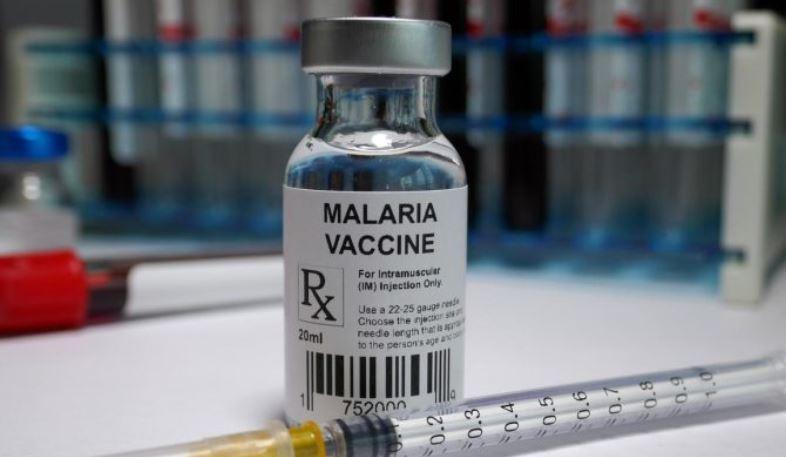
UNITED NATIONS (APP): Vaccine alliance Gavi and UN children’s agency UNICEF have struck a new pricing deal that will sharply cut the cost of a key malaria vaccine and make it possible to protect nearly seven million additional children by 2030, the agencies announced Sunday.
Under the agreement, the price of the R21/Matrix-M vaccine will fall to $2.99 per dose within a year – a reduction expected to save up to $90 million. Those savings should allow countries to secure more than 30 million extra doses over the next five years.
“Today’s announcement is a powerful example of what our Vaccine Alliance does best,” said An Vermeersch, Gavi’s Chief Vaccine Programmes & Markets Officer.
“We are leveraging innovative financing and partnerships to secure affordable vaccines that can better protect children against one of Africa’s biggest killers.”
Malaria remains one of the world’s deadliest infectious diseases. In 2023, it caused an estimated 597,000 deaths, the vast majority among young children in Africa. A child dies from the disease roughly every minute.
“A devastating death toll like this demands action,” said Leila Pakkala, Director of UNICEF’s Supply Division.
“At a time of declining international aid, UNICEF is determined to work with partners to deliver enough vaccines at the best possible price to protect children.”
The new pricing arrangement was enabled by an advance payment through the International Finance Facility for Immunisation (IFFIm), which converts long-term donor pledges into upfront funds. This gives Gavi the ability to act quickly when major market-shaping opportunities emerge.
Ken Lay, Chair of the IFFIm Board, said, “This agreement shows how financial innovation can unlock opportunities that save lives.”
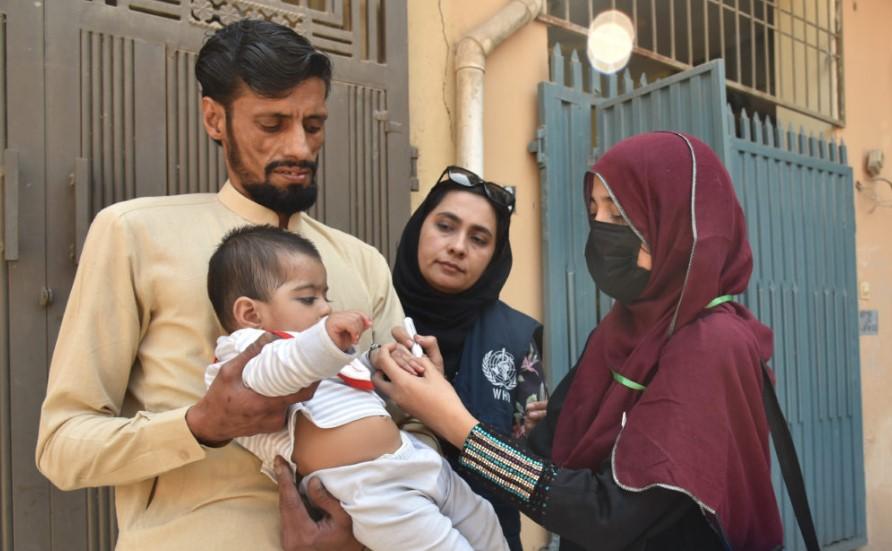
More than 40 million malaria vaccine doses have already been delivered through Gavi-supported programmes, with 24 African countries now integrating malaria vaccination into routine immunization.
Demand is strong: 14 countries introduced the vaccine for the first time last year, and another seven have done so in 2025.
The lower price is expected to help Gavi move closer to its target of fully vaccinating 50 million additional children against malaria by the end of the decade.
Both WHO-recommended malaria vaccines, R21/Matrix-M and RTS,S, have been shown to reduce malaria cases by more than half in the first year after vaccination, with further protection following a booster dose.
For families and health systems already under strain from the disease, the expanded rollout could be transformative. “This is about giving every child a fair chance at protection,” Lay said. “It’s about saving lives now, not years from now.”
The Cornell case, explained
- a day ago
Pakistan, Bahrain to enhance cooperation in diverse sectors
- 19 hours ago
Doxxing Jane Doe
- an hour ago
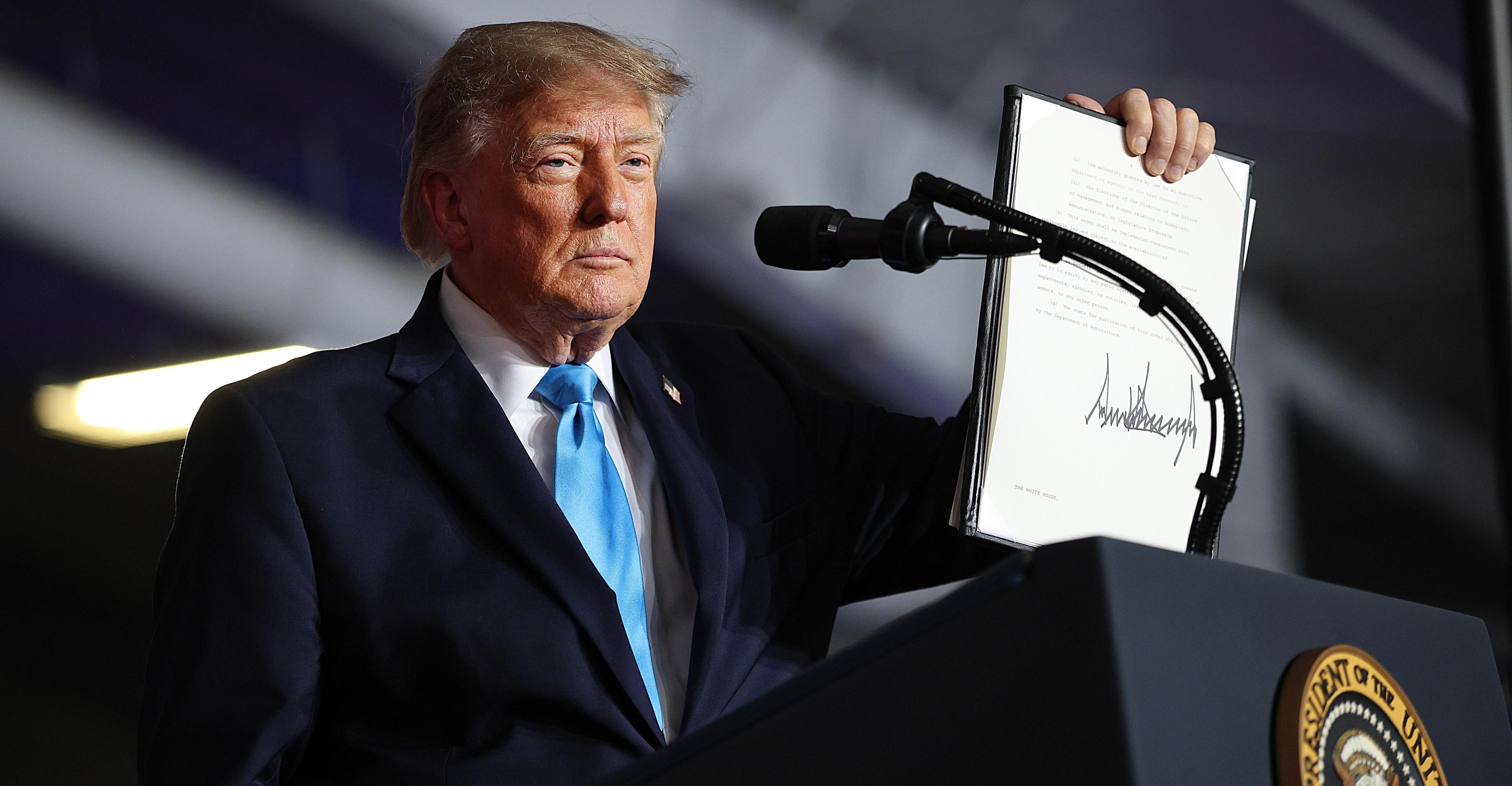
Will Trump’s diesel order do anything?
- a day ago
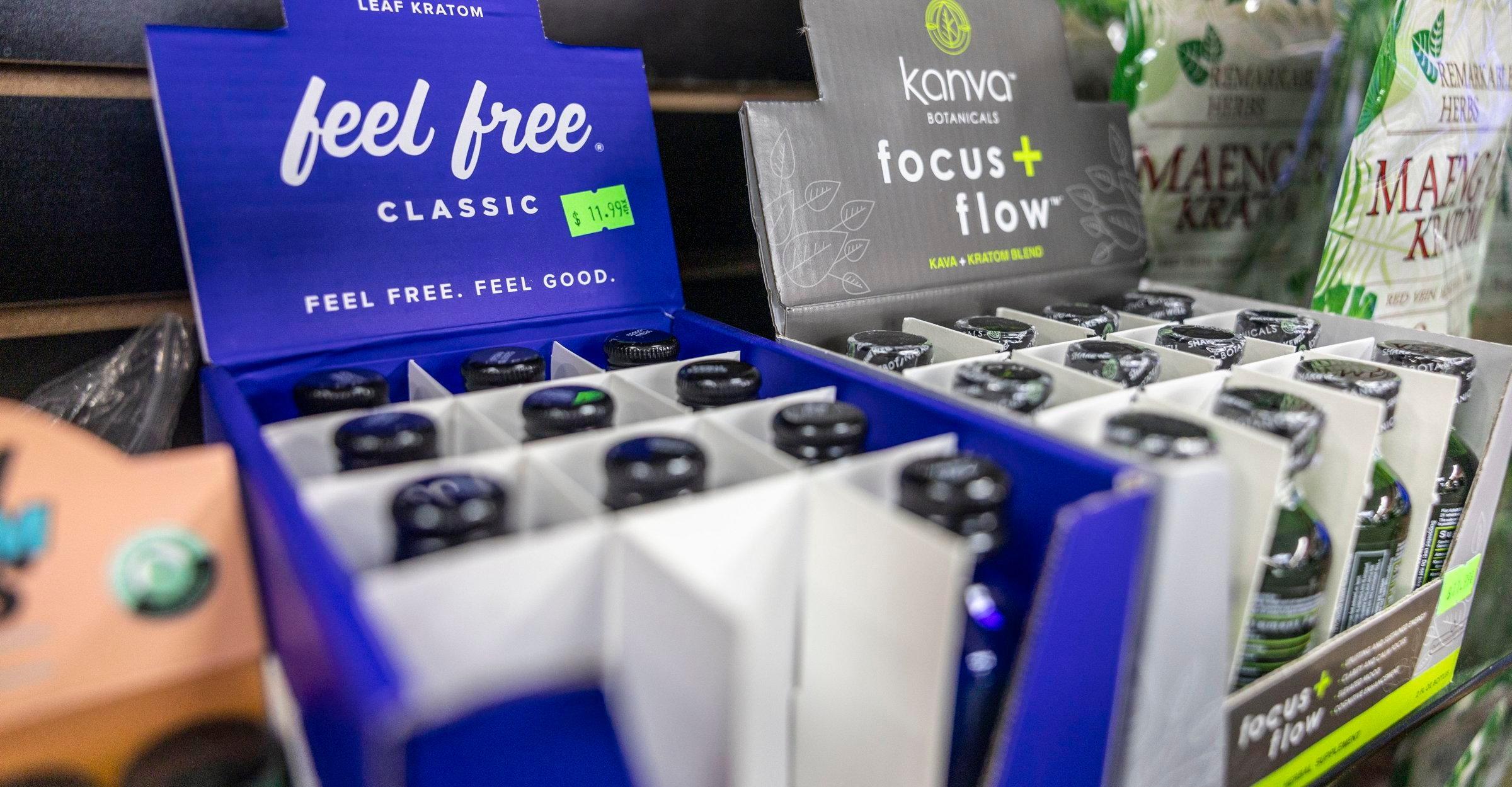
The rise of gas station opioids
- 8 hours ago
Pakistan, IMF reach staff-level agreement for $1.2bn tranche
- a day ago
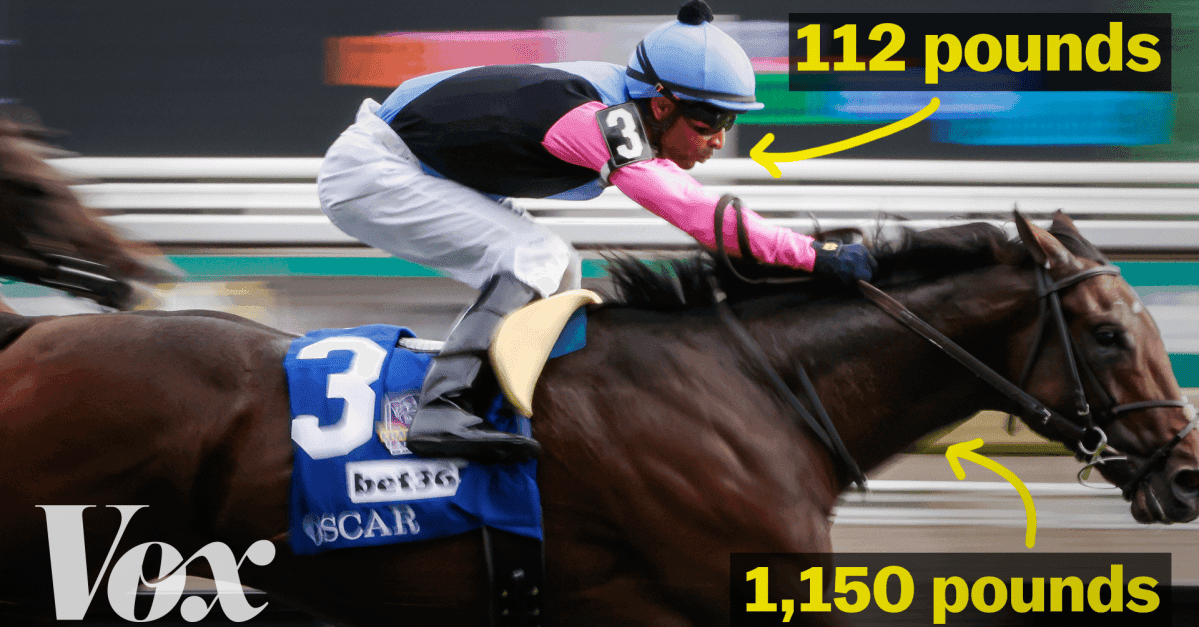
The two athletes in every horse race
- a day ago
The cruelty of a beloved American pastime
- 8 hours ago
Bahrain praises professionalism of Pakistan Armed Forces
- 17 hours ago
How October 7 changed everything
- 8 hours ago
Bollywood actor Nana Patekar passes away at 75
- a day ago
Pakistan on frontlines of climate chaos despite minimal emissions: UN chief
- 19 hours ago
You May Like

Trending