More than 40 people had sought reimbursement after they said they had developed a serious eye condition as a result of using one of drugs, both made by Novo Nordisk

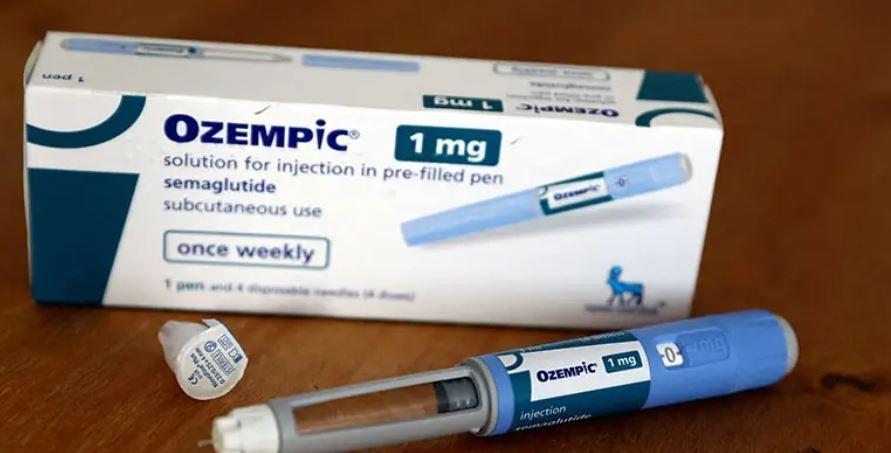
(AFP): Four people in Denmark who developed serious eye conditions after using popular weight-loss and diabetes drugs Wegovy and Ozempic are entitled to compensation, an independent body ruled on Friday.
More than 40 people had sought reimbursement after they said they had developed a serious eye condition as a result of using one of the drugs, both made by Novo Nordisk, according to the Danish Patient Compensation Association.
The condition, NAION (non-arteritic anterior ischemic optic neuropathy), is a lack of blood supply to the optic nerve, which can lead to a loss of vision.
The association said that it had ruled on five cases so far, and found four people who merited compensation.“It’s unfortunate for the patients who have been affected by the side effect. NAION is a serious condition that causes permanent and incurable damage to vision,” the association’s director, Karen-Inger Bast, said in a statement.
Bast added that the cases were difficult to assess, given that it was a new medicine and the patients were already at increased risk of developing NAION.
In total, the four patients would receive 800,000 kroner ($123,000), but the association noted that the amount could increase depending on the impact the condition could have on their lives going forward, for instance, if it affects their ability to work.
Medical compensation in Denmark is generally paid out by health authorities.
Last year, the Danish Medicines Agency asked a European medical watchdog to review a Danish study that showed a link between semaglutide — the active ingredient in Ozempic and Wegovy — and NAION.
In June, that watchdog — the PRAC (Pharmacovigilance Risk Assessment Committee) — concluded that NAION was a “very rare” side effect of semaglutide, affecting up to 1 in 10,000 users.
Novo Nordisk said it had reviewed the decision by the Danish Patient Compensation. In a statement sent to AFP, the drugmaker noted that following PRAC’s findings, patient leaflets for all semaglutide products had been updated to include NAION as a “very rare” reaction to the drugs.
But it said the “benefit-risk profile of semaglutide remains favourable”.
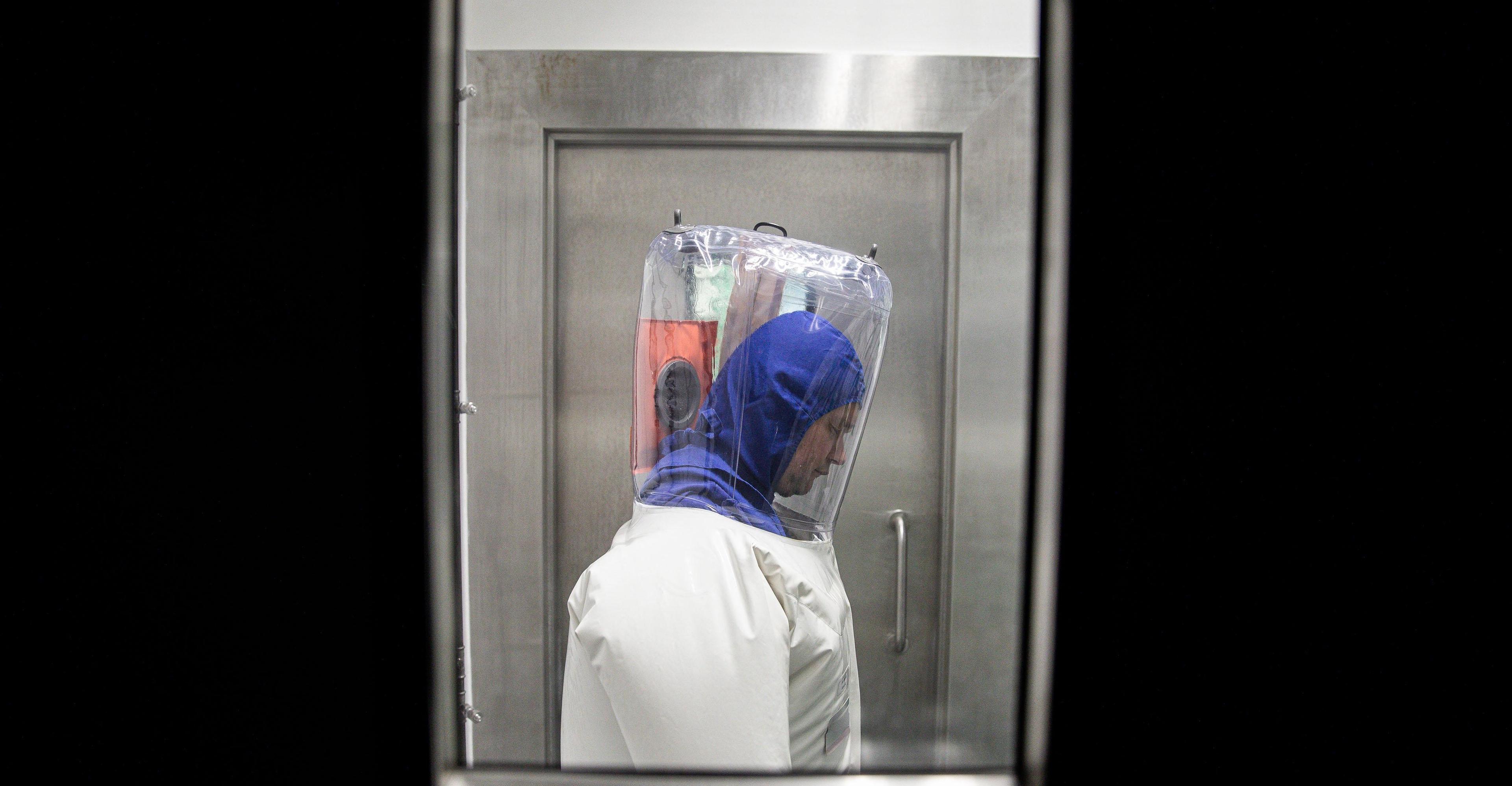
The real reason the Russia plague case should scare you
- 13 hours ago

Pakistan on frontlines of climate chaos despite minimal emissions: UN chief
- 27 minutes ago

Pakistan, IMF reach staff-level agreement for $1.2bn tranche
- 4 hours ago

Trump’s “Most EXCLUSIVE DINNER IN THE WORLD”
- 13 hours ago

The Cornell case, explained
- 4 hours ago

Bollywood actor Nana Patekar passes away at 75
- 4 hours ago
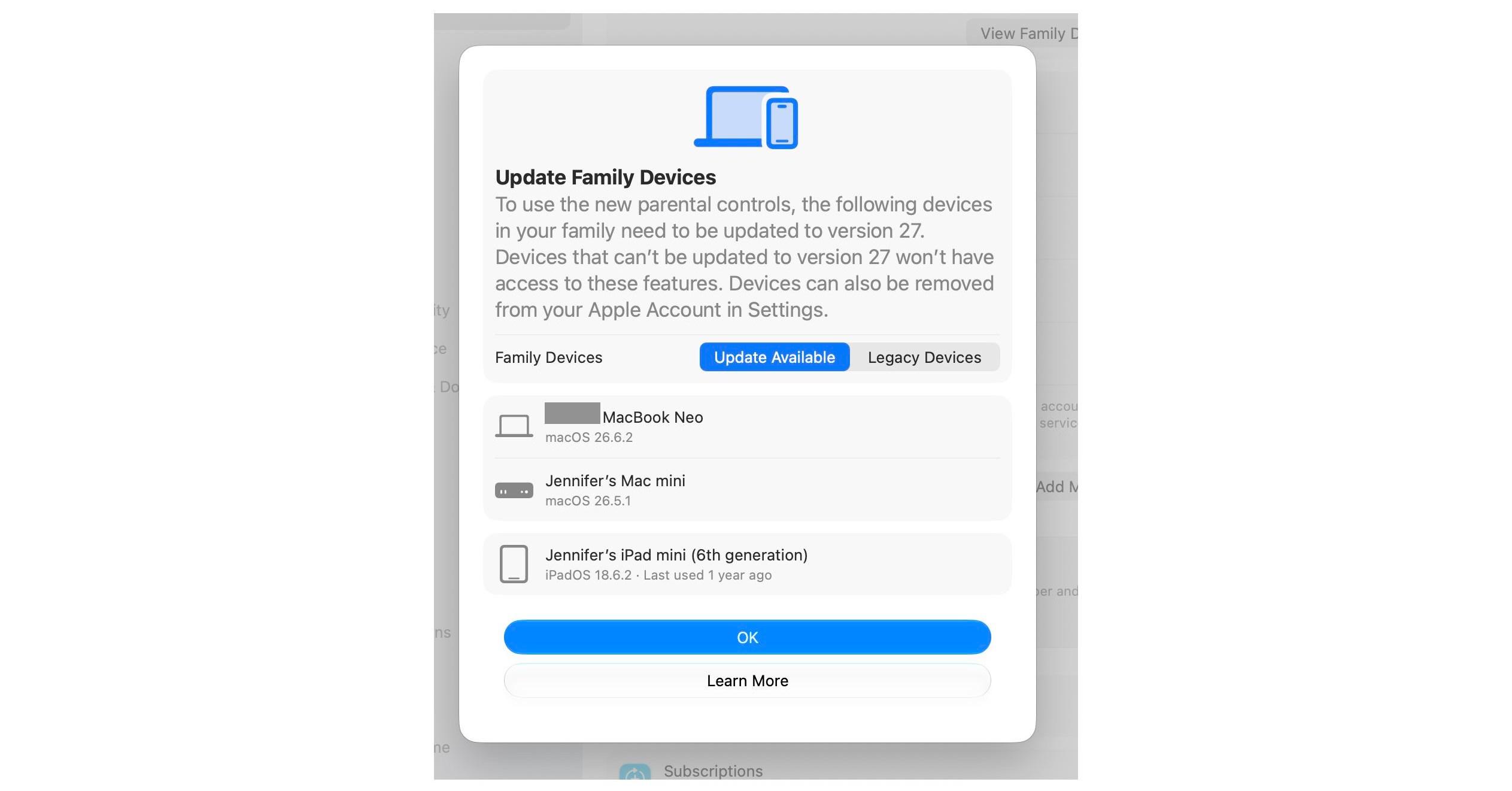
I can’t use Apple’s new Screen Time on my daughter’s iPhone because my son won’t update his MacBook
- 15 hours ago

The two athletes in every horse race
- 13 hours ago

OpenAI PR tells journalist to ‘move on’ while asking Sam Altman about a ChatGPT user’s suicide
- 15 hours ago
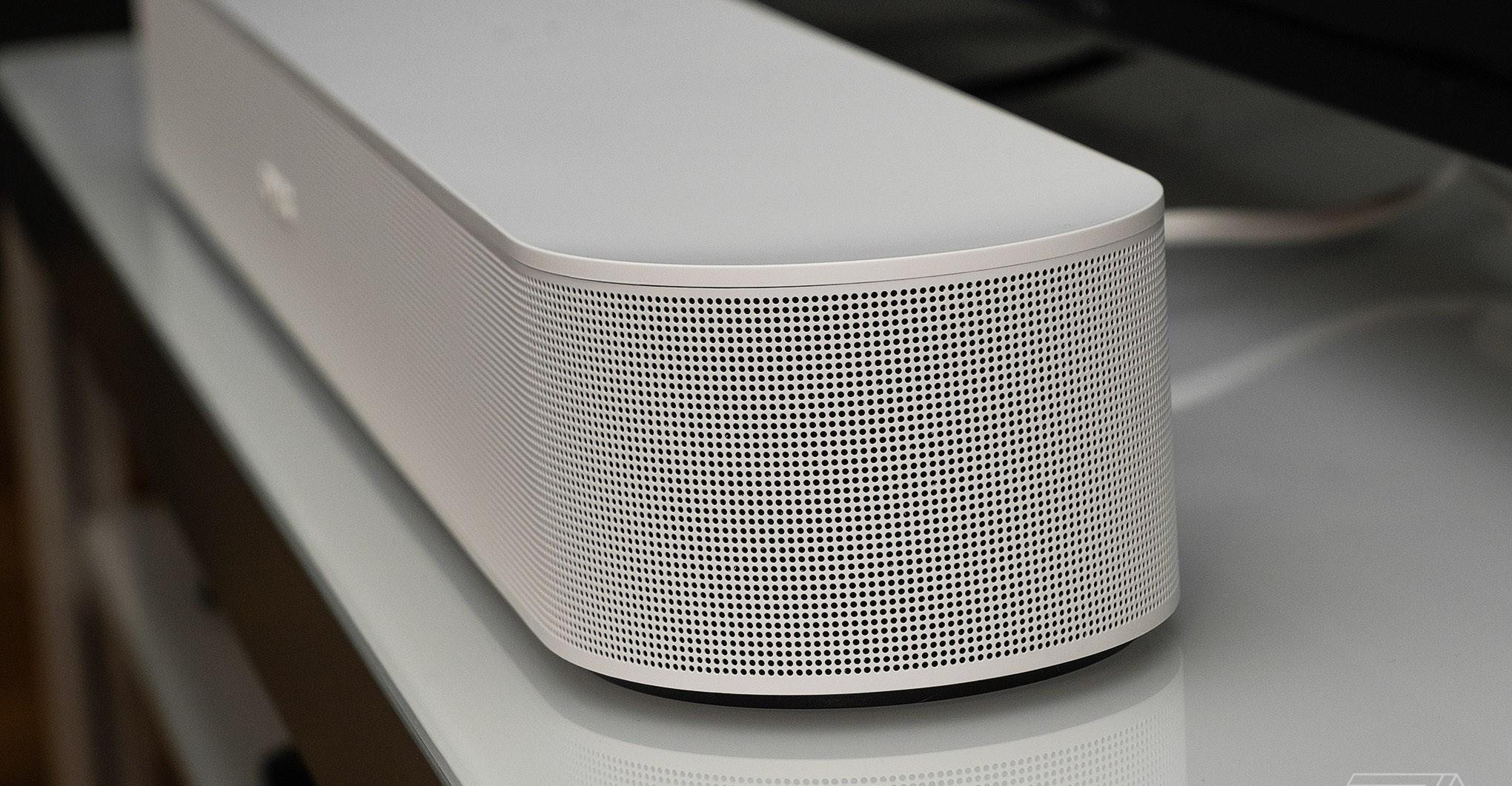
The Sonos Beam 2 soundbar is $140 off
- 15 hours ago

Pakistan, Bahrain to enhance cooperation in diverse sectors
- 31 minutes ago

Will Trump’s diesel order do anything?
- 4 hours ago