
Technology
- Home
- Technology
- News
Astronomers used AI to find 1,400 ‘anomalous objects’ from Hubble archives
A pair of astronomers at the European Space Agency (ESA) discovered more than 800 previously undocumented "astrophysical anomalies" hiding in Hubble's archives. To do so, researchers David O'Ryan and Pablo Gómez trained an AI model to comb through Hubble's 35…

Published 8 months ago on Feb 1st 2026, 5:00 am
By Web Desk
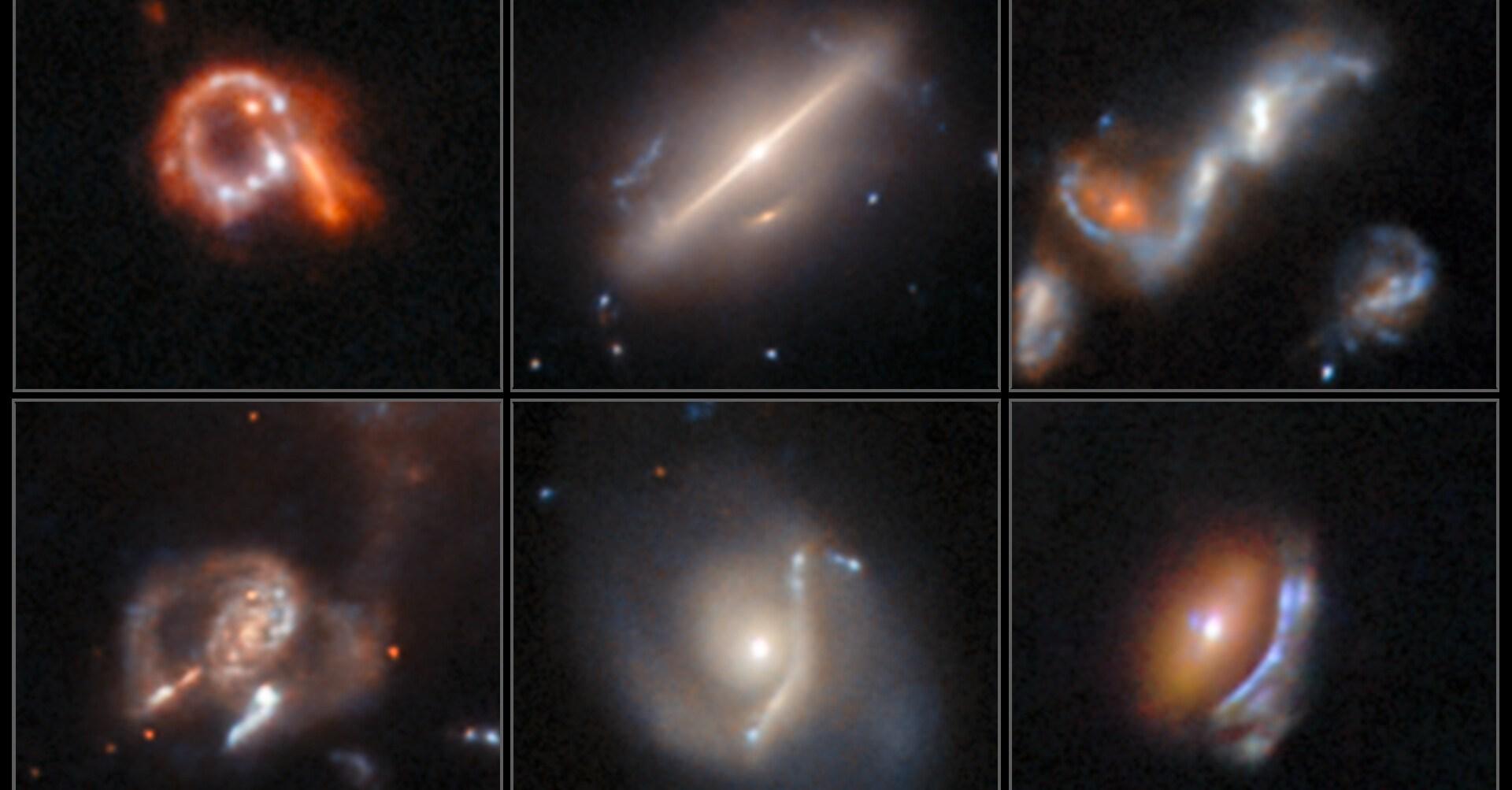
A pair of astronomers at the European Space Agency (ESA) discovered more than 800 previously undocumented “astrophysical anomalies” hiding in Hubble’s archives. To do so, researchers David O’Ryan and Pablo Gómez trained an AI model to comb through Hubble’s 35-year dataset, hunting for strange objects and flagging them for manual review. It’s “a treasure trove of data in which astrophysical anomalies might be found,” O’Ryan said in a statement.
Studying space is hard. There’s lots of it, it’s noisy, and the flood of data generated by tools like the Hubble Space Telescope can overwhelm even large research teams. And sometimes space is weird. Very weird. Enter AI, which is great at sifting through massive amounts of information to spot patterns—flagging the oddities astronomers might otherwise miss.
The model used by the astronomers, dubbed AnomalyMatch, scanned nearly 100 million image cutouts from the Hubble Legacy Archive, the first time the dataset has been systematically searched for anomalies. Think weirdly shaped galaxies, light warped by the gravity of massive objects, or planet-forming discs seen edge-on. AnomalyMatch took just two and a half days to go through the dataset, far faster than if a human research team had attempted the task.
The findings, published in the journal Astronomy & Astrophysics, revealed nearly 1,400 “anomalous objects,” most of which were galaxies merging or interacting. Other anomalies included gravitational lenses (light warped into circles or arcs by massive objects in front of them), jellyfish galaxies (which have dangling “tentacles” of gas), and galaxies with large clumps of stars. “Perhaps most intriguing of all, there were several dozen objects that defied classification altogether,” said ESA in a blog post.
“This is a fantastic use of AI to maximise the scientific output of the Hubble archive,” said Gómez. “Finding so many anomalous objects in Hubble data, where you might expect many to have already been found, is a great result. It also shows how useful this tool will be for other large datasets.”

Four killed as Rehman Baba Express train derails near Multan
- 8 hours ago

Apple and LG leak shows new ‘tap to control’ HomeKit features
- 20 hours ago

Your kid wants to go vegan. Should you let them?
- 18 hours ago

The director of Fjord takes the ‘risky position’ of moderator
- 20 hours ago

Saudi-led coalition orders evacuation of Yemen oil facility in Sanaa ahead of operation
- 4 hours ago

Funeral prayers of two martyred officers of Mushshak crash offered at Chaklala Garrison
- 6 hours ago

Closure of Riyadh airport extended after deadly Houthi strike
- a day ago

Why the right turned on Indian Americans
- 18 hours ago

The man who will likely be the next House speaker, explained
- 18 hours ago

Apple to unveil new smart home products, showcasing updated Siri AI
- 8 hours ago

A week with Googlebooks: four notes from our testing so far
- 20 hours ago
Pakistan Army conducts successful test launch of hypersonic Fatah-2 extended range missile: ISPR
- 7 hours ago
You May Like



Trending