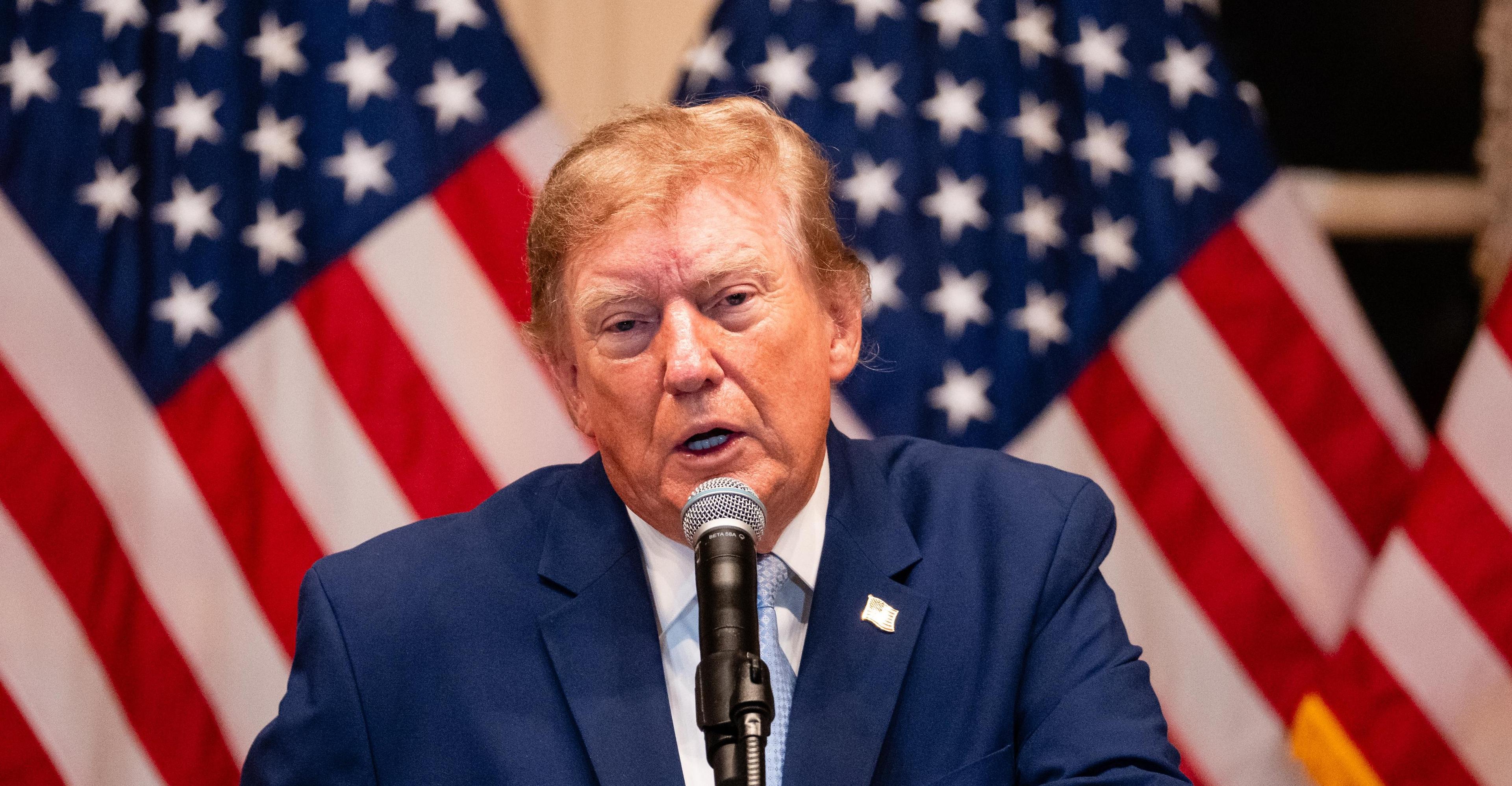
Punjab aircraft controversy should be viewed through facts and policy lens: Analysts
Authorities say replacement of old aircraft is based on safety, efficiency and future investment considerations rather than politics.


Lahore: Amid ongoing debate over the aircraft of the Government of Punjab, officials and aviation experts have urged that the matter be viewed through a practical and professional lens rather than political rhetoric.
According to sources, the possession and operation of official aircraft by provincial governments in Pakistan is not a new development. Such assets have historically been maintained to facilitate official travel, emergency response, inter-provincial coordination, and the efficient conduct of state affairs.
Officials state that the current aircraft under use had become old and increasingly unsafe, necessitating its replacement. Aviation experts note that while older aircraft may appear comparatively cheaper at the time of purchase, they typically have a shorter operational lifespan, higher maintenance costs, longer grounding periods, and significantly lower resale value.
By contrast, a newly acquired aircraft is described as a long-term strategic investment. Experts argue that modern aircraft can remain in service for 30 to 40 years, offering lower maintenance costs over their operational life and retaining stronger resale value. They emphasize that the aircraft is not for personal use by any individual, but rather an institutional asset that will serve successive provincial chief executives.
Sources further suggest that such assets can partially offset their own costs. The sale of the replaced aircraft, collateral value, and potential corporate or charter utilization often referred to as the “Air Punjab model”—could help minimize financial burden by ensuring reduced grounding time and increased operational use.
Analysts conclude that before labeling every government procurement as controversial, it is important to assess whether the decision strengthens long-term efficiency, safety, and administrative capacity. If so, they argue, it should be evaluated as policy rather than politics.

Agha back but no Rizwan for Pakistan following England debacle
- 16 hours ago
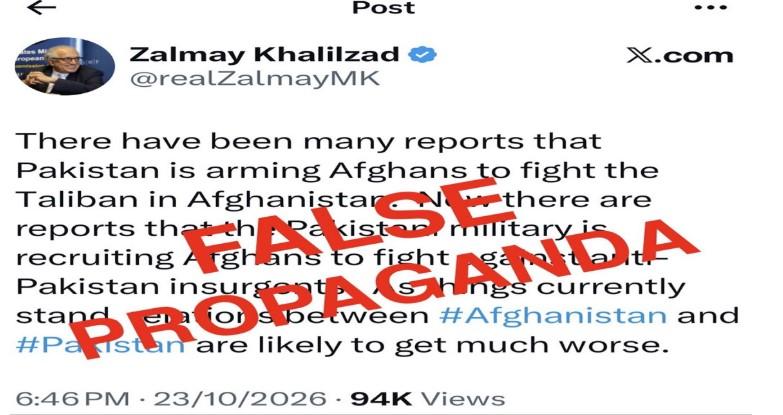
Pakistan rejects Khalilzad's allegations of arming Afghans
- a day ago

Xbox Cloud Gaming’s pay-as-you-go option starts at $3.99 for 10 hours
- a day ago

Colleges can do more to prevent sexual assault. Here’s where to start.
- a day ago

SpaceX will try catching Starship and its booster for first time, Musk says
- a day ago

How to ban gerrymandering when the Supreme Court is stacked against you
- a day ago
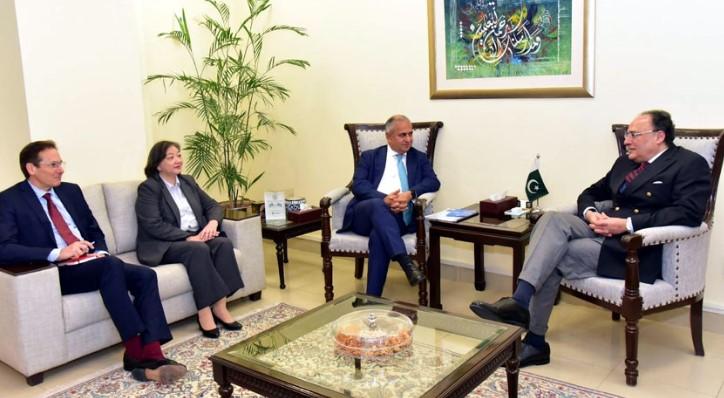
FinMin Aurangzeb, WB discuss Pakistan's economic reform agenda
- 2 days ago

PM Shehbaz sets illustrative wheat price at Rs4,500 per 40kg for 2027
- 2 days ago

Trump is trying to overturn an election that hasn’t happened yet
- 6 hours ago

JustWatch now streams TV shows and movies, too
- a day ago
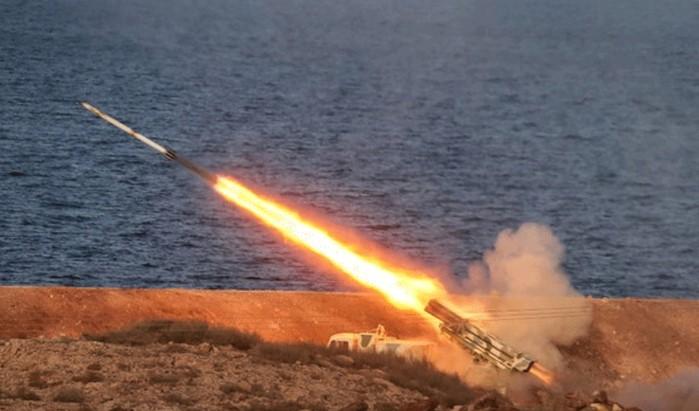
Saudi forces say intercepted two Houthi missiles targeting Yanbu, Taif
- 21 hours ago

Should you let a chatbot manage your money?
- 6 hours ago