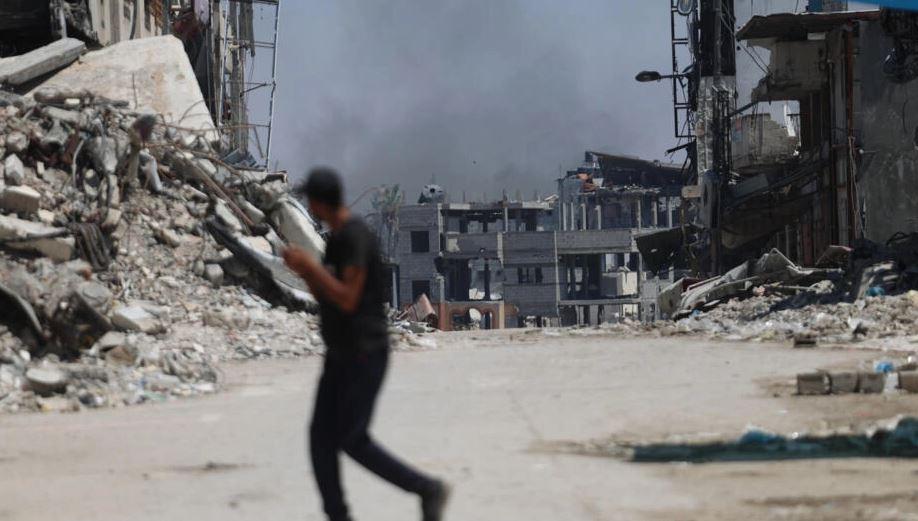
'Unfair vaccine distribution': IMF warns pandemic darkening prospects in developing nations
The International Monetary Fund (IMF) has issued warning that the ongoing hit from the Covid-19 pandemic and the failure to distribute vaccines worldwide is worsening the economic divide and darkening prospects for developing countries.

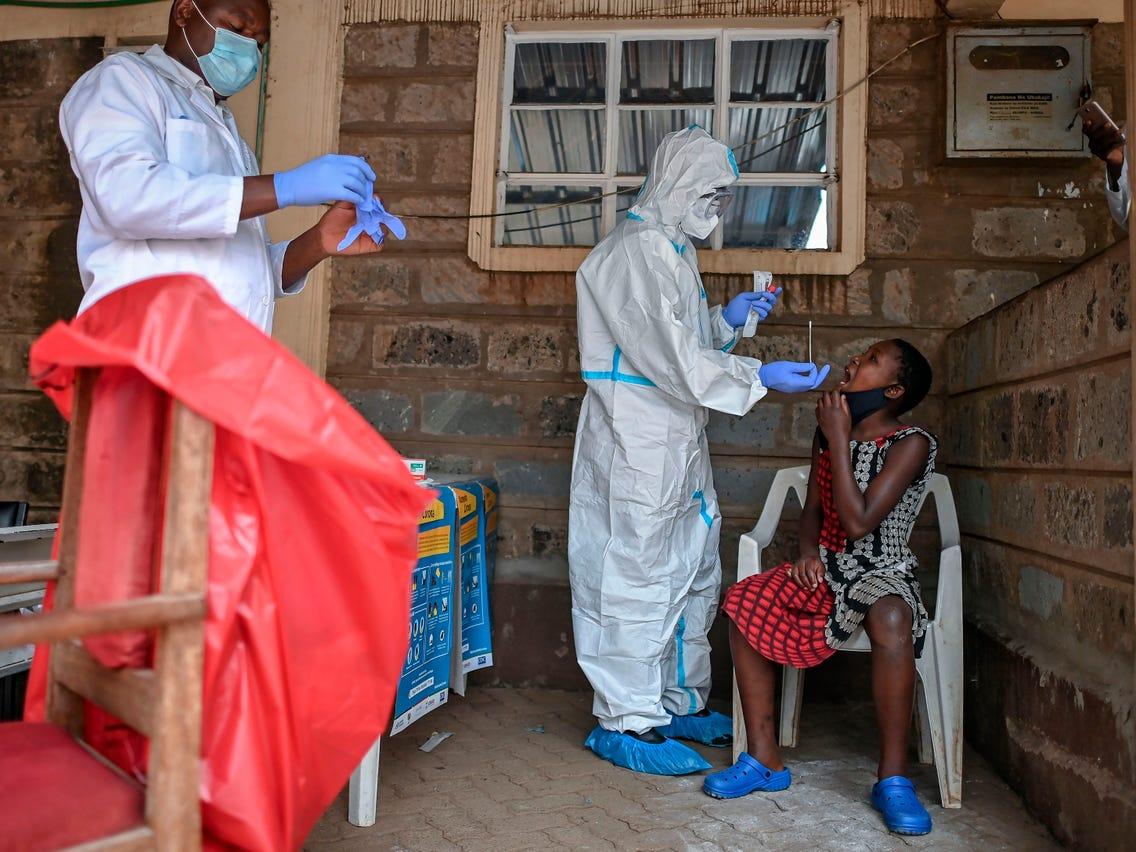
Global economic growth this year and next is expected to continue as the recovery solidifies broadly, but the overall figures mask large downgrades and ongoing struggles for some countries.
"The outlook for the low-income developing country group has darkened considerably due to worsening pandemic dynamics," IMF chief economist Gita Gopinath said.
The setbacks, which she blamed on the "great vaccine divide," will impact the restoration of living standards, and a prolonged pandemic downturn "could reduce global GDP by a cumulative $5.3 trillion over the next five years," she warned.
Meanwhile, advanced economies face "more difficult near-term prospects... in part due to supply disruptions."
That threatens to drive prices higher, especially in the United States, where growth this year will be slower than previously anticipated, even taking into consideration massive spending bills, according to the International Monetary Fund's latest World Economic Outlook.
Output worldwide is expected to grow 5.9 percent this year, only slightly lower that projected in July, before slowing to 4.9 percent in 2022, the report said.

But the wave of infections from the Delta variant of Covid-19 and the drastically lower vaccination rate in developing nations, along with supply bottlenecks, have slowed or pushed back the recovery in many economies.
"The dangerous divergence in economic prospects across countries remains a major concern," Gopinath said in a blog post on the new forecasts.
Advanced economies are expected to regain "pre-pandemic trend path in 2022 and exceed it by 0.9 percent in 2024," she said.
However, in emerging market and developing economies, excluding China, output "is expected to remain 5.5 percent below the pre-pandemic forecast in 2024."
Amid the danger of long-term scarring, "The foremost policy priority is therefore to vaccinate at least 40 percent of the population in every country by end-2021 and 70 percent by mid-2022," she said.
- Delicate US balancing act -
The world's largest economy has benefitted from massive fiscal stimulus, but the Delta wave has undermined progress, and the IMF slashed the US growth forecast for this year to six percent, a full percentage point off the July figure.
US growth is expected to slow to 5.2 percent next year, slightly faster than previously expected, but policymakers will face a delicate balancing act amid risks of rising inflation and lagging employment, the fund noted.
Production was slow to rebound once the recovery began, creating bottlenecks, notably in semiconductors, and pushing prices higher, while wages also threaten to rise as employers compete for scarce workers.
Gopinath told reporters that while inflation is expected to return to "more normal levels" by mid-2022 in most countries, it could take longer in the United States.
But "There is tremendous uncertainty, we have never seen a recovery of this kind," she said, noting the labor shortages plaguing employers even amid high unemployment, and supply unable to meet demand.
The fund is keeping a close eye on US wage increases, which so far have been concentrated in a limited number of industries, as well as rising housing prices.
US consumer prices rose 4.3 percent annually in August, more than double the Federal Reserve's two percent goal.
If higher inflation becomes entrenched, it could force central banks to respond aggressively, and higher interest rates would slow the recovery, the IMF cautioned.
"Monetary policy will need to walk a fine line between tackling inflation and financial risks and supporting the economic recovery," the report said.
The IMF endorsed the Federal Reserve's stated intention to start to pull back on stimulus by the end of the year and prepare to lift interest rates in 2022.
But higher US interest rates will have spillover effects for other countries, which will see borrowing costs rise.
SOURCE: AFP
How did the Cornell rape case go so wrong?
- 2 days ago

US withdraws all bomber aircraft from UK airbase used during Iran war
- 13 hours ago
OpenAI won’t go public until its models are safe
- 5 hours ago

Medvedev disqualified from China Open semi after hitting ball into crowd
- 13 hours ago
UN Secretary-General Guterres to arrive in Pakistan tomorrow
- 18 hours ago

Pakistan's delegation to attend Makkah defence committee meeting in Riyadh today
- 19 hours ago
ROMO OUT AT CBS AFTER DUI...
- 2 days ago

Gold prices plummet in Pakistan, global markets
- 3 days ago

The Sonos Ace Ultra are the headphones Sonos should have made the first time
- 5 hours ago

Apple’s ‘HomePad’ will reportedly launch on October 13th
- 5 hours ago

The best early October Prime Day deals happening now
- 5 hours ago

What color is a tennis ball?
- 3 hours ago