Alliance comprises Pakistan, Algeria, Argentina, Bolivia, Brazil, Cambodia. Ecuador, Egypt, Fiji, Georgia, Indonesia, Kazakhstan, Kyrgyz Republic, Lebanon, Moldova, Mongolia, Myanmar, North Macedonia, Nepal, Paraguay, Philippines, Serbia, Sri Lanka, Thailand, Tunisia, Ukraine and Yemen.

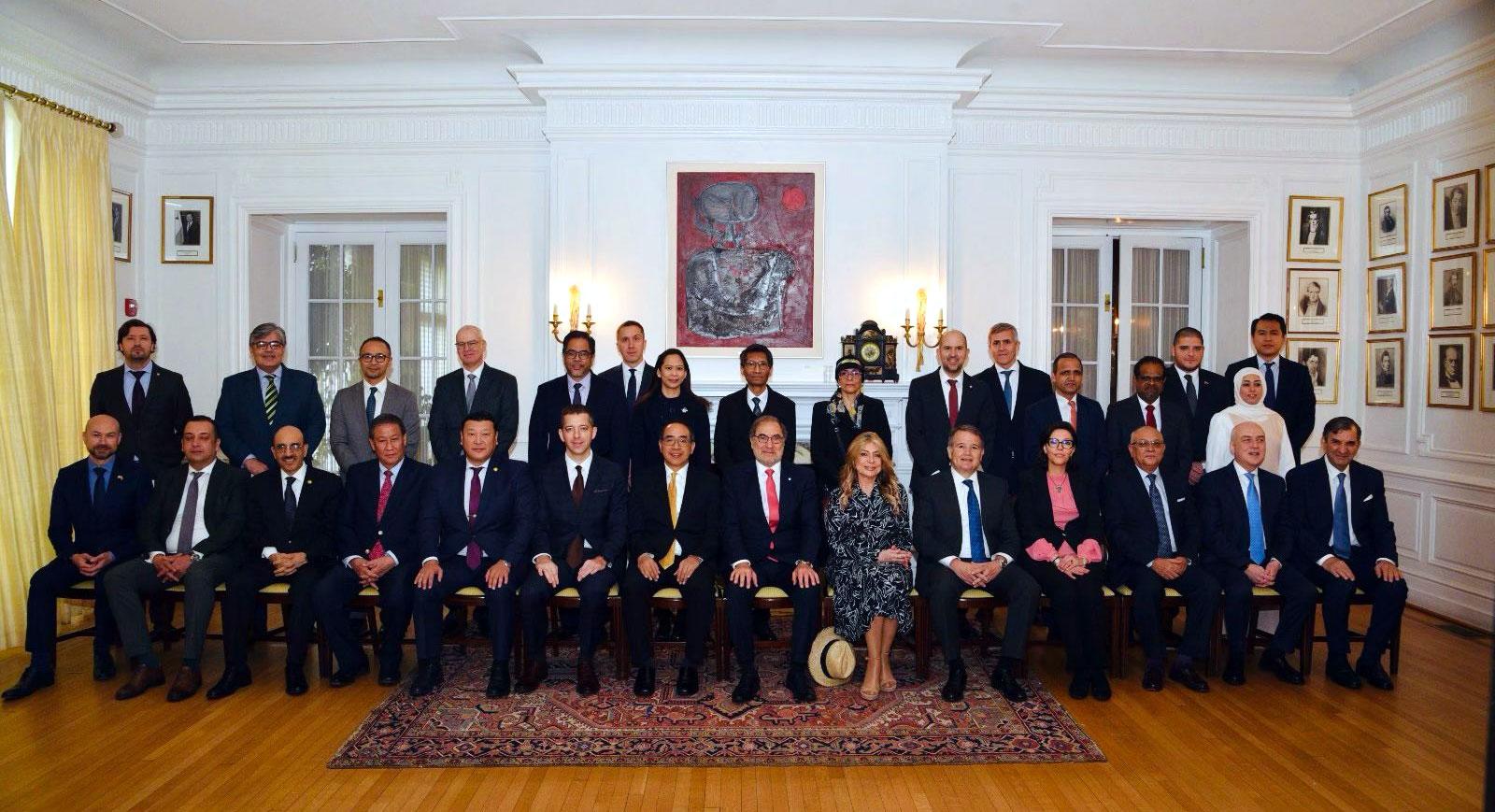
Washington: Alliance of GSP countries on Monday called upon the US Senate and the House of Representatives for their bipartisan support to expedite legislation for renewal of GSP Program for developing and the least developed countries.
The 27-nation alliance stated this in a letter written to the Chair and Ranking Members of leading legislative committees of the US Congress, including Foreign Affairs Committee of the Senate, Committee of Foreign Relations of House of Representatives, Senate Committee of Finance and the Committee on Ways and Means of the House of Representatives.
Pakistan’s Ambassador to the United States Masood Khan co-signed the letter along with other 26 ambassadors.
Pakistan is an active member of the Alliance, and other countries of the Alliance include Algeria, Argentina, Bolivia, Brazil, Cambodia. Ecuador, Egypt, Fiji, Georgia, Indonesia, Kazakhstan, Kyrgyz Republic, Lebanon, Moldova, Mongolia, Myanmar, North Macedonia, Nepal, Paraguay, Philippines, Serbia, Sri Lanka, Thailand, Tunisia, Ukraine and Yemen.
The meeting of the Alliance was hosted by Ambassador Jorge Argüello of Argentina and chaired by the Ambassador of Thailand. Ambassador Masood Khan, accompanied by Minister (Trade) Azmat Mahmood, attended the meeting.
Briefing about the initiative, Pakistan’s Ambassador to the United States Masood Khan said that renewal of US GSP Program is critical to enhanced market access for the developing countries in the United States. He said the Program is a conduit to ensuring robust ties with the United States bearing hallmark of strong economic sinews and currency.
Masood Khan highlighted that COVID-19 and war on Ukraine impacted supply chains and resulted in food and energy shortages and consequent hyper-inflation. He said the renewal of the Program will help in spurring growth in multiple sectors of economy and thus lesson the severity of ongoing challenges.
The Ambassador said after devastating floods in Pakistan last year and the vast destruction of cropland, Pakistan us hoping that the United States will increase market access for its textiles and other products whose trade was directly dependent on agriculture. He said that many other climate vulnerable countries were also facing similar challenges because of food and energy hyper-inflation which provided compelling justification for revival of the GSP Program.
Masood Khan said that the revival of the GPS Program will help Pakistan and the United States to realize huge existing trade potential which has remained untapped so far.
It is pertinent to mention that the GSP Program, authorized by the Trade Act of 1974, came into effect on January 1, 1976 and had been providing preferential duty-free entry to 5,000 products from 119 beneficiary developing countries (BDCs) and 44 least developed beneficiary developing countries (LDBCDs) into the U.S. market. Legal authorization for the GSP program expired on December 01, 2020.
Pakistan Customs foils smuggling attempt at Islamabad Airport, seizes contraband worth Rs660mn
- 13 hours ago
China, US agree to $30bn tariff cut, AI dialogue during Xi visit
- 16 hours ago
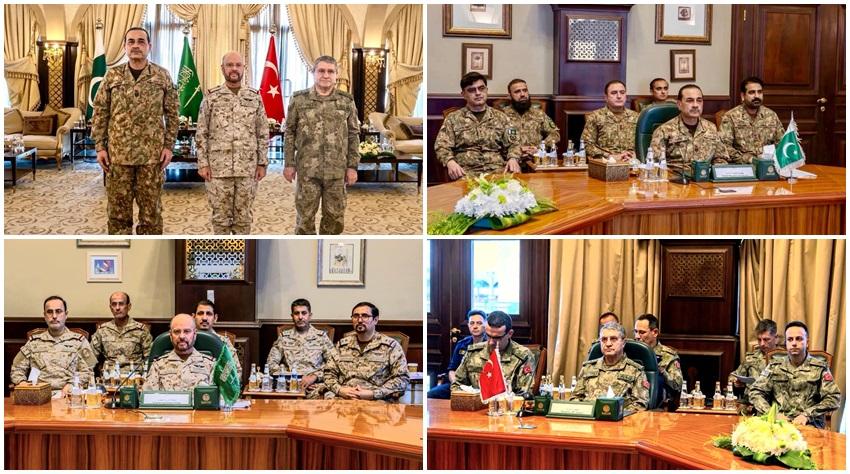
Pakistani, Saudi, Turkish military chiefs discuss ways to back KSA under Makkah defence pact
- a day ago

Security forces kill 33 terrorists in Balochistan: ISPR
- a day ago
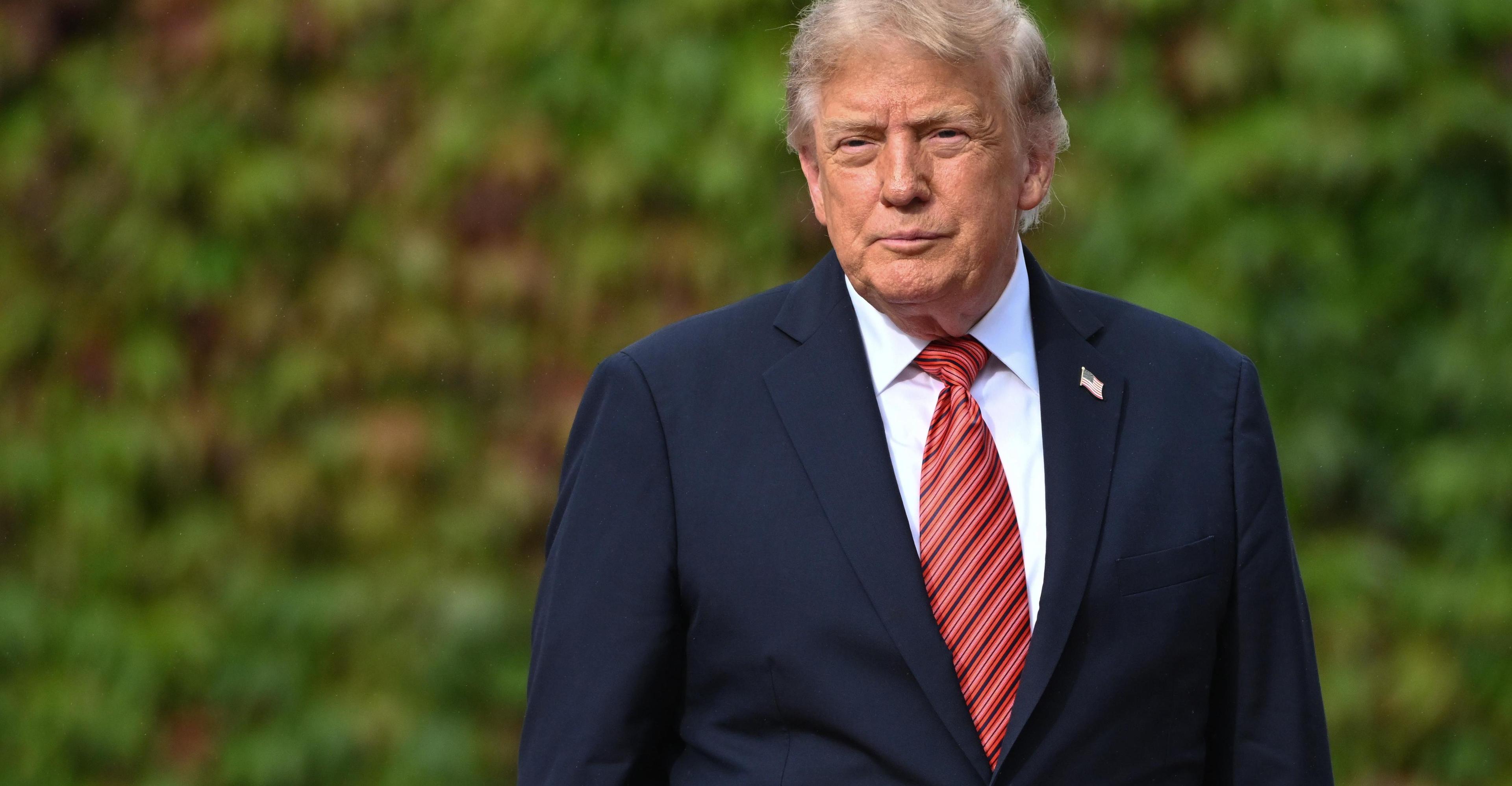
More Republicans are breaking from Trump. Is it too little, too late?
- a day ago
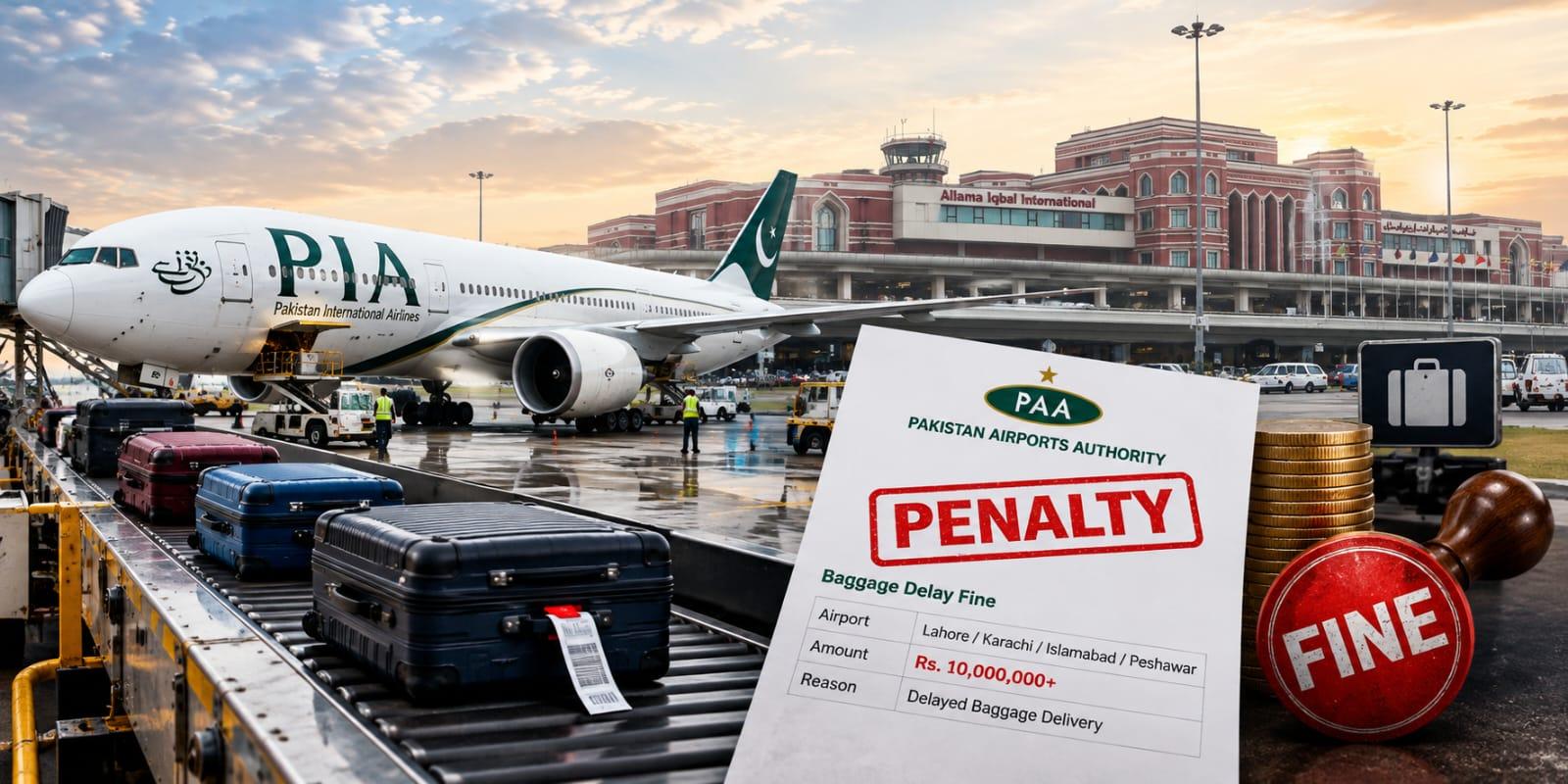
PIA faces over Rs10mn in baggage delay penalties at airports across Pakistan
- 14 hours ago
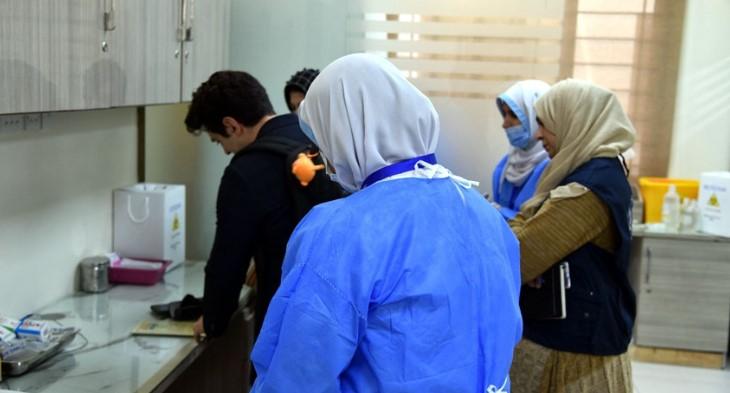
WHO renews commitment to support Pakistan in fight against childhood cancer
- a day ago

A sinkhole swallowed Nicolas Cage’s driveway. Yours might be next.
- a day ago

Malaysia beat Pakistan by 5-4 goals in Asian Games match
- 10 hours ago
Why Americans are warming to China
- a day ago
Susan Collins is the abortion rights movement’s biggest test of 2026
- a day ago
Any attempt to divert Pakistan's share of waters will be treated as an act of war: PM Shehbaz
- a day ago