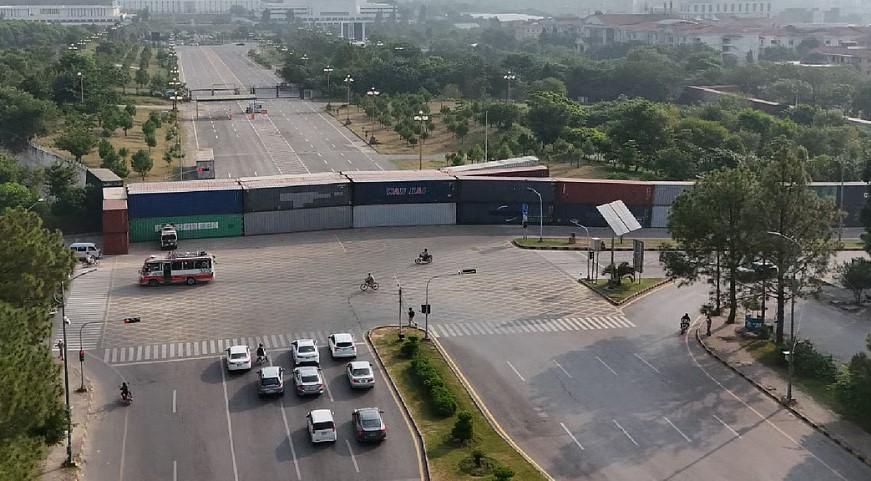
NDMA has put all the district administrations on high alert to deal the situation

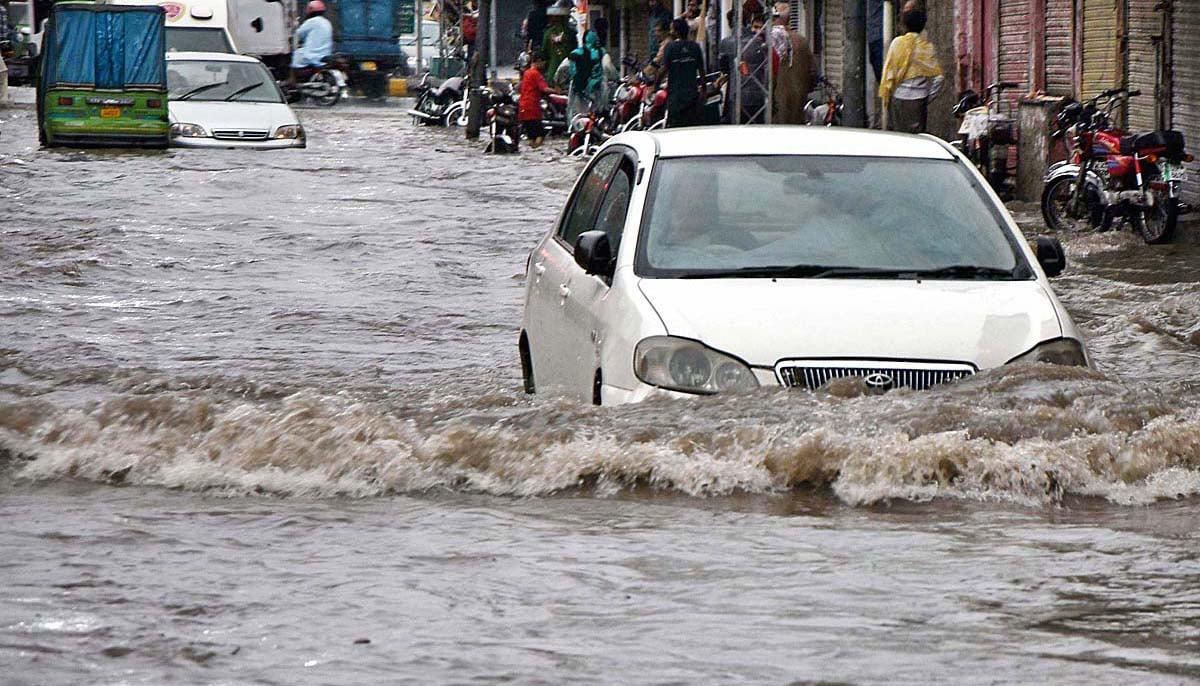
Islamabad: Heavy rains predicted to begin tomorrow may lead to urban flooding in many parts of Pakistan and cause landslides in mountainous areas.
Emergency and relief services have been put on high alert to address any potential crises during the downpours.
The Pakistan Meteorological Department (PMD) has forecasted torrential rains across the country as a new monsoon spell is expected to enter tonight.
“Strong monsoon currents from the Arabian Sea and Bay of Bengal are likely to penetrate the upper parts of the country from the night of July 31, and then central and southern parts from August 2,” the PMD stated.
Since the monsoon season began in early July, the PMD has announced at least five spells of rain affecting different parts of the country. However, many areas have remained dry despite these predictions.
This upcoming spell, the sixth of the season, is expected to bring scattered downpours with occasional gaps. The PMD has warned that heavy rains may cause urban flooding in low-lying areas of Islamabad, Rawalpindi, Gujranwala, Lahore, Sheikhupura, Kasur, Sialkot, Sargodha, Faisalabad, Multan, Sahiwal, Nowshera, and Peshawar from August 2 to 5. Low-lying areas of Sindh will likely receive rain on August 4 and 5.
Several areas in Sindh, including Jamshoro, Umarkot, Tharparkar, Khairpur, Thatta, Karachi, Hyderabad, Sukkur, Larkana, and Dadu, are predicted to experience heavy downpours during this period. The PMD also expects "few heavy falls" in Balochistan’s Khuzdar, Lasbela, Awaran, Panjgur, Kech, Kalat, Quetta, Ziarat, and the Makran Coast.
In Khyber Pakhtunkhwa, the PMD forecasts scattered heavy rains with isolated very heavy falls in large parts of the province, including Peshawar, Chitral, Dir, Swat, Kohistan, Malakand, Shangla, Battagram, Buner, Kohat, Bajaur, Mohmand, Khyber, Mansehra, and Abbottabad.
Meanwhile, National Disaster Management Authority (NDMA) has advised all the provincial disaster management authorities (PDMAs), and other relevant line departments to remain vigilant and prepared to respond to any emergent situations. "It is imperative for departments to ensure the pre-placement of machinery and the availability of relevant staff in vulnerable areas,” it said.
Local departments have been urged to sensitize residents living along riverbanks and associated nullahs about the expected increase in water flows, and to facilitate timely evacuation of at-risk populations from low-lying and flood-prone areas as per evacuation plans.
Additionally, citizens are advised to take extreme precautionary measures, such as staying away from electric poles and weak infrastructure, and refraining from driving or walking in waterways.
Tourists, and travelers are also advised to remain cautious during this period, checking weather and road conditions before traveling.

Allama Iqbal International Airport expansion gains momentum; passenger facilities set for significant upgrade
- a day ago

India, Pakistan on Asian Games collision course after cricket washout
- a day ago

US Afghanistan War Commission praises Pakistan’s contribution to regional peace
- a day ago

Gold prices record big plunge in Pakisan
- a day ago

Buttler ruled out of Pakistan Tri-series with hamstring injury
- 4 hours ago

Big Oil has an audacious request for the Supreme Court
- 12 hours ago

5 men held over bomb scare at England base used by US to attack Iran are UK nationals: police
- a day ago

Jensen Huang talks about AI and climate change like a supervillain
- 14 hours ago

What should you do if your friend is in love with you?
- a day ago

OpenAI cancels release of newest model due to safety concerns
- 2 hours ago

Pakistan Army team successfully performs complex brain surgery in Gwadar
- 4 hours ago

Pakistan storm into Asian Games hockey semi-finals after thrashing Oman 7-2
- a day ago