Country’s Met Office says flood conditions could persist if the monsoon rains continued

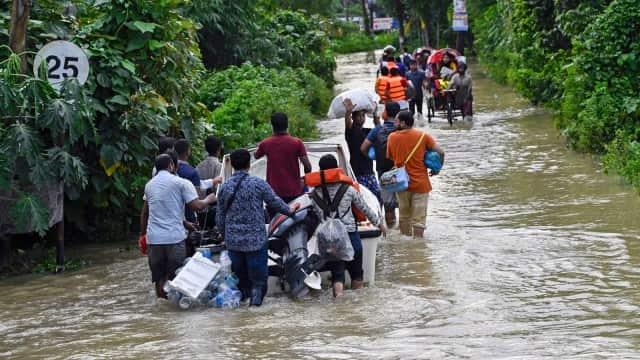
Dhaka (Reuters): The death toll from devastating floods caused by relentless monsoon rain and overflowing rivers in Bangladesh has risen to 23, with around 1.24 million families stranded across 11 districts, officials said on Monday.
As floodwaters recede slowly, many of the 5.7 million affected people remain isolated and in urgent need of food, clean water, medicine and dry clothes, above all in remote areas where blocked roads have hindered rescue and relief efforts.
The Bangladesh Meteorological Department said that flood conditions could persist if the monsoon rains continued, as water levels were receding very slowly.
Around 470,000 people have taken refuge in 3,500 shelters in the flood-hit districts, where around 650 medical teams are on the ground to provide treatment, with the army, air force, navy, and the South Asian country's border guard assisting in rescue and relief operations, authorities said.
Vast areas of land are submerged, posing a significant threat to crops if the floodwaters linger for an extended period, agriculture ministry officials said.
An analysis in 2015 by the World Bank Institute estimated that 3.5 million people in Bangladesh, one of the world's most climate-vulnerable countries, were at risk of annual river flooding. Scientists attribute the exacerbation of such catastrophic events to climate change.
"Countries like Bangladesh with negligible emissions and whose people have shown super resilience deserve immediate funds to address the impacts of climate change and frequent disasters," said Farah Kabir, director of ActionAid Bangladesh.
"We need to recover from the losses and damage we have faced, as well as build resilience to future impacts and take on green development pathways."
In one of the worst-hit districts, Noakhali, 56-year-old Shukuri Begum lost her home as it was swept into a pond by the floodwaters, according to ActionAid. Terrified, she fled with her grandchildren to a neighbour's house, but couldn't stay there long as it was no longer safe.
"I have a son with physical disabilities, and we couldn’t bring him with us. We had to stack beds and leave him on top, hoping he would be safe. I don’t know what’s waiting for us," ActionAid quoted her as saying.

Dots get up in Muse’s business
- 2 hours ago
Noise from Universal’s latest ride made rich locals furious, fast
- 2 hours ago
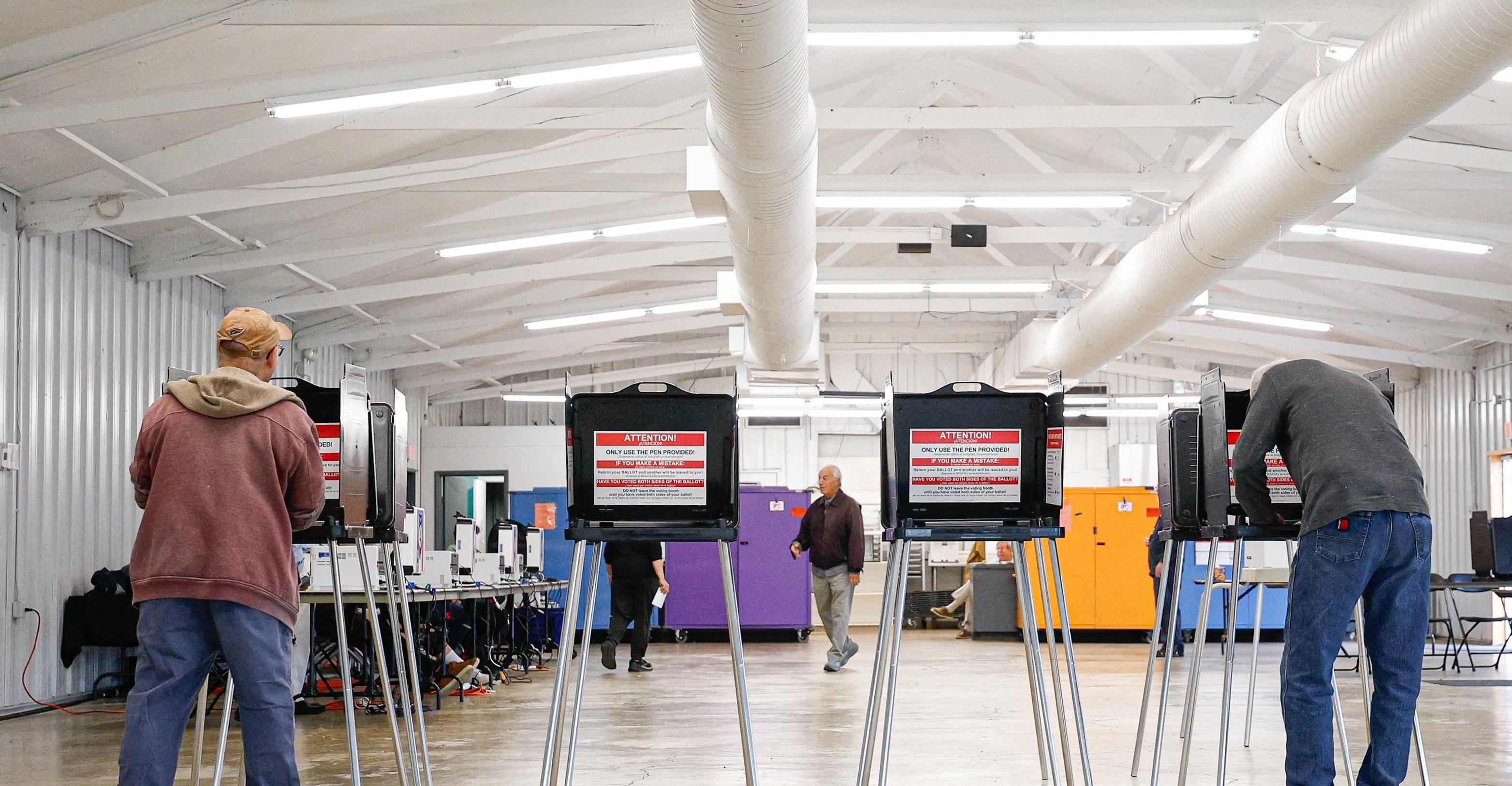
How both parties have changed since 2024
- 5 minutes ago
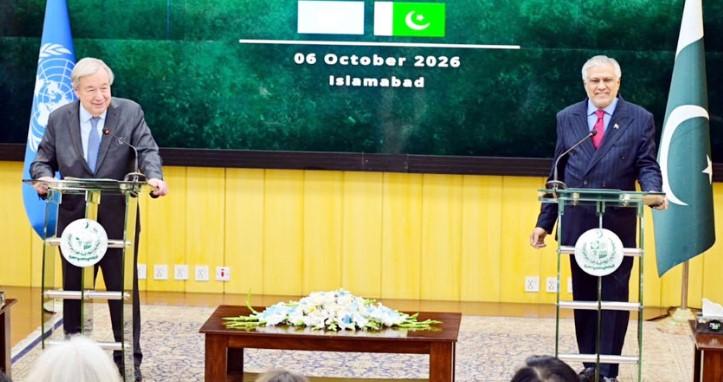
UN chief lauds Pakistan’s efforts to promote dialogue, mediation
- 9 hours ago

Trump’s plan to buy votes, briefly explained
- 6 minutes ago

Amazon’s delivery driver smart glasses will reportedly take photos ‘almost constantly’
- 2 hours ago
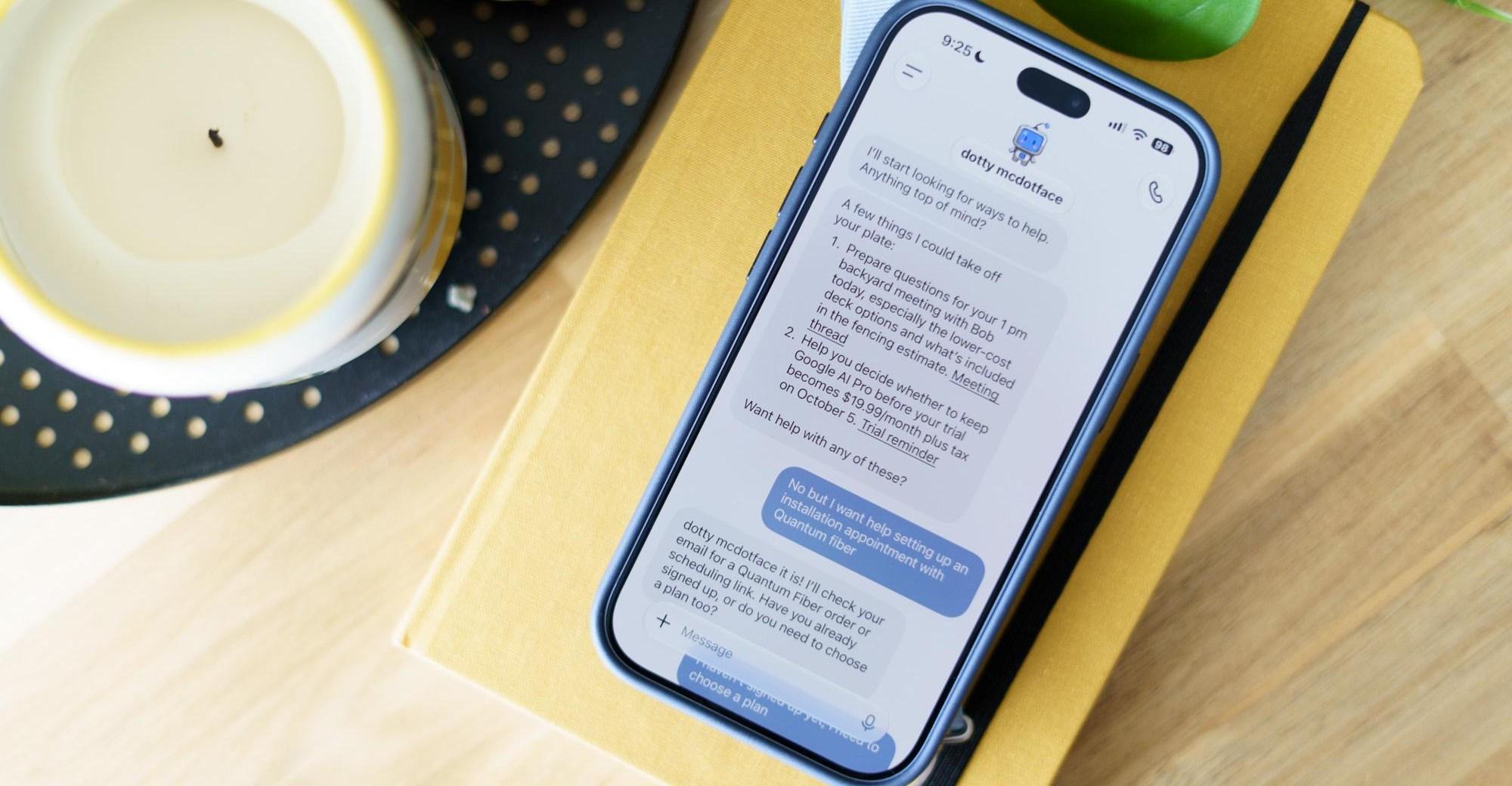
OpenAI’s Dot agent is enterprise software that can also order your dinner
- 2 hours ago

Reverse-engineered games: All the news on video game decomps, recomps, VR and web and 3D ports
- 2 hours ago
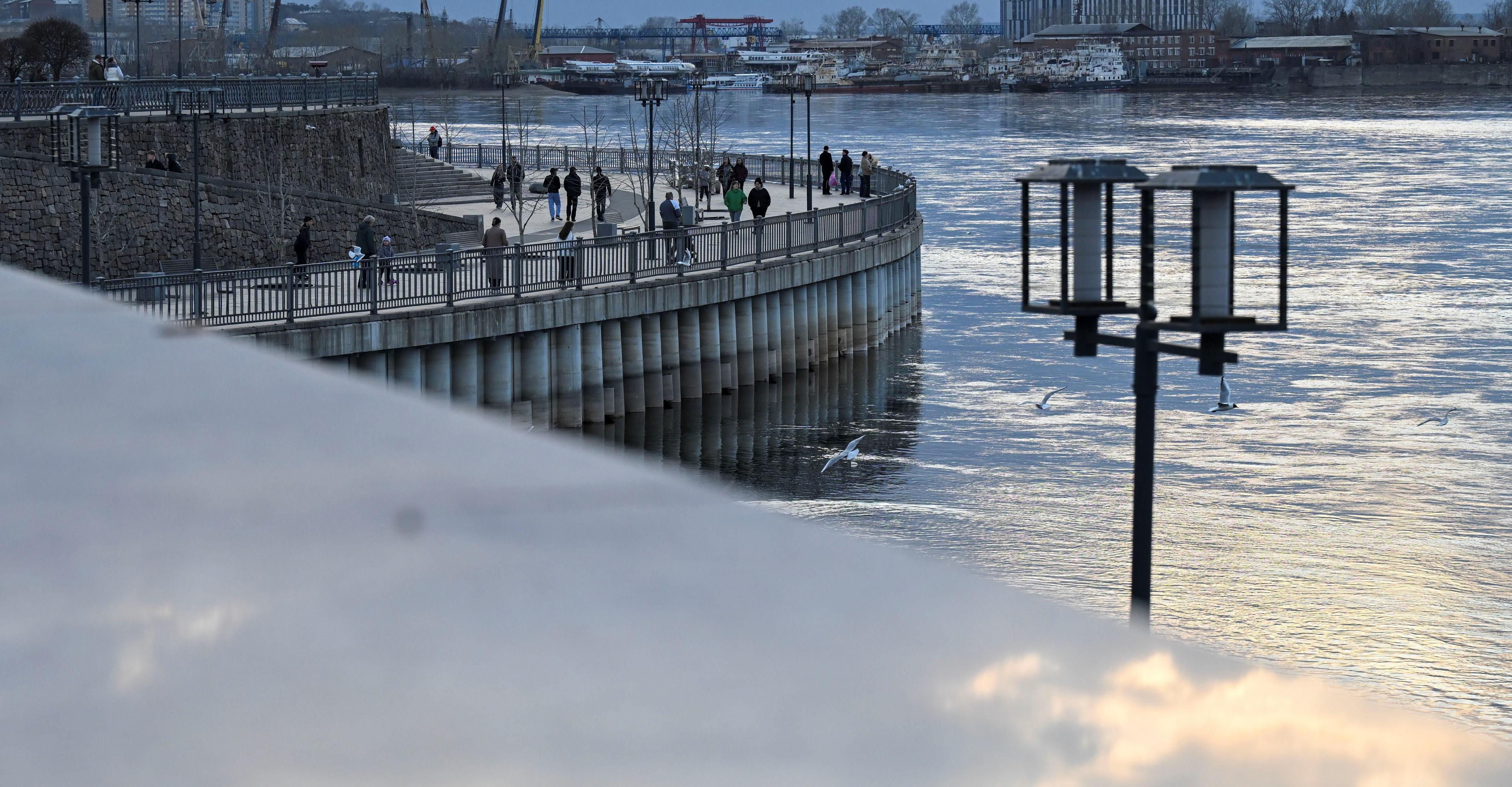
What you should know about the Russian “plague lab”
- 6 minutes ago

Pakistan successfully test-launches Fatah-4 cruise missile
- 10 hours ago
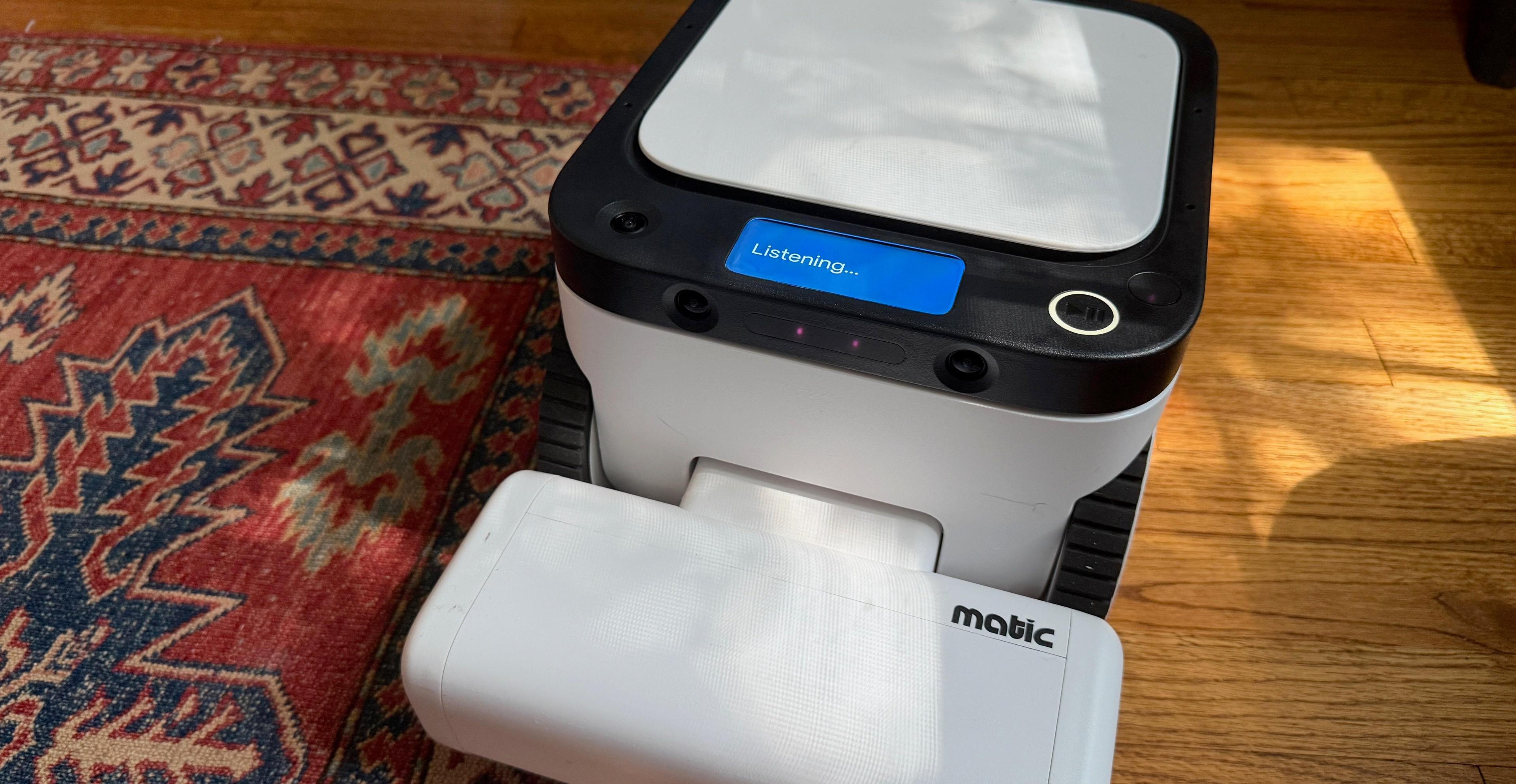
The Matic is the first robovac to get an FCC ban waiver, not that it needs it
- 2 hours ago

Apple’s new M6 Mac Mini is over $100 off
- 2 hours ago