
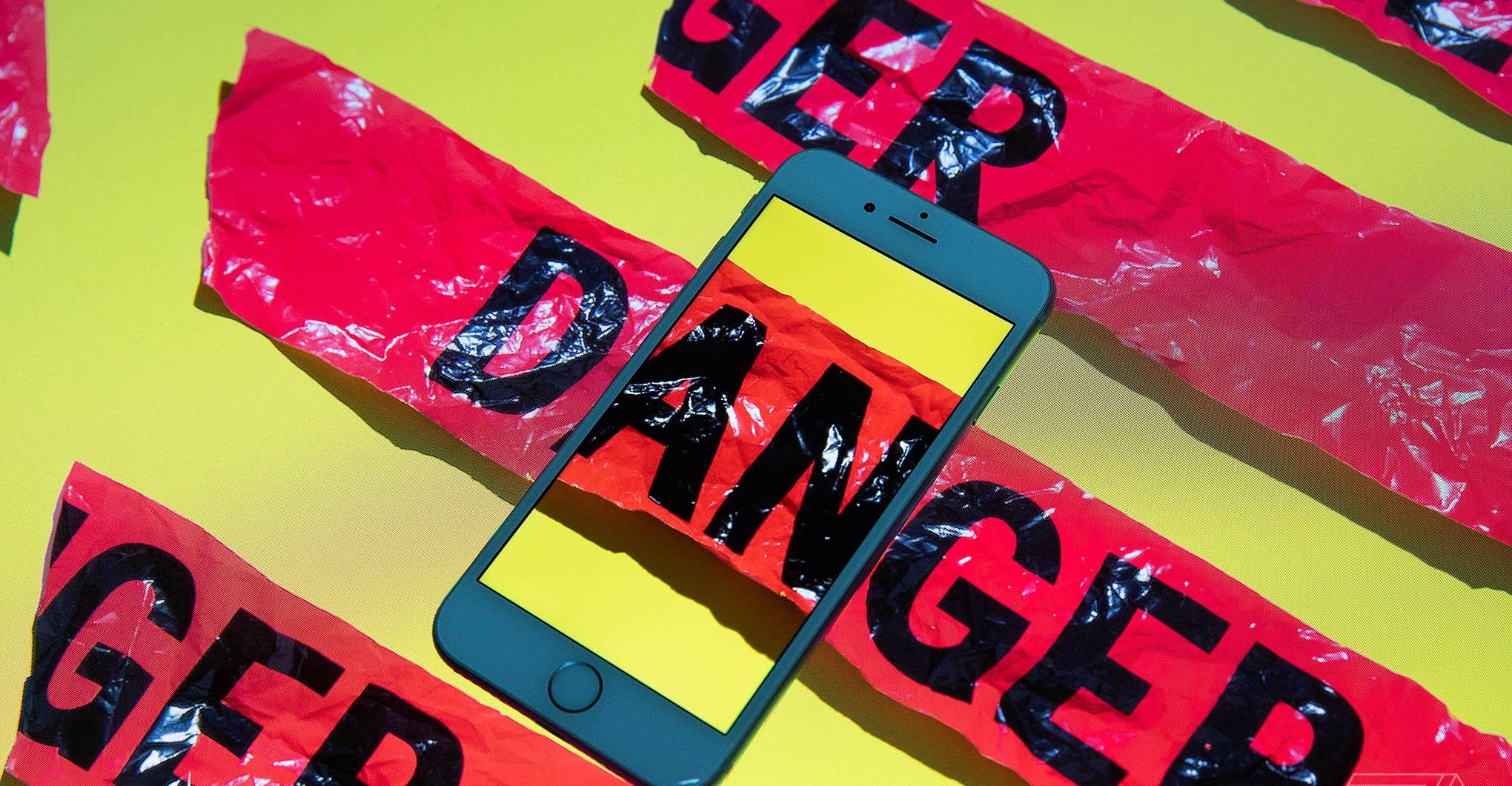
A coalition of consumer protection and anti-waste groups wants the Federal Trade Commission to go after “software tethering,” or the practice of tying hardware’s functionality to external software — which often renders products unusable after software updates stop.
Technology
- Home
- Technology
- News
The FTC should stop tech companies from bricking their products, consumer groups say
These groups want the FTC to crack down on products like the Snoo bassinet and Juicero juicer, which require software to function.

Published 2 years ago on Sep 6th 2024, 10:00 am
By Web Desk

The groups, including Consumer Reports, iFixIt, US PIRG, the Electronic Frontier Foundation, the Center for Economic Justice, and Californians Against Waste, have signed onto a letter asking the FTC to “create clear guidance” on software tethering. “While the FTC has taken some limited actions with regard to this issue, a lack of clarity and enforcement has led to an ecosystem where consumers cannot reliably count on the connected products they buy to last,” the letter reads.
The letter calls out a number of products whose functionalities have been limited — or eliminated altogether — by this practice. In some cases, as was the case with the $1,695 Snoo bassinet, customers “discovered that some of the features that were originally advertised with the product” would soon be locked behind a monthly subscription service. In other instances, like the Juicero juicer, the products became unsupported and effectively unusable after the startups behind them shut down.
“Manufacturers increasingly use software to lock us into only using our tech in ways that just-so-happen to generate the most profits for them,” Lucas Rockett Gutterman, Designed to Last director with US PIRG, said in an emailed statement. “If we want to stop the tech industry from pushing us into replacing products that still work, we need to stand up for consumers’ right to get what we’ve paid for in the age of connected devices.”
The authors also note that even major, established companies like Google kill certain products — and their support — leaving customers with waste, and note that smart home products like major appliances are particularly vulnerable to this. “With larger products, uncertainty about when these products might fail represents the loss of a substantial investment and the creation of literal tons of waste,” the letter reads. A forthcoming Consumer Reports study cited in the letter found that of 22 major smart appliance makers, only three provided a set time period over which they’d provide cybersecurity and software updates. Four others said they’d provide support and firmware updates for the products over an unspecified time period.
“We expect the problem to get worse over time as more companies build ‘smart’ products that connect to the internet or are app controlled,” the letter reads. To remedy this, the groups are proposing the FTC:
require companies to guarantee minimum support time for products, and to clearly state this time on product packagingrequire companies to ensure that products’ core functionality will work even if the internet connection fails or if the corresponding software stops being updatedencourage tools and methods to enable reuse if and when software support endsprotect “adversarial interoperability,” or the practice of allowing competitors or third parties to modify old deviceseducate manufacturers on how to build longevity into product design
“Consumers are already being burned by software obsolescence,” the letter states, “and absent guidance and enforcement, we are seeing companies role the dice on selling connected devices that they have no intention of standing behind.”
Here are all the new HomePod Mini 2 colors
- a day ago

Pakistan warns India against any misadventure: FO
- 2 days ago

West Bank settlers brutally attack a Washington Post journalist
- 6 hours ago

Will November stop Trump’s agenda?
- a day ago

Trump’s revenge campaign comes for Ilhan Omar
- a day ago

Buying Apple’s wall-mounted HomeView? The mount costs extra
- a day ago
Hands-on with the Apple Home Collection
- a day ago

Cold weather and high prices could flip the Senate
- a day ago
Florida’s uniquely horrifying death penalty system
- a day ago

Jodar apologises for swearing at ball kid in Shanghai
- 2 days ago

Character.AI files for bankruptcy
- a day ago

The Ocarina of Time remake feels remarkably modern — and surprisingly terrifying
- a day ago
You May Like


Trending