Alert follows combined influence of penetrating monsoon currents and a westerly trough over northern Pakistan

Published a year ago on Aug 5th 2025, 9:17 pm
By Web Desk
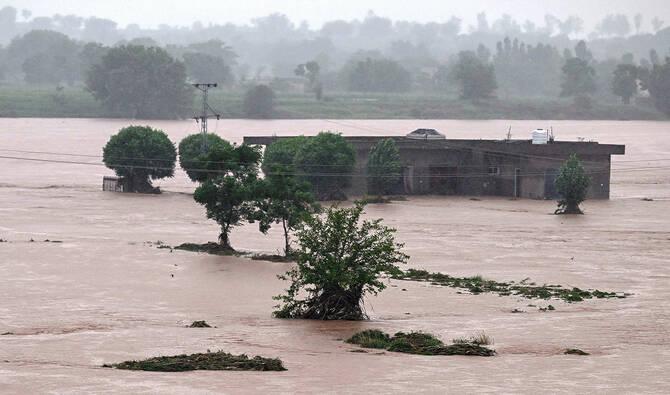
Islamabad (APP): National Emergencies Operation Center (NEOC) of NDMA has issued a fresh flood alert in view of an intensifying monsoon system affecting upper and central regions of Pakistan from August 5 to 8, 2025.
The alert follows the combined influence of penetrating monsoon currents and a westerly trough over northern Pakistan, which is expected to result in scattered heavy rainfall during this period.
Increased inflows are anticipated in all major rivers, especially Indus, Chenab, and Ravi, with nullahs of Ravi and Chenab likely to reach up to medium flood levels. Tarbela, Guddu, and Sukkur Barrages are presently at low flood stage, but continued rain may push Chashma and Taunsa towards low flood levels as well.
River Chenab at Marala is expected to reach low flood, while River Jhelum upstream of Mangla Dam, along with its tributaries, may attain medium flows. River Kabul at Nowshera, and River Swat and Panjkora with their associated streams and nullahs are also likely to swell owing to persistent rainfall in their catchment areas.
In Gilgit-Baltistan, stream networks in districts Hunza, Shigar, and Ghanche may see significant rise in water levels with potential for localized flash floods in tributaries. Current storage levels at major reservoirs show Tarbela at 94% and Mangla at 61%, with further inflow expected.
NDMA urges residents living near rivers, streams, and nullahs to stay vigilant for sudden rises in water levels, especially at night and during periods of intense rainfall. The public is advised to stay updated through official flood warnings via television, radio, mobile alerts and Pak NDMA Disaster Alert app. Communities in vulnerable areas should identify safe evacuation routes and keep emergency kits, dry food, clean drinking water, and essential medicines ready. Livestock, vehicles, and valuables should be moved to safer elevated locations.
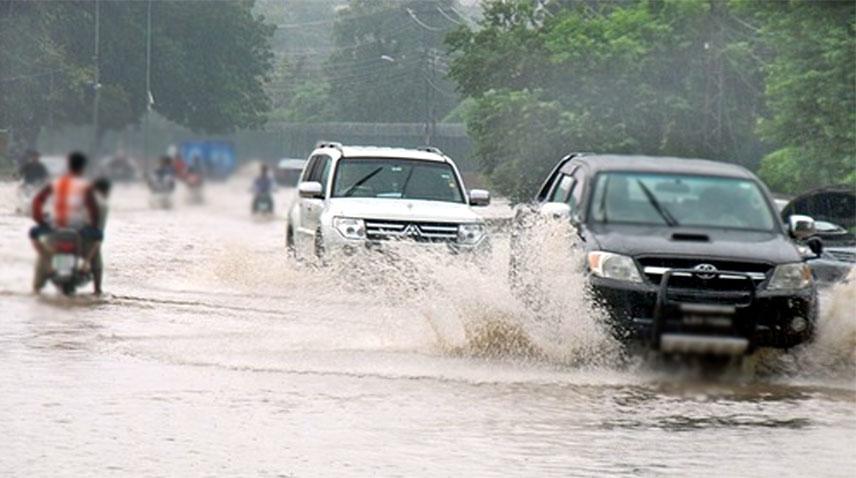
Urban centers, particularly in northeastern and central Punjab, should ensure dewatering equipment is in place to address water accumulation due to heavy rainfall. The public is strongly advised to avoid crossing low bridges, causeways, and flooded roads, as even 6 inches of fast-moving water can knock over an adult, and 12 inches is enough to carry away most vehicles. NDMA is monitoring the situation round the clock and remains in close coordination with provincial and district authorities for proactive response and mitigation.
NDMA is closely monitoring the evolving situation through NEOC and remains in constant coordination with provincial and district disaster management authorities to ensure a timely and coordinated response.

UN says AI safeguards can’t wait for certainty
- an hour ago
Pakistan downs eight drones launched from Afghan side: security sources
- a day ago

Security researchers used Claude to help them hack into OpenAI
- 10 hours ago

Trump’s new press ban
- a day ago

Magnitude 5.1 earthquake rattles eastern Turkiye, EMSC says
- 8 minutes ago

Trump gets a Greenland deal
- 8 hours ago

It’s not your imagination — dating has gotten way more combative lately
- 8 hours ago

Trump's Board of Peace to unveil $2.45bn Gaza recovery plan, reports
- 21 hours ago

Dr Najeeb Naqi from PML-N elected 25th president of Azad Jammu and Kashmir
- 10 minutes ago

Does AI need an antitrust exemption so it doesn’t kill everyone????
- 10 hours ago

The psychology behind Trump’s obsession with DC renovations
- 8 hours ago

The uncomfortable truth about aquariums
- 8 hours ago
You May Like





Trending