
Technology
- Home
- Technology
- News
Qualcomm’s next-gen Snapdragon X2 laptops are here — and they brought a new friend
In September, Qualcomm announced the Snapdragon X2 Elite and X2 Elite Extreme, the laptop chips that, it claimed, would be "the fastest and most efficient processors for Windows PCs." They might finally give Intel and AMD a run for their money. Now, CES 2026 …

Published 9 months ago on Jan 7th 2026, 5:00 am
By Web Desk
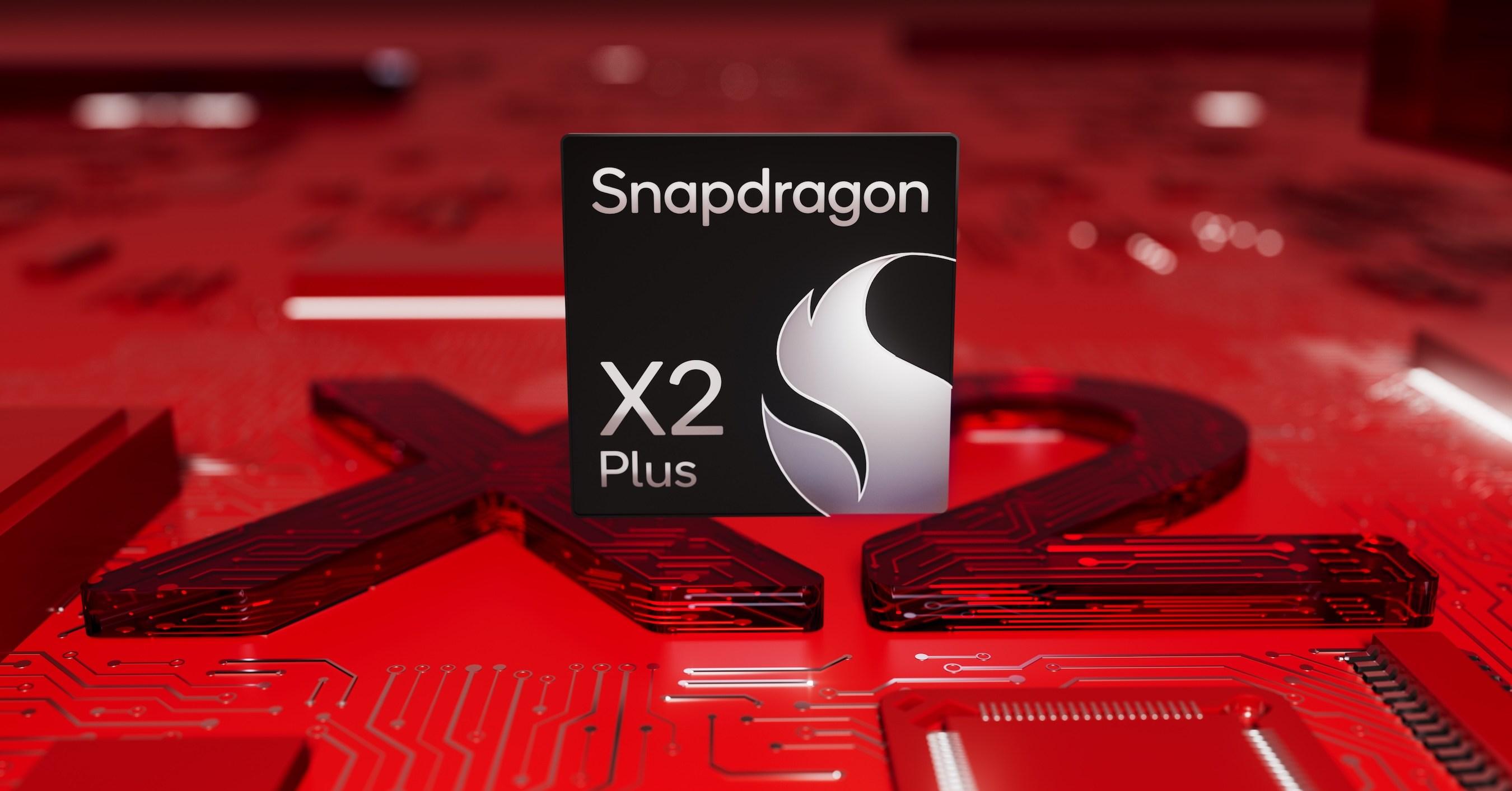
In September, Qualcomm announced the Snapdragon X2 Elite and X2 Elite Extreme, the laptop chips that, it claimed, would be “the fastest and most efficient processors for Windows PCs.” They might finally give Intel and AMD a run for their money. Now, CES 2026 is bringing us the first actual laptops based on both that silicon and the Snapdragon X2 Plus — a pair of just-announced chips aimed at more budget machines.
PCs with the X2 Elite and ones with the X2 Plus should both arrive around the end of the first quarter, Qualcomm spokesperson Cassandra Garcia-Bacha tells The Verge.
[Image: https://platform.theverge.com/wp-content/uploads/sites/2/2026/01/2.jpeg?quality=90&strip=all]
Qualcomm isn’t promising particular price points like it did in 2024, when it proclaimed it’d bring the cost of a Snapdragon X laptop down to $700 — which makes sense, I suppose, as the global RAM shortage currently has PC prices in flux. You’ll have to watch this week as various PC makers do — and don’t — announce those prices themselves.
But Qualcomm senior director Mandar Deshpande tells me that Snapdragon X2 products are “trying to land in similar swim lanes” to the previous generation, whose “Elite” tier started at $1,000, “Plus” at $800, and “X” at $600 and up.
While the Plus chips won’t have quite the power of the X2 Elite, it sounds like they’re no slouch. Though the 10-core and 6-core variants have fewer CPU cores than the Elite (which boast 18 and 12, respectively), Qualcomm claims they can still wipe the floor with a competing low-power Intel Lunar Lake or Arrow Lake chip in both CPU performance and efficiency:
[Image: https://platform.theverge.com/wp-content/uploads/sites/2/2026/01/5.jpeg?quality=90&strip=all]
And for AI tasks, they still contain the same 80 TOPS NPU as Qualcomm’s higher-end chips. It claims they’re “the world’s fastest NPU for laptops in its class”:
[Image: https://platform.theverge.com/wp-content/uploads/sites/2/2026/01/6.jpg?quality=90&strip=all]
That said, the Plus won’t have nearly as much GPU for gaming and other graphical tasks. Overall, Qualcomm says you’re looking at up to 35 percent CPU gains and up to 39 percent GPU gains over a previous-gen chip, depending on whether you’re looking at the 10-core or 6-core model, and we liked the Snapdragon X Plus-powered 12-inch Microsoft Surface Pro, as one example.
[Image: https://platform.theverge.com/wp-content/uploads/sites/2/2026/01/1_5a14f8.jpeg?quality=90&strip=all]
Twenty-nine or 39 percent GPU gains might sound respectable, but it may not be enough to make these good for gaming, and it’s nothing compared to the 2.3x gains Qualcomm boasts for the Elite — and the 6-core chip has dramatically lower GPU frequency than even the 10-core chip, at just 0.9GHz versus 1.7GHz.
[Image: You may want to compare these to the Elite and Elite Extreme specs. https://platform.theverge.com/wp-content/uploads/sites/2/2026/01/SCR-20260103-udgb_fb4419.png?quality=90&strip=all]
Qualcomm does say the Plus requires up to 43 percent less power than the previous gen, though, with “multi-day battery life,” and promises they won’t drop performance when you’re on battery. And even the Plus can support up to 128GB of LPDDR5x memory, not that manufacturers are likely to bite in this RAM economy!
If you plan to game with a Qualcomm + Windows laptop, you’ll be pleased to hear the company says it’s ramping up graphics driver support. It’s not promising day-and-date updates for each hot game as they launch, but Deshpande says Qualcomm is currently pledging quarterly driver updates and already supports some 1,400 games, covering 90 percent of “the most played game titles.” Its Snapdragon Control Panel app should automatically keep GPU drivers up to date, and the drivers should natively support DX 12.2 Ultimate, Vulkan 1.4, and OpenCL 3.0.
While Deshpande says both the Plus, like the Elite, can scale to most any wattage for a wide range of designs — remember, portable performance is about cooling as much as or more than the chip — he says most should fall in the 12–35W envelope of traditional thin-and-light laptops, there may be some fanless designs, and we might see mini PCs that add an additional 10W of headroom for extra performance, too.
Qualcomm won’t talk about operating systems other than Windows (say, SteamOS) or Windows on Arm handhelds today, though. There’s “a lot of interest on other operating systems, we’re looking at that, we’re working on developing some of those solutions and everything, but CES is not the time we’re announcing support,” says Deshpande.
But there is one hint: We should keep an eye on the 2026 Game Developers Conference for potential Windows handhelds, Garcia-Bacha tells me. GDC 2026 will run March 9th to 13th.
Here are all the new HomePod Mini 2 colors
- 2 دن قبل
The Ocarina of Time remake feels remarkably modern — and surprisingly terrifying
- 2 دن قبل

West Bank settlers brutally attack a Washington Post journalist
- 15 گھنٹے قبل

Trump’s revenge campaign comes for Ilhan Omar
- 2 دن قبل

Character.AI files for bankruptcy
- 2 دن قبل
Buying Apple’s wall-mounted HomeView? The mount costs extra
- ایک دن قبل

Will November stop Trump’s agenda?
- 2 دن قبل
Hands-on with the Apple Home Collection
- ایک دن قبل

Cold weather and high prices could flip the Senate
- 2 دن قبل

Jodar apologises for swearing at ball kid in Shanghai
- 2 دن قبل

FIA offloads 2 passengers at Lahore airport over fake documents, tampered study visa
- 6 گھنٹے قبل

Florida’s uniquely horrifying death penalty system
- 2 دن قبل
You May Like



Trending