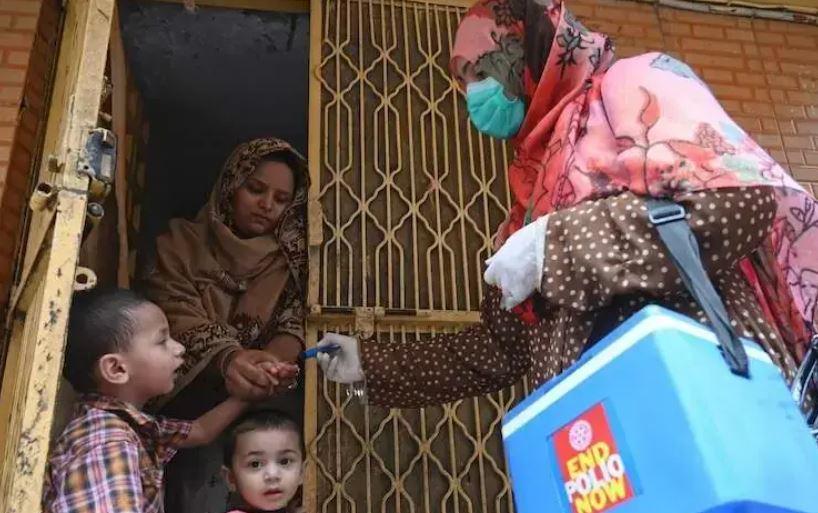
GENEVA: The World Health Organisation has recommended that people with a weaker immunity system should be given an additional dose of COVID-19 vaccine, due to their higher risk of breakthrough infections after standard immunisation.

The Strategic Advisory Group of Experts on Immunisation said the additional dose should be offered "as part of an extended primary series since these individuals are less likely to respond adequately to vaccination following a standard primary vaccine series and are at high risk of severe COVID-19 disease".
WHO vaccine director Kate O'Brien, referring to people with lower immunity due to other conditions, told a news briefing: "The recommendation is for a third vaccination, an additional vaccination in the primary series and again that is based on the evidence showing that the immunogenicity and evidence on breakthrough infections is highly disproportionately represented by those people."
The panel also recommended that people over 60 receive an additional dose of the shots made by Chinese vaccine makers Sinopharm and Sinovac some one to three months after completing their schedule, citing evidence in studies in Latin America that they perform less well over time.
Observational data on Sinopharm and Sinovac shots "clearly showed that in older age groups ... the vaccine performs less well after two doses", said Joachim Hombach, secretary of the independent panel of experts who held a five-day closed-door meeting last week.
"We also know that the addition of a third dose or moving into a two-plus-one schedule provides a strong (immune) response. So we expect from there a much better protection," he said.
Health authorities using the Sinopharm and Sinovac vaccines should aim first to maximise two-dose coverage in the older populations and then administer the third dose, the panel said.
The SAGE group, composed of independent experts who make policy but not regulatory recommendations, will review all global data on booster shots in a November 11 meeting, amid questions over variants and potential waning of immunity, O'Brien said.
Currently some 3.5 billion doses of COVID-19 vaccines have been administered, O'Brien said.
An estimated 1.5 billion doses are available globally each month, enough to meet the target of vaccinating 40% of each country's population by year-end, but distribution is unequal, she added.
"Giving those booster doses to individuals who have already had the benefit of a primary response is like putting two life jackets on somebody and leaving others without any lifejacket," O'Brien said.
"In this sense we are talking about getting the first lifejacket onto people who have immunocompromising conditions."
SOURCE: REUTERS

PHP: The three letters that shut down sites all over the internet today
- 16 hours ago

Conversational Gemini navigation comes to Apple CarPlay
- 16 hours ago

Russia released a US prisoner. What did they get out of it?
- 14 hours ago

US military bans BYD vehicles from strategic air base in Japan
- 5 hours ago

10 terrorists, including one female, killed in Gwadar: ISPR
- 3 hours ago
What Christina Applegate’s misdiagnosis reveals about MS
- 14 hours ago

How the biggest renewable energy project in US history finally got built
- 14 hours ago
This Democrat’s accountability plan has Trump fuming
- 14 hours ago

The Cornell rape case has surfaced a hidden divide among progressives
- 14 hours ago

Field Marshal Munir vows total defeat of terrorists with public support
- 6 hours ago

Meta ordered to pay $25 billion in penalties over the Cambridge Analytica scandal
- 16 hours ago

GM promises smarter cars, faster updates, and autonomous dry-cleaning runs
- 16 hours ago