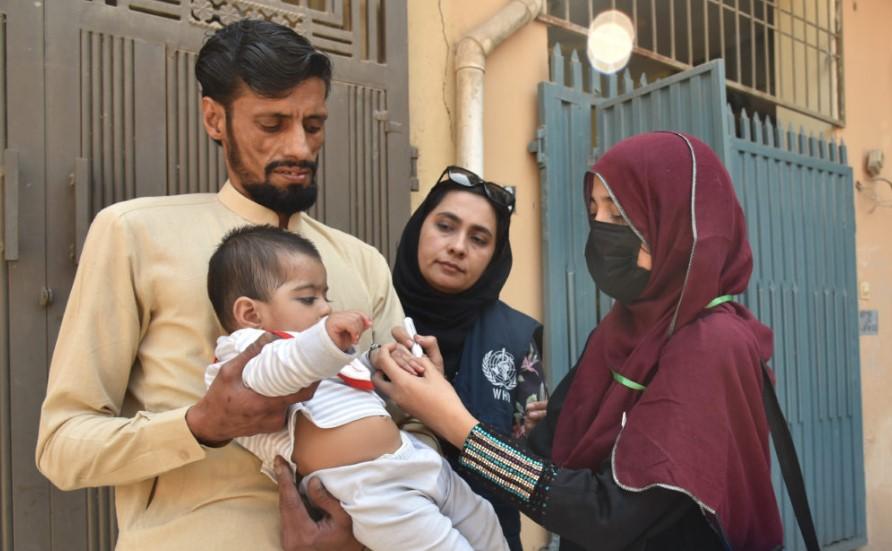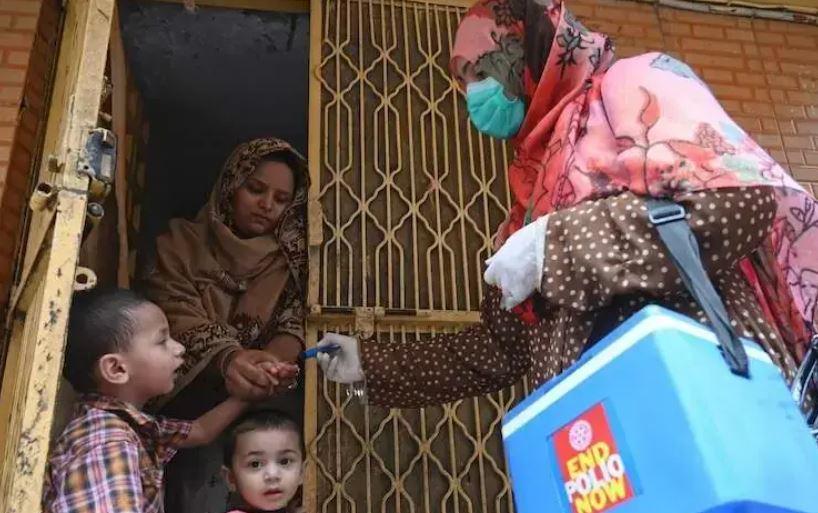
Poorer nations face supply cuts as Covid vaccine hoarding continue amid omicron
Merely 7.5% of more than one billion people in Africa have had primary vaccine shots.

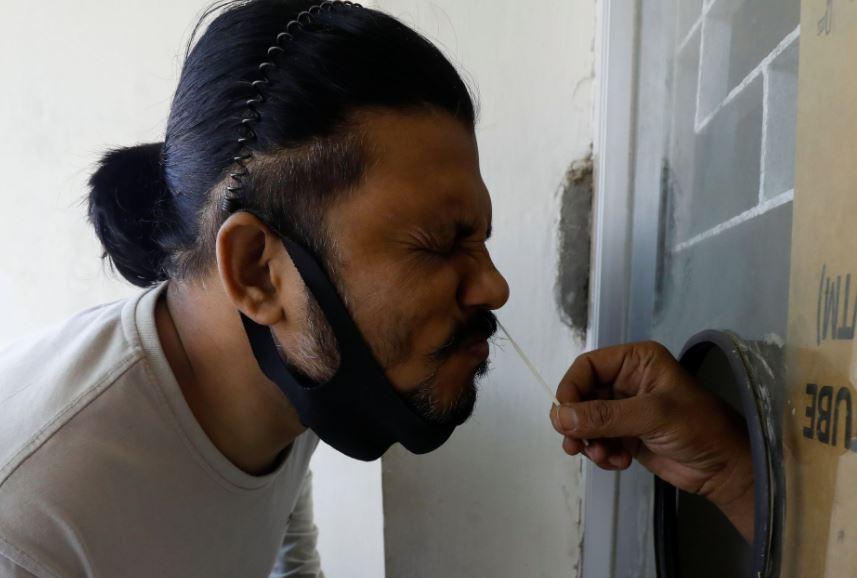
The World Health Organization warned wealthy countries on Thursday against hoarding COVID-19 vaccines for booster shots as they try to fight off the new Omicron variant, threatening supplies to poorer countries where inoculation rates are low.
Many Western nations have been rolling out boosters, targeting the elderly and people with underlying health issues, but worries about the fast-spreading Omicron have prompted some to expand their programmes.
The WHO recommended boosters instead for those with health issues, or those who have received an inactivated shot.
The jury is still out on how effective current vaccines are against Omicron. They have so far proved hugely successful in slowing the spread of the coronavirus and the severity of illness, and low rates of inoculation pose the risk of more dangerous and more vaccine-resistant variants emerging.
"As we head into whatever the Omicron situation is going to be, there is risk that the global supply is again going to revert to high-income countries hoarding vaccine," the WHO's vaccine director, Kate O'Brien, told a briefing.
"...It's not going to work. It's not going to work from an epidemiologic perspective and it's not going to work from a transmission perspective unless we actually have vaccine going to all countries."
Mike Ryan, WHO emergencies director, said Omicron appeared to be "fitter and faster" but it was not invincible.
"We don't fully understand the implications clinically or the implications for our vaccines. ... What we do in the coming days and weeks, both in terms of virus suppression, vaccination and equity will make a huge difference to the evolution of this pandemic in 2022," he said.
Omicron was first detected in southern Africa and Hong Kong and Africa accounts for 46% of reported cases globally, Richard Mihigo, coordinator of the WHO's Immunisation and Vaccine Development Programme for Africa, told an online briefing.
Early hospital data from South Africa shows fewer than a third of patients admitted during the latest wave linked to Omicron were suffering severe illness, compared with two thirds in early stages of the last two waves.
Just 7.5% of more than one billion people in Africa have had primary vaccine shots.
SHORT SHELF LIFE
O'Brien's warning came as supplies to the global COVAX vaccine-sharing programme run by the WHO and charity GAVI have increased in the past few months due to donations from wealthy countries and after India eased limits on exports of vaccines.
She said a major problem for COVAX had been wealthy countries donating vaccines with a relatively short shelf life.
The WHO has said in recent months that administering primary doses should be a priority and its vaccine advisory panel recommended on Thursday that people who are immunocompromised or received an inactivated vaccine should receive a booster.
Coronavirus infections have been reported in more than 210 countries and territories since the first cases were identified in central China two years ago.
More than 267.28 million people have been infected and nearly 5.6 million have died, according to a Reuters tally.
WHO Director-General Tedros Adhanom Ghebreyesus said the world was not on track to meet vaccination targets and that Omicron illustrated the "perilous situation" the world was in.
Britain was struggling to enforce tougher restrictions to slow the spread of Omicron after revelations about alleged lockdown parties at Prime Minister Boris Johnson's residence provoked an outcry over hypocrisy.
Johnson apologised in parliament for a video showing staff laughing about a party in Downing Street during a 2020 Christmas COVID lockdown when such festivities were banned for the population.
World stock markets stalled at two-week highs on Thursday as increased restrictions in parts of the world to contain the spread of Omicron tempered optimism on the vaccine front.
John Nkengasong, the head of the Africa Centres for Disease Control, said on Thursday the Serum Institute of India (SII), the world's biggest vaccine maker, had let Africa down by pulling out of talks to supply vaccines.
SII did not immediately respond to a Reuters request for comment.
Slovakia, with a population of 5.5 million, has been severely hit by the latest wave of the pandemic, forcing it to revert again to lockdowns while hospitals fill up.
It has come up with a novel way to boost low inoculation rates - to give cash handouts of up $340 to people over 60 who get their shots.
SOURCE: REUTERS
Microsoft shuts down its beloved maker space
- a day ago

US singer Chris Brown spared jail after pleading guilty over UK nightclub incident
- 4 hours ago
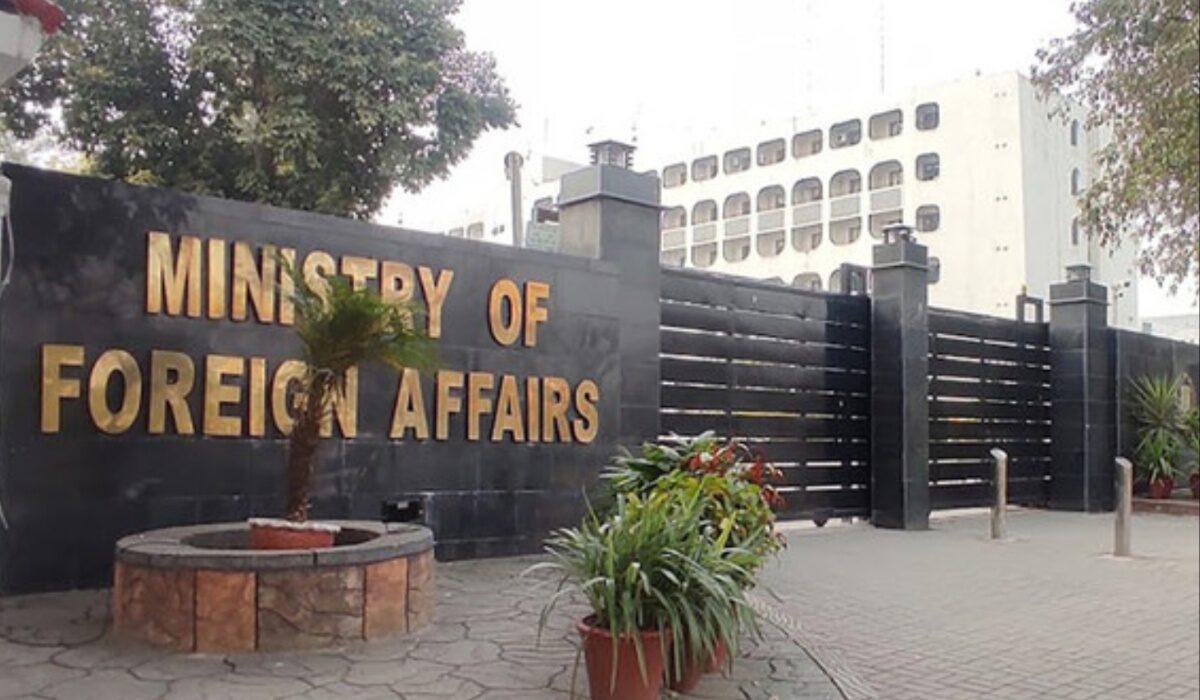
Pakistan condemns Houthi missile attacks on Saudi Arabia
- 6 hours ago

Sure, let’s smoosh SpaceX and Tesla together, who cares
- a day ago

Delta can turn the iPhone Duo into your favorite folding handheld
- a day ago
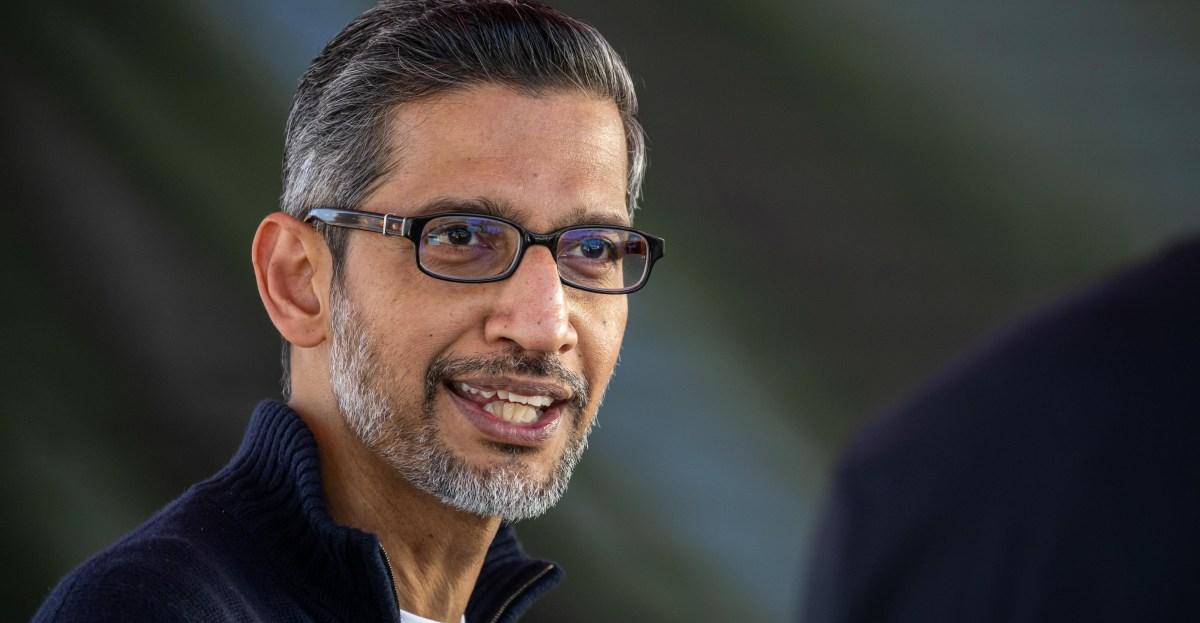
Trump says Sundar Pichai talked him out of renaming the Atlantic Ocean
- a day ago

Apple will label apps that are ‘Made for iPhone Duo’
- a day ago

Jordan arrests three in dawn raid over church attack
- 5 hours ago

OpenAI now trains its frontier AI models with no internet access
- a day ago

Samsung’s latest 55-inch Frame TV is down to its lowest price yet
- a day ago

What do you do when your love and your life are in two different places?
- 15 hours ago

PHP: The three little letters wreaking havoc across the web
- a day ago