The statements on Wednesday came as Pakistan’s economy teeters on the brink of a financial crisis.


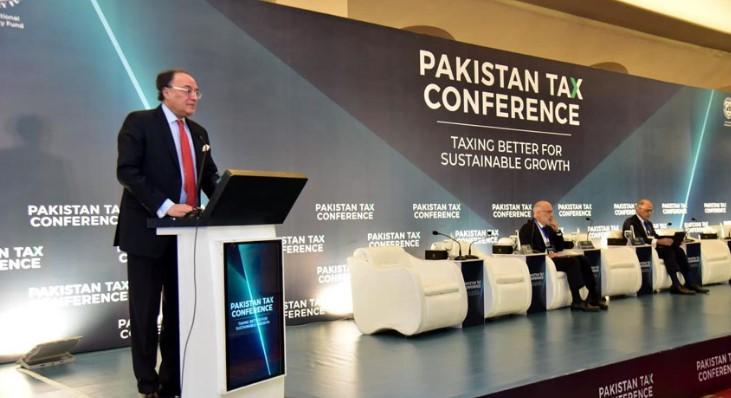
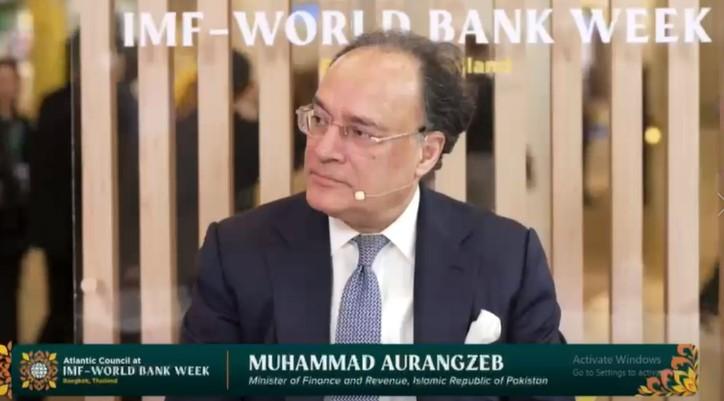
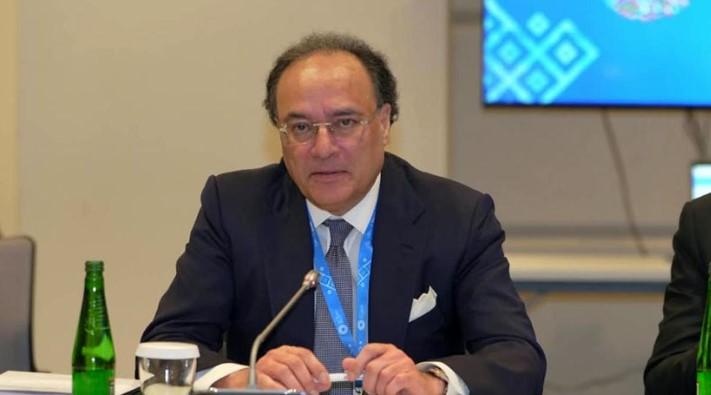
Key progress has been made in talks on the revival of Pakistan’s International Monetary Fund (IMF) bailout programme, both sides said, with Islamabad expecting the lender to increase the size and duration of the 39-month, $6bn facility.
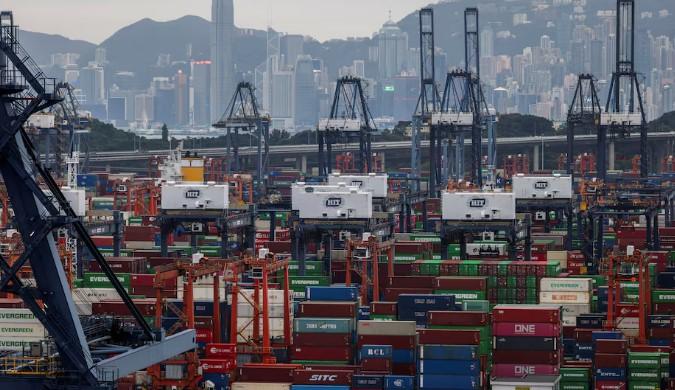
The statements on Wednesday came as Pakistan’s economy teeters on the brink of a financial crisis, with foreign exchange reserves drying up fast and the Pakistani rupee at record lows against the US dollar as uncertainty surrounded the IMF programme.
“Discussions between the IMF staff and the authorities on policies to strengthen macroeconomic stability in the coming year continue, and important progress has been made over the FY23 budget,” said IMF’s resident representative in Islamabad.
This month, Pakistan unveiled a 9.5 trillion rupee ($47bn) budget for 2022-2023, aiming for tight fiscal consolidation in a bid to convince the IMF to restart much-needed bailout payments.
However, the lender later said additional measures were needed to bring Pakistan’s budget in line with the key objectives of the IMF programme.
Finance minister Miftah Ismail stated that the two sides held talks on Tuesday night and agreed on the budget and fiscal measures but still need to agree on a set of monetary targets.
He did not expect any “hiccups” in the remaining talks and expected an initial memorandum on macroeconomic and financial targets and then an official agreement.
In April, Pakistan had sought an increase in the size and duration of the programme when Finance minister met with IMF officials in the US.
Pakistan entered the IMF programme in 2019, but only half the funds have been disbursed to date as the country has struggled to keep targets on track.
The last disbursement was in February and the next tranche was to follow a review in March, but the government of now-removed Prime Minister Imran Khan introduced costly fuel price caps that threw fiscal targets and the programme off track.
Pakistan’s new government has removed the price caps, with fuel prices going up at the pump by up to 70% in a matter of three weeks.
Earlier this week, the federal government ordered a range of businesses, from shopping malls to factories, to cut their operating hours to help curb energy demand, as Pakistan grapples with fuel shortages and blackouts.
The city’s administration also ordered hotels, cinemas, and wedding venues, among others, to close at set times between 9 pm and 11:30 pm for the next two months.
SOURCE: AL JAZEERA

Benn Jordan on Flock, privacy, and the new surveillance backlash
- 4 hours ago

World Iodine Deficiency Day is being observed today
- 3 hours ago
Corruption is finally breaking through to voters this time
- 11 hours ago

At least 10 killed in Rajanpur road mishap
- 3 hours ago

Meta and Apple team up to make Muse AI models run better on Macs
- 4 hours ago

Google is making inline links more prominent in AI responses
- 13 hours ago

Eight states sue OpenAI, saying ChatGPT isn’t safe for kids
- 13 hours ago

Sony’s WH-1000XM6 headphones are $130 off today only
- 13 hours ago

Apple’s HomeView has an app problem
- 13 hours ago

The Tesla Roadster could have stayed vaporware
- 13 hours ago
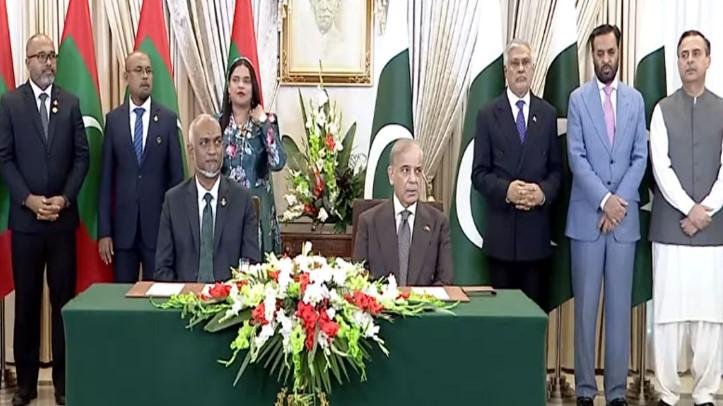
Pakistan, Maldives agree to enhance bilateral trade volume from $13mn to $200mn in next two years
- 3 hours ago
Star QB Jalen Hurts out for season after blood clots discovered in lungs...
- 12 hours ago