
The central bank identified higher food and core inflation as “key contributors” to elevated inflation

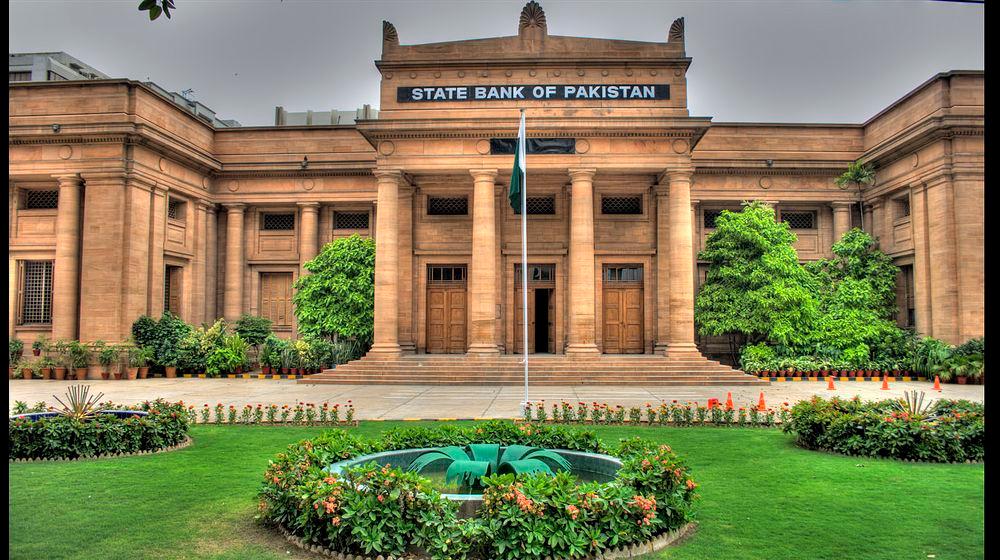
Karachi: The State Bank of Pakistan (SBP) on Friday increased the policy rate by 100 basis points (bps) to 16 per cent to curb inflation.
The announcement came after a meeting of the bank’s Monetary Policy Committee (MPC).
According to the central bank, the decision was aimed at ensuring that “elevated inflation does not become entrenched and that risks to financial stability are contained, thus paving the way for higher growth on a more sustainable basis”.
The SBP identified higher food and core inflation as “key contributors” to elevated inflation.
The bank maintained growth projections for the financial year 2023 and the current account deficit (CAD) the same as the last policy statement at 2pc and 3pc of GDP, respectively.
According to the SBP press release, the decision to raise the policy rate reflected the MPC’s view that “inflationary pressures have proven to be stronger and more persistent than expected”.
The MPC noted that amid the ongoing economic slowdown, inflation was “increasingly being driven” by persistent global and domestic supply shocks that were raising costs.
“In turn, these shocks are spilling over into broader prices and wages, which could de-anchor inflation expectations and undermine medium-term growth. As a result, the rise in cost-push inflation cannot be overlooked and necessitates a monetary policy response.
“The MPC noted that the short-term costs of bringing inflation down are lower than the long-term costs of allowing it to become entrenched. At the same time, curbing food inflation through administrative measures to resolve supply-chain bottlenecks and any necessary imports remains a high priority,” the press release reads.
Since its last meeting, the MPC had noted three key domestic developments, the press release added.
Firstly, it said that headline inflation increased “sharply” in October, as the previous month’s administrative cut to electricity prices was unwound, food prices also “accelerated significantly” due to crop damage from the recent floods and core inflation rose further.
Secondly, the MPC pointed out that a sharp decline in imports led to a “significant moderation” in the current account deficit in both September and October.
However, it added that external account challenges persist despite this moderation and fresh funding from the Asian Development Bank.
Thirdly, it said that while growth and CAD projections were reaffirmed at 2pc and 3pc, average inflation for FY23 was projected at 21-23pc due to higher food prices and core inflation.
UN Secretary-General Guterres to arrive in Pakistan tomorrow
- 3 hours ago
Israeli strike kills five, including four women, in Gaza, health officials say
- 2 days ago

OpenAI’s new agent is a shot at Meta — but can it compete with free?
- 2 days ago
How did the Cornell rape case go so wrong?
- 2 days ago

Pakistan's delegation to attend Makkah defence committee meeting in Riyadh today
- 5 hours ago

The secret to using AI without getting dumber
- 2 days ago

India beat Pakistan in final to complete cricket double
- 2 days ago

Gold prices plummet in Pakistan, global markets
- 2 days ago

More kids are using AI for companionship — and it’s making them lonely
- 3 days ago

Disney World solved a problem that could save America billions every year
- 3 days ago
ROMO OUT AT CBS AFTER DUI...
- 2 days ago
Civilian deaths: Pakistan lodges strong protest with India over border firing incident
- 2 days ago