I like short stories. I read them, and I write them. I grew up subscribing to and reading The Magazine of Fantasy and Science Fiction, Analog, Asimov’s, and a bunch of others, some genre, some not. And as I got older, I began to understand the financial tightrope that many of these independent periodicals walk — a tightrope funded by contributions, subscriptions, the occasional ad, and perhaps a second mortgage.
Technology
- Home
- Technology
- News
Amazon has ended its periodicals program, and independent publishers are panicking
Kindle Periodicals provided a way for independent publications to find and keep subscribers. But Amazon decided to drop it, and now genre magazines are scrambling to find income.

Published 3 years ago on Sep 8th 2023, 10:00 am
By Web Desk
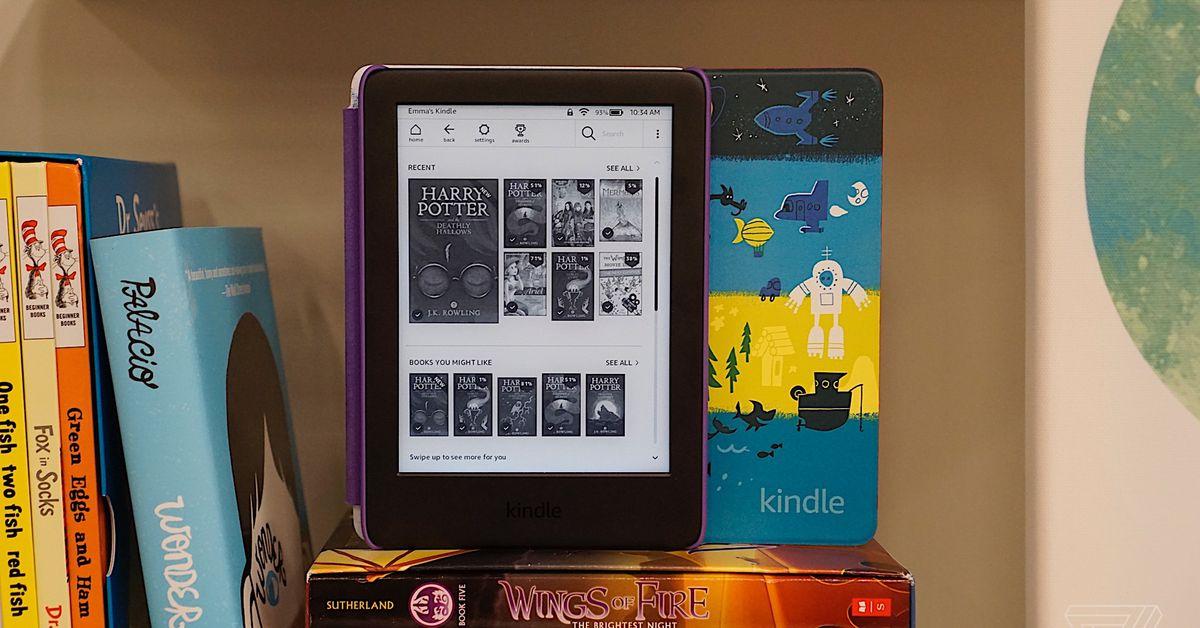
I also understood that any resource that makes it a bit easier for these pubs to find and keep readers — like the ability to gather subscribers through Amazon’s Kindle Periodicals program — can make all the difference in keeping the books (and their walk on that tightrope) balanced.
Until that resource goes away.

:format(webp)/cdn.vox-cdn.com/uploads/chorus_asset/file/24900585/Screenshot_2023_09_06_at_11.33.58_AM.png)
Last March, Amazon stated that it was dropping all of its print and Kindle magazine and newspaper subscriptions — a new policy that went into effect on September 4th this year. Since that announcement, independent publishers have been scrambling to figure out how to make up for the loss in income that would ensue when many of their subscribers would suddenly disappear. Subscribers who, according to Neil Clarke of Clarkesworld Magazine, could not be contacted directly and redirected to other subscription methods because “none of us know who these subscribers are.” Because they were subscribing through a third party: Amazon.
The result? A recent editorial in the August issue of Fantasy Magazine reads:
It is with real sadness that we have to announce that October 2023 will be our last issue. People will want to know why, of course, and the answer is the expected one: Unfortunately Fantasy never reached a point of paying for itself, and with the Kindle Periodicals mess it’s just not sustainable.
In other words, Fantasy Magazine fell off that tightrope.
It’s not all that surprising. As I mentioned above, many of the independent pubs that depended on Kindle Periodicals have loyal readerships, but compared to publications like The New York Times or even (dare I say it) The Verge, they have small staffs and even smaller budgets. Many are genre publications that sell to a specific audience: science fiction and fantasy, mystery, horror, romance, young adults, and so on. Under those conditions, if they can manage to break even after a couple of years, they’re doing very well.
So when today’s major retailer of reading material shrugs and says, “Hey, you’re on your own,” the tightrope begins to shake.
Some will regain their footing. Many, including Clarkesworld, have been invited to become part of Amazon’s Kindle Unlimited program, where people pay a monthly fee for access to books and “select” magazine subscriptions. Although even those who become part of Kindle Unlimited will not be seeing the same income as they did with straight subscriptions.
“Everyone has been scrambling to make up the difference in revenue,” Clarke explains. “While the impact will range from publication to publication, the cuts are significant enough to endanger many of them. At present, direct subscriptions, Weightless Books, and Patreon are where many of us are directing former Amazon subscribers to go.”
That will be hard. Locus, which covers the science fiction / fantasy / horror market, quotes Lynne Thomas, the editor of Uncanny, as saying, “This could not have come at a worse time for SFF periodicals since so many of us are also weathering the storms of reduced advertising revenue and the possible death of Twitter, which is vital for crowdfunding projects.”
(A curious follow-up detail: while Uncanny was not initially among those invited to join Kindle Unlimited, it did receive an invitation several weeks later. Why Amazon chose not to originally invite Uncanny and then to include it later — along, most likely, with other independent publications — is an interesting topic for speculation.)
I’m aware that a lot of the people reading this don’t buy subscriptions to publications — they put up with ads (or use apps to eliminate the ads) instead so that they can read online without having to pay anything out of pocket. And hey — me, too! I read a lot of free stuff online, so yeah, I get it.
But if you’re someone who, like me, enjoys reading short stories, genre or not — and especially if you have a favorite publication — it may be a good idea to find out how they support themselves and do what you can to help them stay on that tightrope.
Update September 7th, 10:21AM ET: This article was originally published on September 6th, 2023, and has been updated to add that Uncanny was eventually invited to join Kindle Unlimited and to add a quote from Neil Clarke of Clarkesworld.
Jack Dorsey’s Block made an AI model that talks to you like an awkward new friend
- 10 hours ago
Sure, let’s smoosh SpaceX and Tesla together, who cares
- 10 hours ago
Delta can turn the iPhone Duo into your favorite folding handheld
- 10 hours ago
PHP: The three little letters wreaking havoc across the web
- 10 hours ago
Microsoft shuts down its beloved maker space
- 10 hours ago
Trump is trying to overturn an election that hasn’t happened yet
- 17 hours ago

Trump says Sundar Pichai talked him out of renaming the Atlantic Ocean
- 10 hours ago
OpenAI now trains its frontier AI models with no internet access
- 10 hours ago

Samsung’s latest 55-inch Frame TV is down to its lowest price yet
- 10 hours ago
Should you let a chatbot manage your money?
- 17 hours ago

Agha back but no Rizwan for Pakistan following England debacle
- a day ago
Apple will label apps that are ‘Made for iPhone Duo’
- 10 hours ago
You May Like
Trending