
As I battled my way through God of War Ragnarök’s new roguelike expansion, Valhalla, I was dying to learn the next part of Kratos’ story — and that story is what’s made me push through even when the game got tough.
Technology
- Home
- Technology
- News
God of War Ragnarök: Valhalla uses an old genre to tell a new story
As I battled my way through God of War Ragnarök’s new roguelike expansion, Valhalla, I was dying to learn the next part of Kratos’ story — and that story is what’s made me push through even when the game got tough.

Published 3 years ago on Dec 27th 2023, 10:00 am
By Web Desk
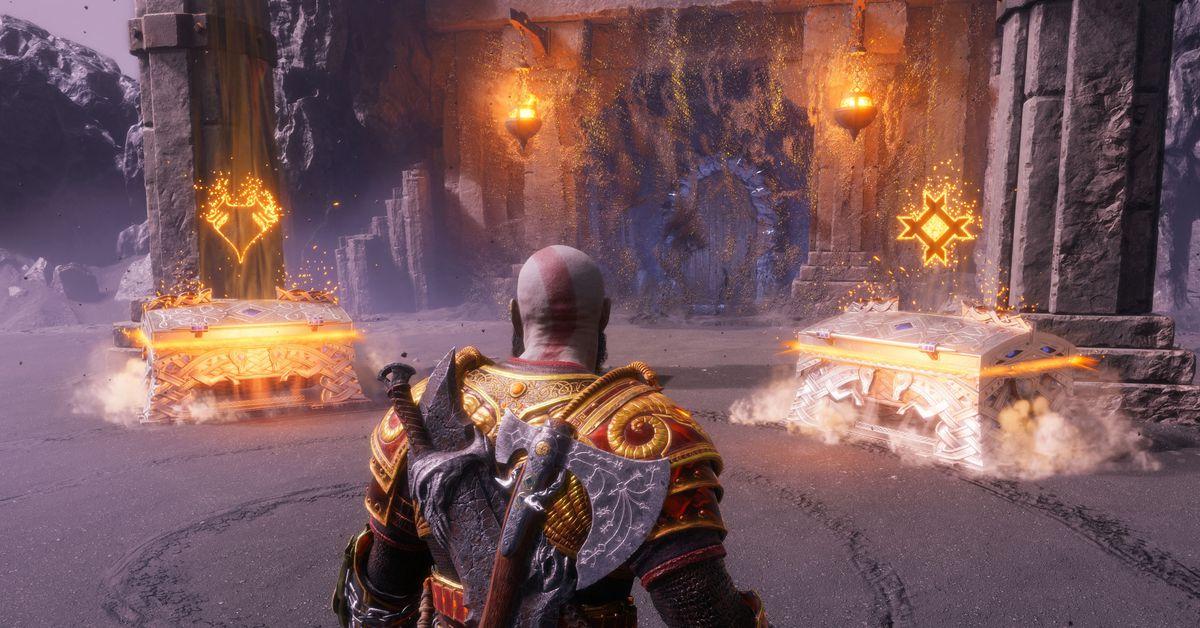
God of War’s recent entries — the 2018 reboot and Ragnarök — are renowned for their cinematic storytelling. The tight camera makes you feel like a direct observer to Kratos’ every move, and the excellent motion capture, writing, and voice acting make the characters of myth in the games seem like actual living beings. But Valhalla takes things one step further by using the structure of a roguelike — where you make attempt after attempt to overcome increasingly difficult challenges to beat the game — as a narrative tool to let Kratos grapple and come to terms with some of the worst parts of his past.
It’s a clever conceit. The roguelike trappings are all fairly standard: you’ll work through areas filled with monsters, collecting buffs and upgrades along the way, eventually reaching a final boss, and if you die, you start the whole thing over. However, as you make trips through Valhalla, Kratos and Mimir (and other characters) have deep, open discussions about Kratos’ past and what it means to live with some of the bad things that he has done.

:format(webp)/cdn.vox-cdn.com/uploads/chorus_asset/file/25174212/ebda1c1bf052bb66bad385dcd698892f1b73e7bc.jpg)
Image: Sony
If that all sounds like God of War: Therapy, you’re right! And as Kratos got a better grasp on his mind, I got a better grasp on playing the game. It all created a virtuous cycle that makes each run feel more meaningful than just chasing a high score. I also loved the dialogue that’s designed to keep Kratos (and you as the player) motivated. I’ve never had to face anyone in a battle to the death, but I’ve needed to explore the depths of my soul a few times to find motivation on marathon runs, so I’ve already noted a few of Valhalla’s snappy one-liners for the next time I hit the wall. One character literally tells Kratos to trust the process, and when they did, I broke out into a huge grin.
Sometimes I needed the extra motivation to play a mode that’s so focused on God of War’s complex combat. With things like three main weapons to manage, multiple types of shields, different “runics” (special powers) to pick from, a “rage” meter to keep an eye on, and dodges and parries to worry about, my brain sometimes short circuited to the point where I just started mashing buttons, which can mean a swift death. In most roguelikes, that would be enough for me to give up, but in Valhalla, the story provided the motivation I needed to keep going. (There are five difficulty modes you can pick from; I was on the second easiest, which is the game’s recommended option to start.)
However, sometimes, Valhalla uses the roguelike structure to gate your progress, which can make narrative sense but occasionally feels like a forced limit to give you something to strive for in another run. I am fine with the game’s justification as to why you need to fight the end boss more than once, as each completion moves Kratos further on his path toward healing and understanding. But some of the smaller stories you hear throughout — especially those from the valkyries who wait outside the gates of Valhalla — are very obviously broken up into chunks so that you have things to listen to over the course of the game. The breaks can feel video game-y in the way some Grand Theft Auto conversations just so happen to conclude right when you pull up to the next mission.
Recursive stories have become a trend in video games as of late. Hades, like God of War, pulls from mythology to tell stories about gods. Returnal uses its loops to explore the psyche of the main character. But it’s not just roguelikes; Outer Wilds’ loops let you explore an entire galaxy. Games of all types have embraced recursive storytelling as a narrative tool.
Valhalla is perhaps the biggest game to adopt the structure, and, like most roguelikes, playing it isn’t really about getting to the end. Instead, it’s about accepting that you can change yourself one step at a time. You just have to trust the process.

Communism in China and the changing world: from capitalist critique to socialism with Chinese characteristics
- a day ago
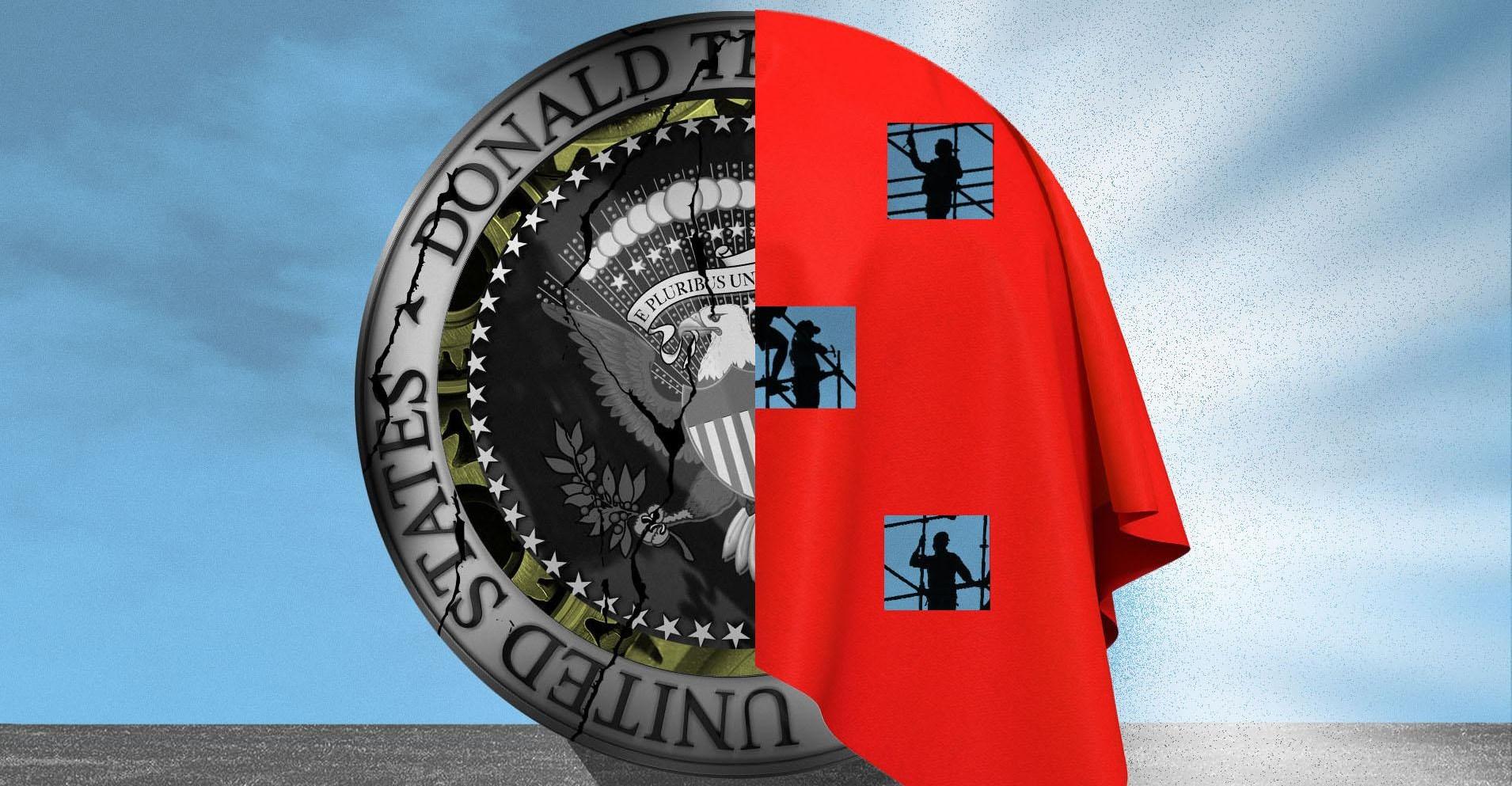
The radical Democratic plan to change the government for good
- 26 minutes ago

Musk says will give SpaceX share to 'every kid in America'
- a day ago
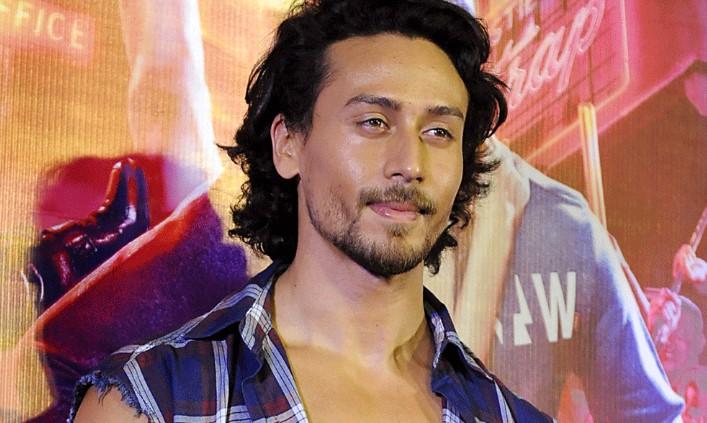
Bollywood actor Tiger Shroff shot at in Mumbai, three suspects held: police
- a day ago

Army officer martyred, four terrorists killed in Balochistan operations: ISPR
- a day ago
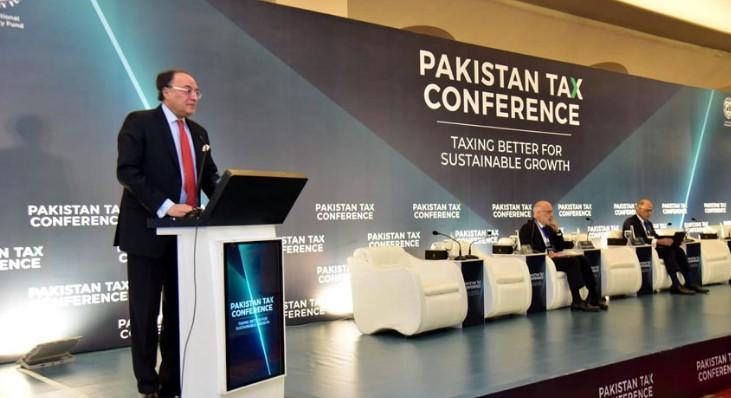
FinMin Aurangzeb reaffirms commitment to export-led economic growth
- 24 minutes ago
Jesse Eisenberg, Julianne Moore bring curtain down on London Film Festival with 'The Debut'
- 17 minutes ago

UK to deploy RAF Typhoon jets to defend Saudi cities from Houthi attacks
- 9 minutes ago

Security of Haramain al-Sharifain non-negotiable: DG ISPR
- a day ago

Field Marshal, Saudi envoy discuss regional security dynamics
- 20 hours ago

Can this Democrat crack the code for universal healthcare?
- 26 minutes ago
FIA offloads 2 passengers at Lahore airport over fake documents, tampered study visa
- 2 days ago
You May Like





Trending