Civilians’ military trials: ‘Crimes in Army Act apply to military officers'
Defense Ministry lawyer stated that SC has also declared Section (4) 59 of Army Act null and void

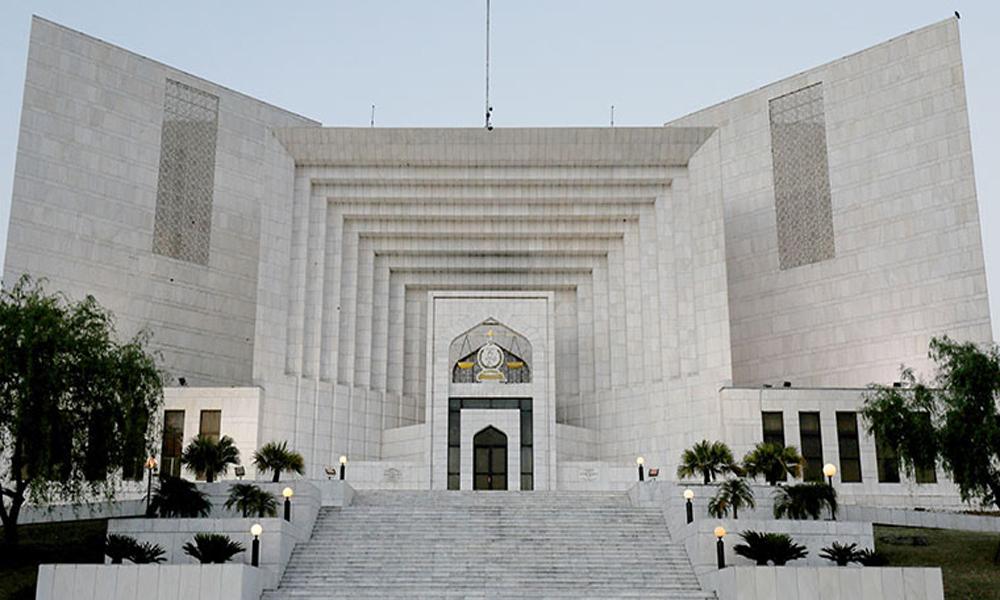
Islamabad: During the hearing of the intra-court appeal against the trial of civilians in military courts in the Supreme Court, Justice Jamal Mandokhel said in his remarks that all the offences contained in the Army Act will apply to military officers only.
A seven-member constitutional bench headed by Justice Aminuddin Khan is hearing the case, and Defense Ministry lawyer Khawaja Haris started the arguments.
During the hearing, Justice Aminuddin, while talking to Khawaja Haris, said that it would be appropriate to complete his arguments by tomorrow. Which cases were transferred to military courts and why, should be kept brief? If the judges have questions in this regard, would be considered at the end.
Defense Ministry lawyer Haris, while giving arguments, stated that the Supreme Court has also declared Section (4) 59 of the Army Act null and void. To which Justice Jamal said in his remarks that many crimes are also mentioned in the Army Act. According to the act, all crimes will apply to military officers.
Khawaja Haris replied that the Army Act will be seen in the context of sections 2D(1) and 2D(2) of the Official Secrets Act. The trial of civilians comes under section 31D of the Army Act.
Justice Jamal remarked that section 31D is related to inciting soldiers to prevent them from performing their duties. Khawaja Haris said that the constitution has also recognized military courts. Justice Jamal remarked that there is an order to stay away from prayers, but in a state of intoxication, whose case will go to military courts remains to be considered.
Justice Musarat Hilali remarked that the constitution also endorses many tribunals. It is only to be seen where and how which cases can be heard.
Justice Mandokhel inquired whether the military trial of civilians is called a court martial. To which Khawaja Haris said that military courts only do courts-martial.
Justice Musarat asked if an army officer suspends the constitution, is there a punishment for suspending the constitution in the Army Act? The lawyer for the Defense Ministry said that Article 6 of the Constitution provides for the punishment for suspending the Constitution and takes precedence over every law. The Act provides for the punishment for violating the oath.
Justice Jamal Mandokhel remarked that the judiciary continued to uphold martial law. Do judges also fall under the category of Article 6 for unconstitutional measures? Justice Muhammad Ali Mazhar said in his remarks that the names of judges were mentioned in the Pervez Musharraf case, but later in the high treason trial, the names of judges were removed.

JustWatch now streams TV shows and movies, too
- 20 hours ago

SpaceX will try catching Starship and its booster for first time, Musk says
- 20 hours ago
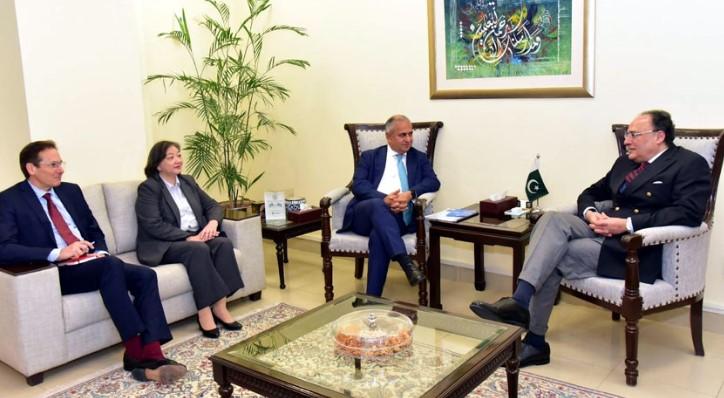
FinMin Aurangzeb, WB discuss Pakistan's economic reform agenda
- a day ago

PM Shehbaz sets illustrative wheat price at Rs4,500 per 40kg for 2027
- a day ago

Agha back but no Rizwan for Pakistan following England debacle
- 3 hours ago
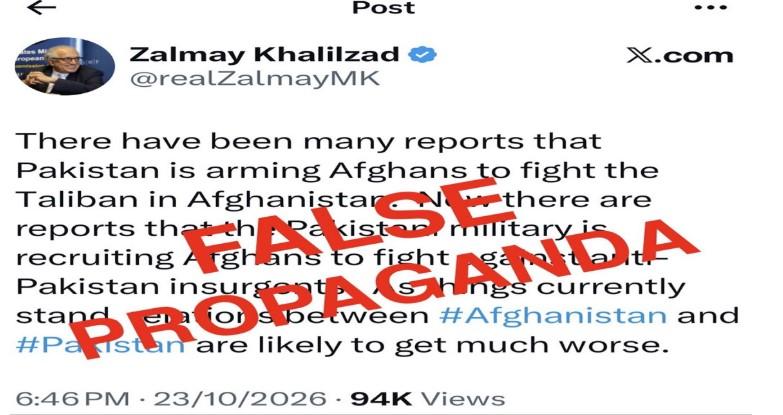
Pakistan rejects Khalilzad's allegations of arming Afghans
- 9 hours ago

Xbox Cloud Gaming’s pay-as-you-go option starts at $3.99 for 10 hours
- 11 hours ago
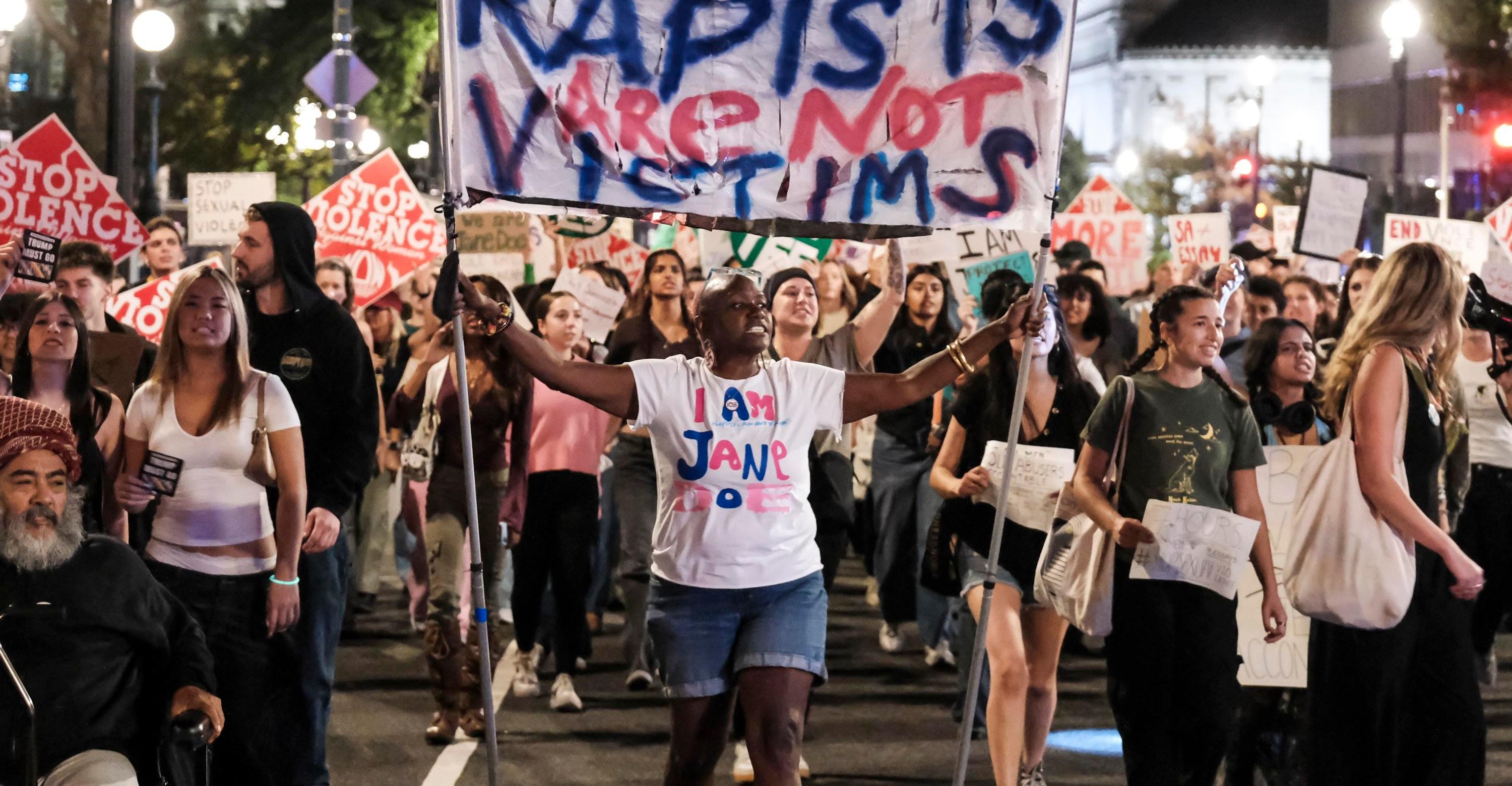
Colleges can do more to prevent sexual assault. Here’s where to start.
- 18 hours ago
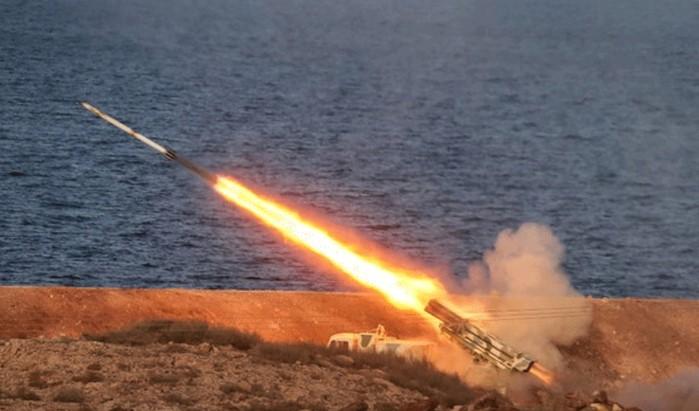
Saudi forces say intercepted two Houthi missiles targeting Yanbu, Taif
- 8 hours ago
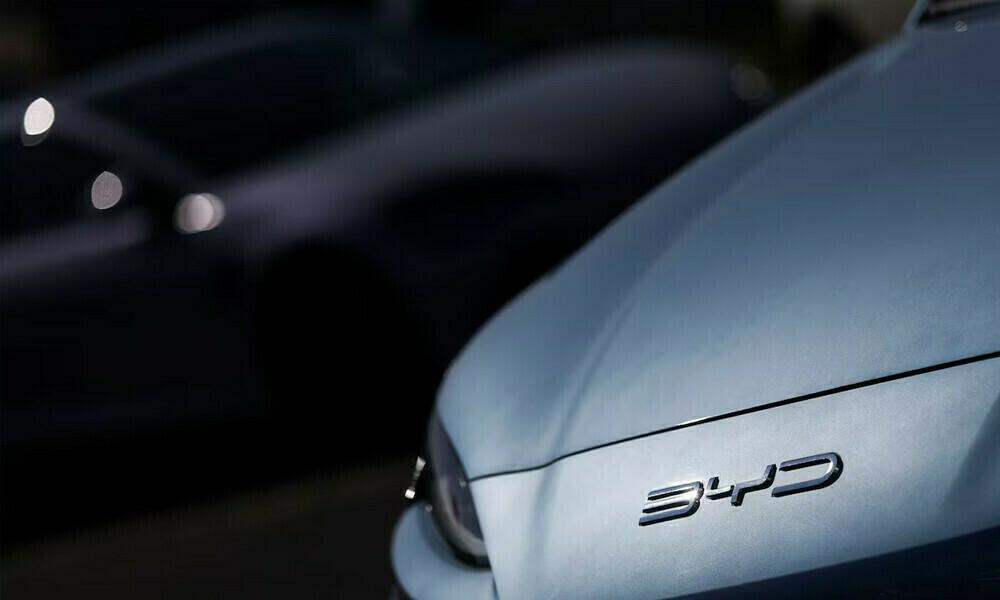
US military bans BYD vehicles from strategic air base in Japan
- a day ago
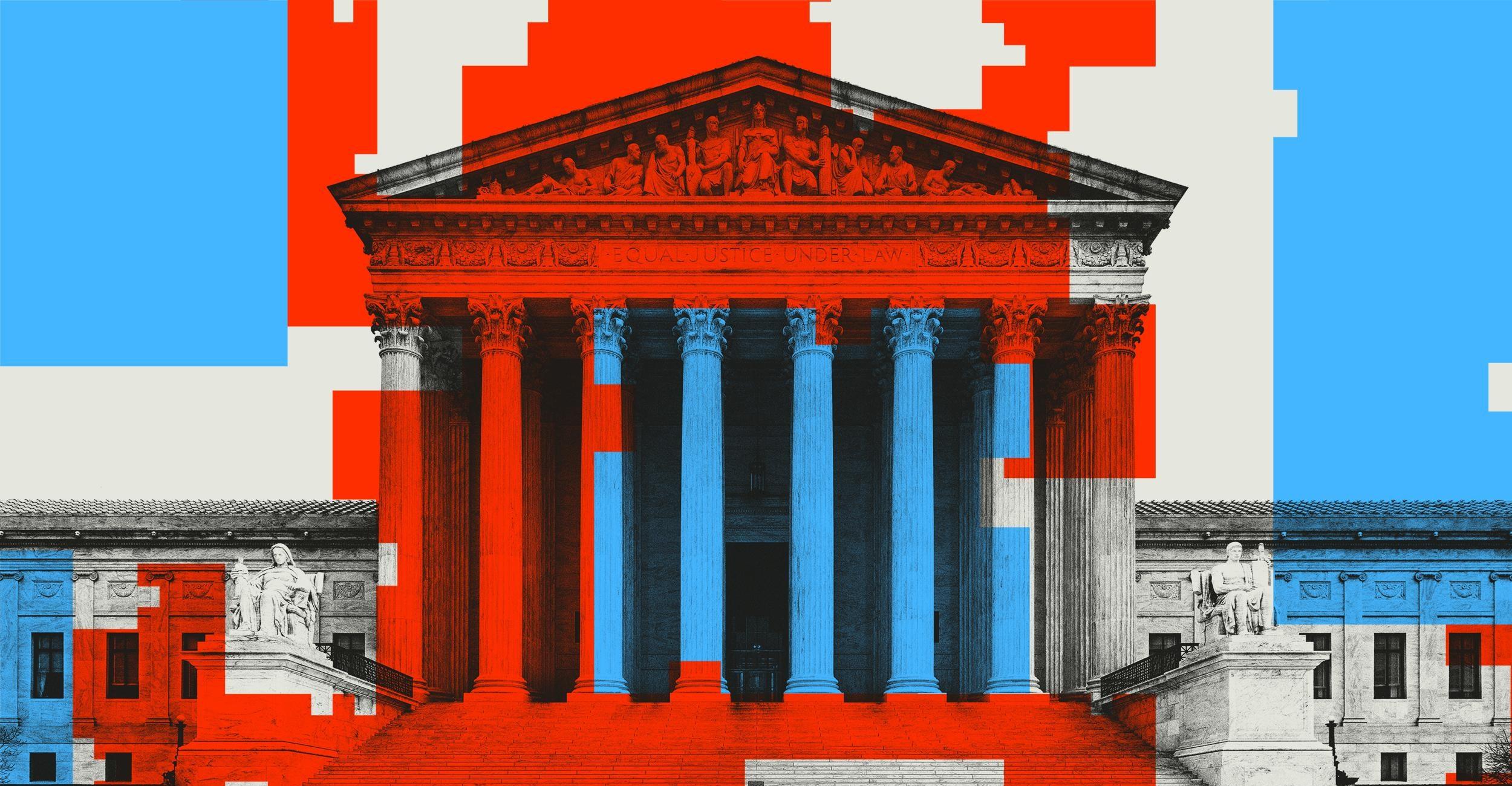
How to ban gerrymandering when the Supreme Court is stacked against you
- 18 hours ago
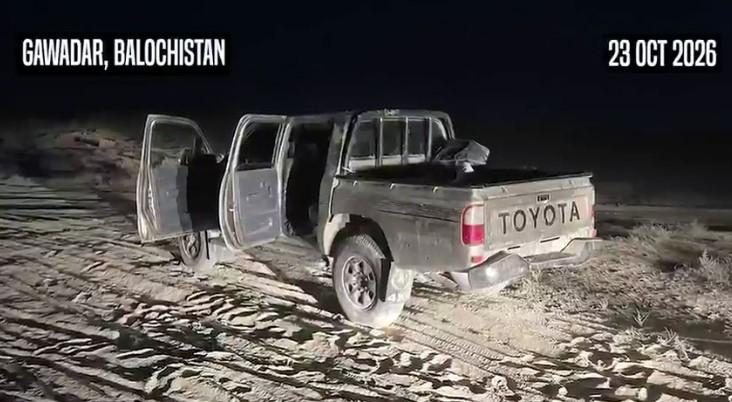
10 terrorists, including one female, killed in Gwadar: ISPR
- a day ago