He never lost his military bearing and swagger, bragging many times "No soft jobs for Ramos."


Manila: Former Philippine President Fidel Valdez Ramos, who died on Sunday, was a fighter during wars in Korea and Vietnam and a survivor in the political arena, emerging from a high-ranking security role during the dictatorship of Ferdinand Marcos Sr to win the vote for the nation's highest office. He was 94.
Ramos became a hero to many for defecting from Marcos' government, where he led the national police force, spurring the dictator's downfall during the 1986 popular uprising against his rule.
Others, though, would not forgive or forget his role in enforcing martial law under the Marcos regime.
Ramos, famous in later years for holding unlit cigars, narrowly won a contested election in 1992 to replace the People Power leader Corazon Aquino who unseated Marcos. Though he gained less than 23% of the vote, Ramos soon polled at 66% support and his presidency was remembered for a period of peace, stability and growth.
"Our family shares the Filipino people's grief on this sad day. We did not only lose a good leader but also a member of the family," Marcos' son, the recently elected President Ferdinand Marcos Jr, said in a statement.
"The legacy of his presidency will always be cherished and will be forever enshrined in the hearts of our grateful nation."
Known as FVR, Ramos attended the U.S. Military Academy at West Point and fought in the Korean War in the 1950s as a platoon leader. He served in the late 1960s in Vietnam as a leader of the Philippine Civil Action Group.
Ramos held every rank in the Philippine army from second lieutenant to commander-in-chief. He never lost his military bearing and swagger, bragging many times "No soft jobs for Ramos."
The former diplomat's son became the only Methodist leader of the mainly Roman Catholic country.
His six-year administration opened the country's economy to foreign investment through deregulation and liberalisation policies.
Ramos broke up monopolies in the transportation and communications sectors. Through special powers granted by Congress he restored the ailing electricity sector, ending debilitating 12-hour power outages that plagued the country.
During his tenure, the economy surged and poverty rates fell to 31% from 39% through his Social Reform Agenda.
Ramos fought right-wing, leftist and Islamic rebels during his time in the military, but later held peace talks with all "enemies of the state", including rogue soldiers who attempted nearly a dozen times to unseat Aquino during her tenure.
He signed a peace agreement with the Islamic separatists of the Moro National Liberation Front in 1996 and succeeded in shrinking the number of Maoist-led guerrillas to more than 5,400 rebels from a high of 25,000 in early 1986.
Ramos was a multi-tasking workaholic and athletic leader. When he was military chief, he would play golf and jog at the same time, running after his ball. His early morning jog was legendary among his staff officers and even at 80, he would jump to reenact what he did during the revolt in 1986.
SOURCE: REUTERS

What happens when a blue state votes on trans sports?
- 15 hours ago

How freaked out should you be about Trump’s plot to disrupt mail voting?
- 15 hours ago

World food prices at highest since 2022 as supply risks mount, FAO says
- 4 hours ago

Meta suddenly cares about kids
- 15 hours ago
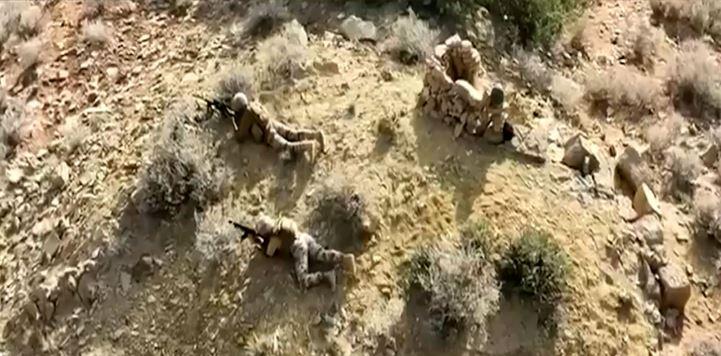
48 terrorists killed in multiple operations across Balochistan: ISPR
- 2 hours ago

Sony’s new party speakers have more bass, more LEDs, and more connectivity
- 17 hours ago

Acer’s new MacBook Air rival is nearly a pound lighter than Apple’s laptop
- 17 hours ago

Welcome to the September issue of The Highlight
- 6 hours ago

Ex-Pakistan coach Gillespie tells Aaqib Javed to 'look in the mirror' over cricket team sackings
- 7 hours ago
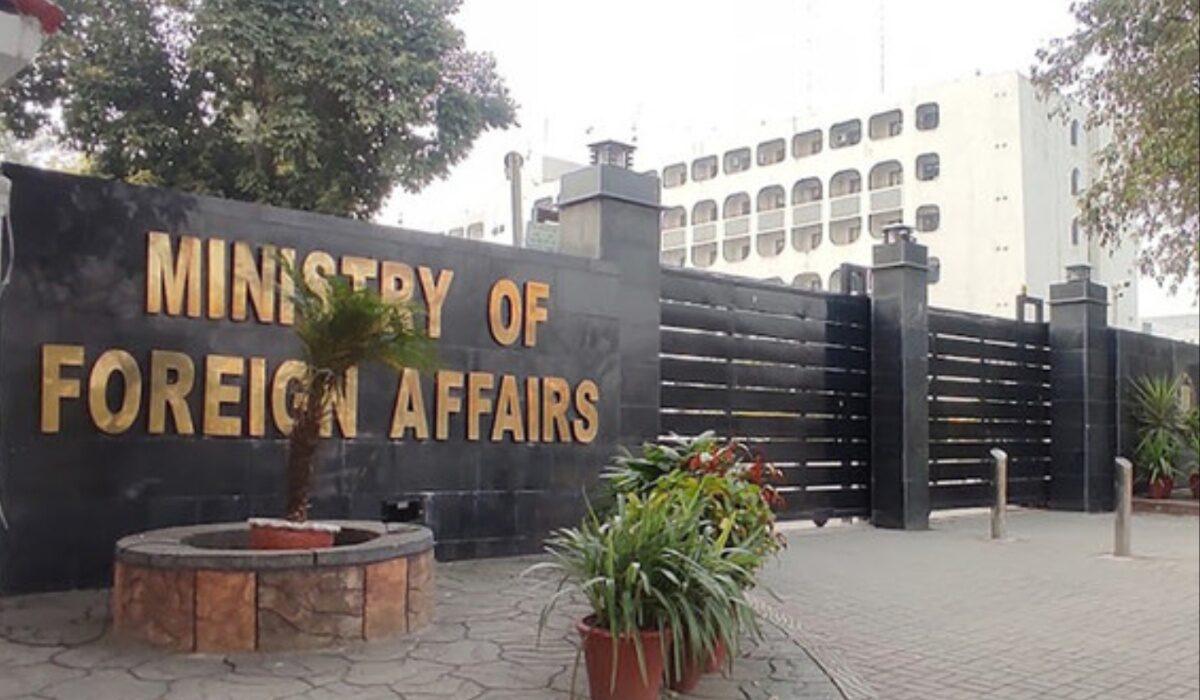
Pakistan rejects Indian false, politically motivated assertions about Hindu temple in Narowal
- 8 hours ago

The amazing USB-C gadgets that play old Nintendo cartridges
- 17 hours ago

Google Pics is like Canva, but with even more AI
- 17 hours ago