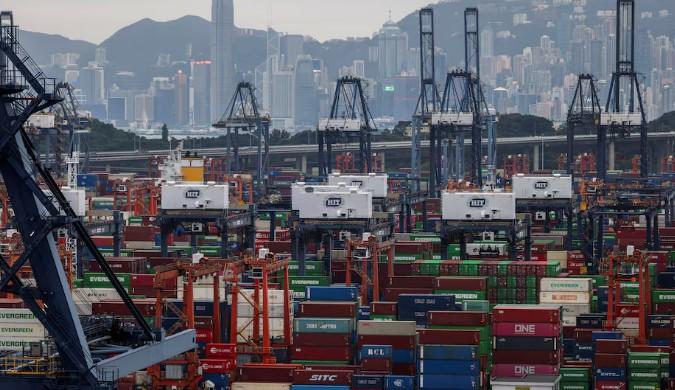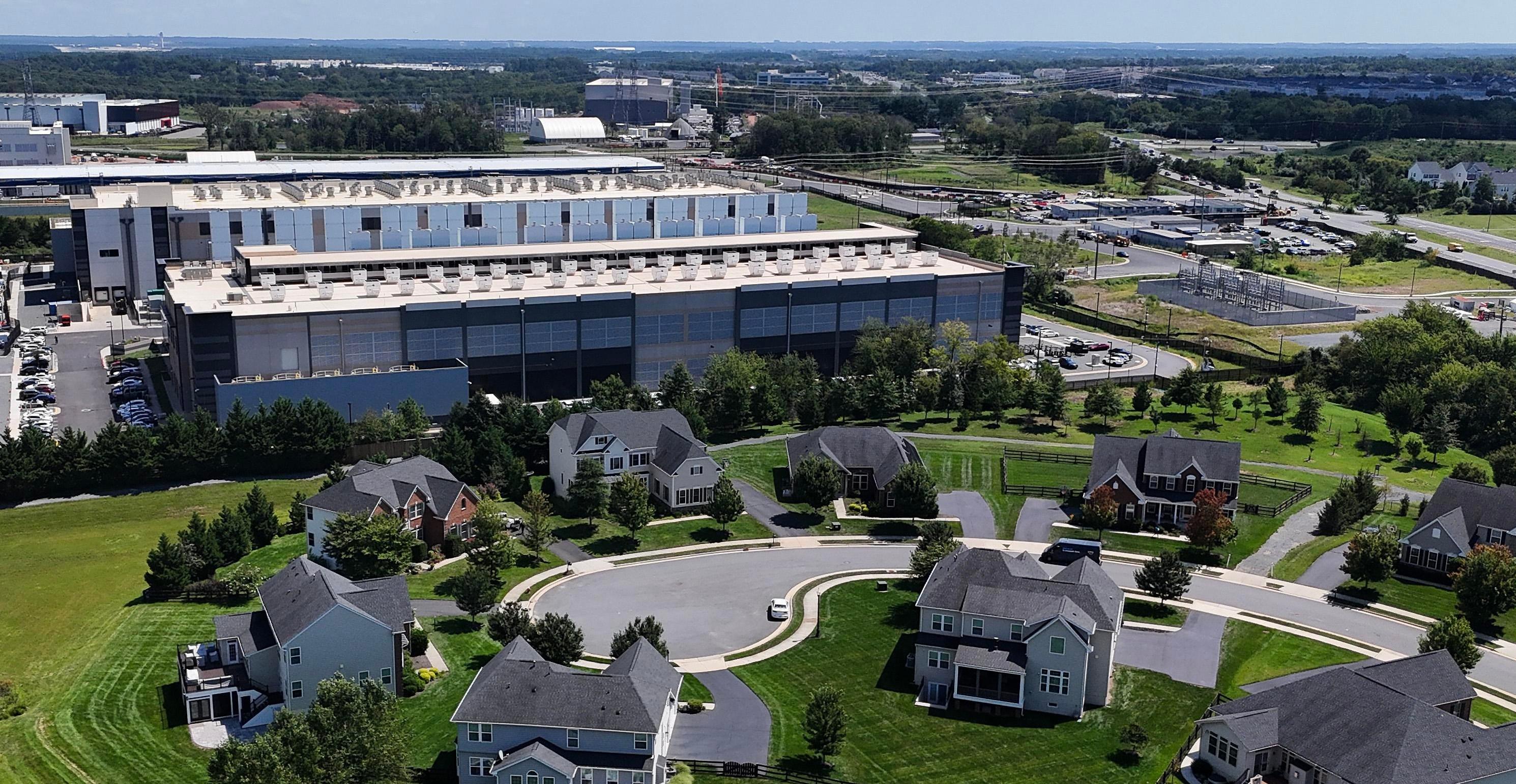
Rising costs and supply shortages are making it even harder for farmers to maintain profitability, contributing to higher food prices and increasing food insecurity

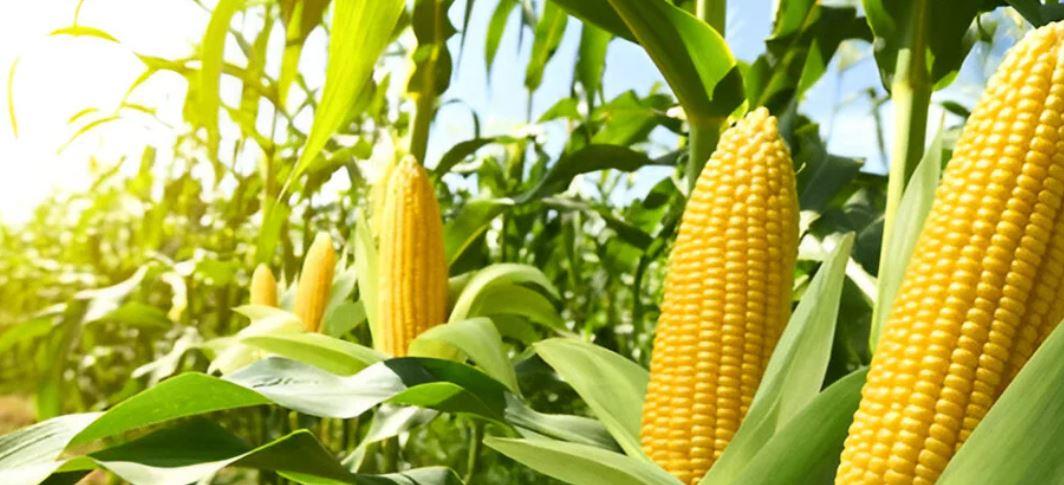
Wasif Mahmood
The ongoing tensions between Iran and the United States are making headlines, but their effects are reaching far beyond military or diplomatic spheres. As the situation intensifies, the impact on global energy markets is becoming more pronounced. Concerns over the potential disruption of crucial shipping lanes, such as the Strait of Hormuz, are affecting fuel prices and global trade flows.
For countries like Pakistan, which rely heavily on energy imports, these disruptions aren’t just theoretical, they are already playing out, straining an already fragile economy.
Pakistan’s agricultural sector, in particular, is feeling the pressure. Farmers depend on energy for irrigation, fertilizer production, and the transport and storage of their crops. With energy prices rising because of global instability, the cost of agricultural inputs is skyrocketing, squeezing farmers and driving up the cost of food production.
This convergence of rising costs and supply shortages is making it even harder for farmers to maintain profitability, contributing to higher food prices and increasing food insecurity.
In this challenging environment, the need for agricultural innovation has never been more pressing. As climate change puts additional stress on crop production, and as energy prices remain high, Pakistan’s agricultural sector must adapt to stay competitive. The question is no longer whether the country can afford to embrace innovation, it’s whether it can afford to delay it any longer.
The debate over genetically modified (GM) maize has become central to this conversation. What was once seen as a niche discussion is now a matter of national importance. With the poultry industry heavily reliant on maize for animal feed, disruptions in maize production have far-reaching consequences, directly affecting food prices and food security.
GM maize has the potential to increase yields, reduce losses from pests like fall armyworm, and help farmers cope with unpredictable weather patterns, all crucial for maintaining a stable food supply amid growing global uncertainties.
Maize is rapidly becoming Pakistan’s second most important cereal crop after wheat. This growth is largely driven by the booming poultry and livestock sectors, which rely on maize as an affordable source of animal feed to meet the demands of a growing population.

The country produces around 10-11 million tonnes of maize annually, and nearly 65-70% of it is consumed by the poultry industry. However, maize's direct use for human consumption remains limited, estimated at only 6-7 kilograms per person per year. Maize is mainly used for animal feed, industrial processing, and starch production, rather than as a staple food.
As domestic consumption rises alongside production, any disruptions in maize supply are quickly felt. Higher poultry prices, for example, ripple out to affect the cost of living, contributing to broader food inflation. Strengthening maize productivity is thus crucial not only for maintaining food security but also for keeping prices stable in an increasingly unpredictable world.
Dr. Rashid Ahmad, Executive Director of CropLife Pakistan Association, has emphasized that biotechnology could play a pivotal role in improving agricultural productivity and ensuring food security. “Biotech traits in cotton are already welcomed in Pakistan,” he said.

“With cabinet approval, commercialization will soon be allowed for nine crops, including maize. Legislation for gene-edited crops is being developed to ensure these innovations align with international standards.” He believes that updating the regulatory framework could pave the way for expanding biotech innovations beyond cotton, offering new solutions for critical crops like maize.
While Pakistan is still debating the future of agricultural biotechnology, other countries have already made significant strides. The Philippines, for example, is a leader in Southeast Asia when it comes to regulating GM crops. Through a coordinated risk assessment framework involving multiple agencies, the country has successfully introduced GM crops while ensuring biosafety.
Filipino farmers have been able to adopt modern agricultural technologies with the support of institutions like the International Rice Research Institute (IRRI) and global seed companies such as Syngenta, Corteva, and Bayer.
Other ASEAN nations, including Vietnam, Indonesia, and Singapore, have also developed transparent and science-based biotechnology policies that balance innovation with trade and consumer protection. Vietnam’s adoption of GM maize to meet livestock feed demand is particularly relevant to Pakistan, where the poultry sector depends heavily on maize. Meanwhile, India has taken steps toward biotechnology adoption in crops like cotton and soybeans, adding to the regional momentum toward agricultural modernization.
On a global scale, biotechnology is already making a significant impact. Dr. Rhodora Romero-Aldemita, Executive Director of ISAAA, pointed out during the 18th Pan-Asia Farmers Exchange Program in March 2026 that, “Between 1992 and 2024, 534 GM crop events were approved globally, including 209 maize events featuring traits like herbicide tolerance and insect resistance.”

These advancements are helping farmers manage risks and improve yields in ways that traditional breeding methods can’t match. Dr. Aldemita added that gene-editing technologies, which are faster and more precise than conventional methods, could help meet the food demands of a growing global population by 2050.
One of the key hurdles in adopting GM maize in Pakistan is the lack of regulatory certainty. Without clear approval timelines, coordinated institutional roles, and predictable biosafety procedures, innovation stalls. This leaves Pakistani farmers at a disadvantage compared to their counterparts in neighboring countries, who already have access to advanced agricultural technologies.
Dr. Rashid Ahmad points out that biotech innovation is essential for helping farmers deal with challenges like climate change and pest outbreaks. For farmers in Pakistan, biotechnology is not just a theoretical discussion; it’s a practical tool for managing risk. “Biotech seeds, including GM maize, could significantly help in managing rising production risks, especially in the face of unpredictable weather patterns and pest infestations,” he said.
In response to this need for innovation, the Ministry of National Food Security and Research (MNFS&R) initiated a comprehensive process to address biotechnology policy, which has included years of field evaluations and regulatory review. In 2023, the government proposed a national biotechnology policy, which is now under consideration by the Federal Cabinet. This framework offers a structured approach for advancing agricultural biotechnology, positioning Pakistan at a pivotal moment in shaping the future direction of the sector.
Pakistan is now at a critical crossroads. The decision regarding GM maize and the broader biotechnology policy is not just an administrative issue; it’s a strategic one. With growing population pressures and neighboring countries accelerating innovation, Pakistan’s next move will shape its future in global food systems. A science-based approach to biotechnology could boost research, enhance seed quality, strengthen feed security, and support more climate-resilient farming practices.
However, continued uncertainty could leave Pakistan behind, widening the technological gap between local farmers and their regional competitors. As climate change, geopolitical instability, and food demand continue to challenge agricultural systems worldwide, delaying decisions on biotechnology could put Pakistan at a disadvantage.
The global geopolitical situation, rising energy costs, and the increasing demand for food all point to the same conclusion: agricultural innovation in Pakistan is no longer a luxury, it’s a necessity. Technologies like GM maize offer a way to stabilize production, increase yields, and ensure food security in an unpredictable world.
As Pakistan’s policymakers deliberate, it’s crucial to consider the lessons from other countries that have embraced biotechnology. The need for regulatory clarity and timely decision-making has never been more urgent. Pakistan’s decision on GM maize will be a defining moment, signaling whether the country is ready to invest in a resilient agricultural future or whether it will continue to fall behind in the race for food security.

--- The writer has expertise on core issues of business, agriculture, food and livestock and governance in Pakistan.

President Zardari and PM Shehbaz 'agree' on imposition of emergency in KP: sources
- 2 days ago

Who are the violent Israeli settlers in the West Bank?
- 2 days ago
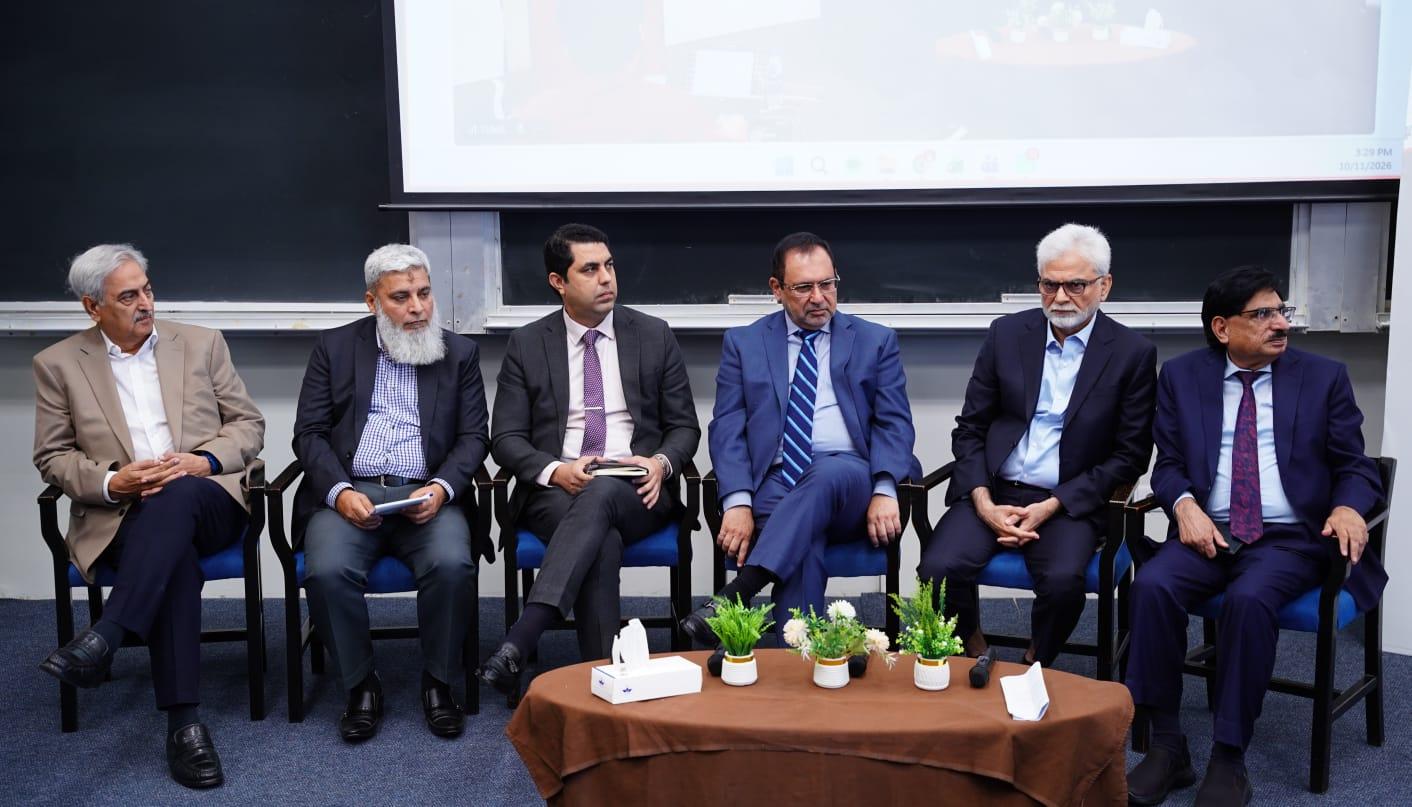
LUMS workshop pushes power sector indigenisation
- 4 hours ago

Closure of Riyadh airport extended after deadly Houthi strike
- 4 hours ago

Pakistan calls for immediate de-escalation of Ukraine conflict
- 2 days ago
FinMin Aurangzeb reaffirms support for V20's climate finance agenda
- 8 hours ago

Disney Plus will stream Super Bowl LXI
- 2 days ago
Pakistan, IMF reaffirm commitment to macroeconomic stability
- 8 hours ago

Mushshak training aircraft crashes near Quetta; two pilots martyred
- 9 hours ago
UPDATE: DITKA DEAD AT 86...
- 2 days ago
Agriculture Journalists Association elects new leadership
- 4 hours ago

Rear Admiral Shifaat Ali Khan promoted as Vice Admiral
- 8 hours ago