The OPEC, meanwhile, cut its forecast for global oil demand growth this year and next, citing economic headwinds

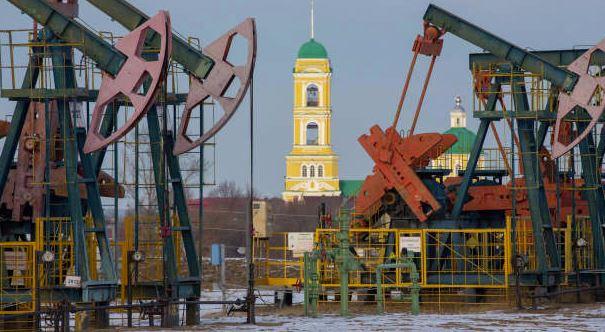
Oil prices fell by $2 on Monday, dragged down by a firmer U.S. dollar while surging coronavirus cases in China dashed hopes of a swift reopening of the economy for the world's biggest crude importer.
Brent crude futures were down $2.25, or 2.5%, at $95.23 a barrel by 12:00 p.m. EST (1700 GMT) after gaining 1.1% on Friday. WTI crude futures fell $2.25, or 2.0%, to $88.03 after advancing 2.9% on Friday.
Commodities prices rallied on Friday after China's National Health Commission adjusted its COVID prevention and control measures to shorten quarantine times for close contacts of cases and inbound travellers.
But COVID-19 cases climbed in China over the weekend, with Beijing and other big cities on Monday reporting record infections.
"The surge in COVID cases will only lead to more lockdowns in the near term...for now China is not a source of bullish support for the petroleum complex," said John Kilduff, partner at Again Capital LLC in New York.
The U.S. dollar also rose against the euro and yen on Monday, as investors eyed potential future U.S. Federal Reserve interest rates hikes after a policymaker said too much was being made of last week's cooler U.S. inflation data.
A stronger dollar makes dollar-denominated commodities more expensive for holders of other currencies and tends to weigh on oil and other risk assets.
The Organization of the Petroleum Exporting Countries (OPEC), meanwhile, cut its forecast for global oil demand growth this year and next, citing economic headwinds.
Separately, U.S. Treasury Secretary Janet Yellen on Friday said that India can continue buying as much Russian oil as it wants, including at prices above a G7-imposed price cap mechanism, if it steers clear of Western insurance, finance and maritime services bound by the cap.
Also weighing on oil was dollar strength after comments from U.S. Federal Reserve Governor Christopher Waller, who said on Sunday that the Fed could consider slowing the pace of rate increases at its next meeting, but that should not be seen as a softening in its commitment to lower inflation.
"There is still a long way to go, though, and much of the world won't be so lucky ... but further signs of inflation peaking will no doubt be welcome," said Craig Erlam, senior market analyst at OANDA.
SOURCE: REUTERS

Cyberpunk 2077’s update for Edgerunners 2 brings mods to PS5, Switch 2, and Xbox
- 8 hours ago
This Democrat’s accountability plan has Trump fuming
- 6 hours ago

The Cornell rape case has surfaced a hidden divide among progressives
- 6 hours ago

GM promises smarter cars, faster updates, and autonomous dry-cleaning runs
- 8 hours ago

How the biggest renewable energy project in US history finally got built
- 6 hours ago

Conversational Gemini navigation comes to Apple CarPlay
- 8 hours ago

Meta ordered to pay $25 billion in penalties over the Cambridge Analytica scandal
- 8 hours ago

PM calls for promoting Pak-Maldives trade, investment ties
- 12 hours ago
Russia released a US prisoner. What did they get out of it?
- 6 hours ago

PHP: The three letters that shut down sites all over the internet today
- 8 hours ago

Pakistan, EU agree to cement counterterrorism cooperation
- 18 hours ago
What Christina Applegate’s misdiagnosis reveals about MS
- 6 hours ago