NGC, LUMS to host national workshop on power sector indigenization road map
Event will feature official launch of Pakistan’s first Power Equipment Manufacturing Dashboard

Lahore: The National Grid Company (NGC) of Pakistan (formerly NTDC), in collaboration with LUMS Energy Institute, will host the National Consultative Workshop on the Power Sector Indigenization Road Map on Saturday at LUMS Lahore.
Federal Minister for Energy (Power Division) Sardar Awais Ahmed Khan Leghari will grace the occasion as Chief Guest, while Chairman Pakistan Engineering Council, Engr. Waseem Nazir will address the gathering and highlight the role of regulatory body in accelerating industrial localization.
Dr. Fiaz Ahmad Chaudhry, Chairman Board of Directors NGC and Senior Advisor at LUMS Energy Institute, stated “This workshop aims to bring together leaders from the power sector, local manufacturers, regulatory authorities and academia to chart out a unified and actionable roadmap to strengthen Pakistan’s electrical equipment manufacturing ecosystem.”
As part of this initiative, the event will feature the official launch of Pakistan’s first Power Equipment Manufacturing Dashboard, a real-time digital platform designed to track localization progress, map vendor capacity, and identify strategic investment opportunities. This tool is developed by the LUMS Energy Institute and will become a cornerstone of the Power Sector Indigenization Plan (PSIP).
The workshop features distinguished speakers and participants, including the Chairman WAPDA, Managing Director PPMC, CEO K-Electric, Chairman BoDs of DISCOs, CEO CPPA-G and other senior representatives from government, industry, and regulatory institutions. The forum will host expert-led discussions on the challenges and potential of localizing key electrical equipment across the generation, transmission, and distribution segments. Special sessions will evaluate the capability of local manufacturers to meet national demand, with stakeholder recommendations to be presented directly to decision-makers for actionable outcomes.
This timely initiative aligns with Pakistan’s ongoing energy reforms under the National Electricity Plan 2023-2027, which emphasizes reducing import dependency and promoting indigenous capabilities. With the collaboration of public institutions, industry, and academia, the consultative workshop is expected to contribute significantly to building a self-reliant and sustainable energy infrastructure.
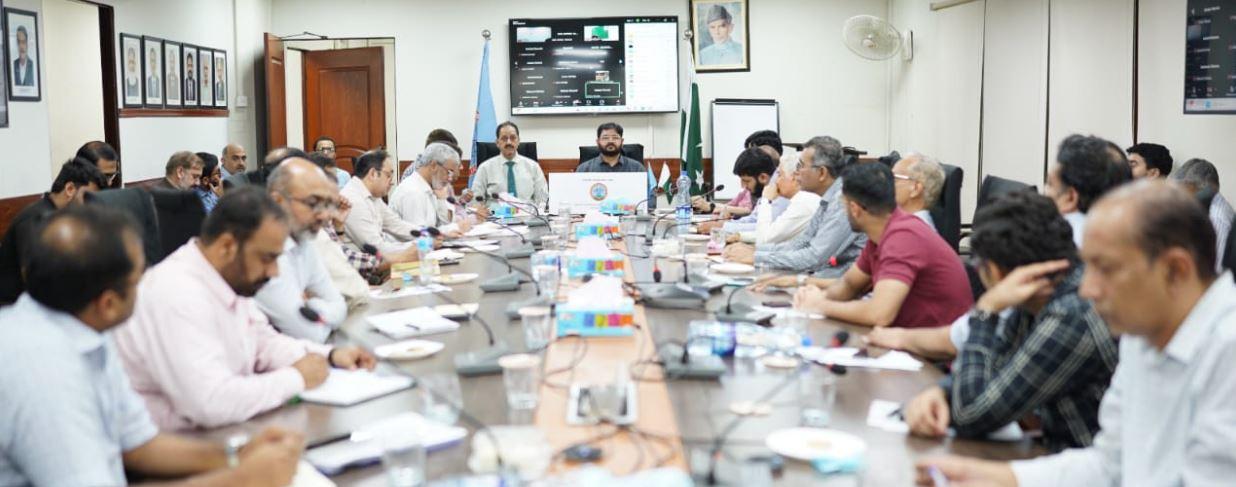
On the directions of Managing Director NGC, Engr. Muhammad Waseem Younas, a pre-meeting with contractors and stakeholders was convened by Engr. Dr. Khawaja Riffat Hassan, DMD (P&E) and DMD (AD&M) Engr. Rasheed A. Bhutto, at WAPDA House, Lahore. Their feedback and insights were also incorporated in the preparation for the National Consultative Workshop.
The LUMS Energy Institute is a nationally recognized think tank dedicated to accelerating Pakistan’s transition towards sustainable and secure energy system. Through data-driven analysis, interdisciplinary research, and strategic policy design, LEI engages with government entities, industry leaders, and global institutions to shape evidence-based solutions for the country’s energy future.
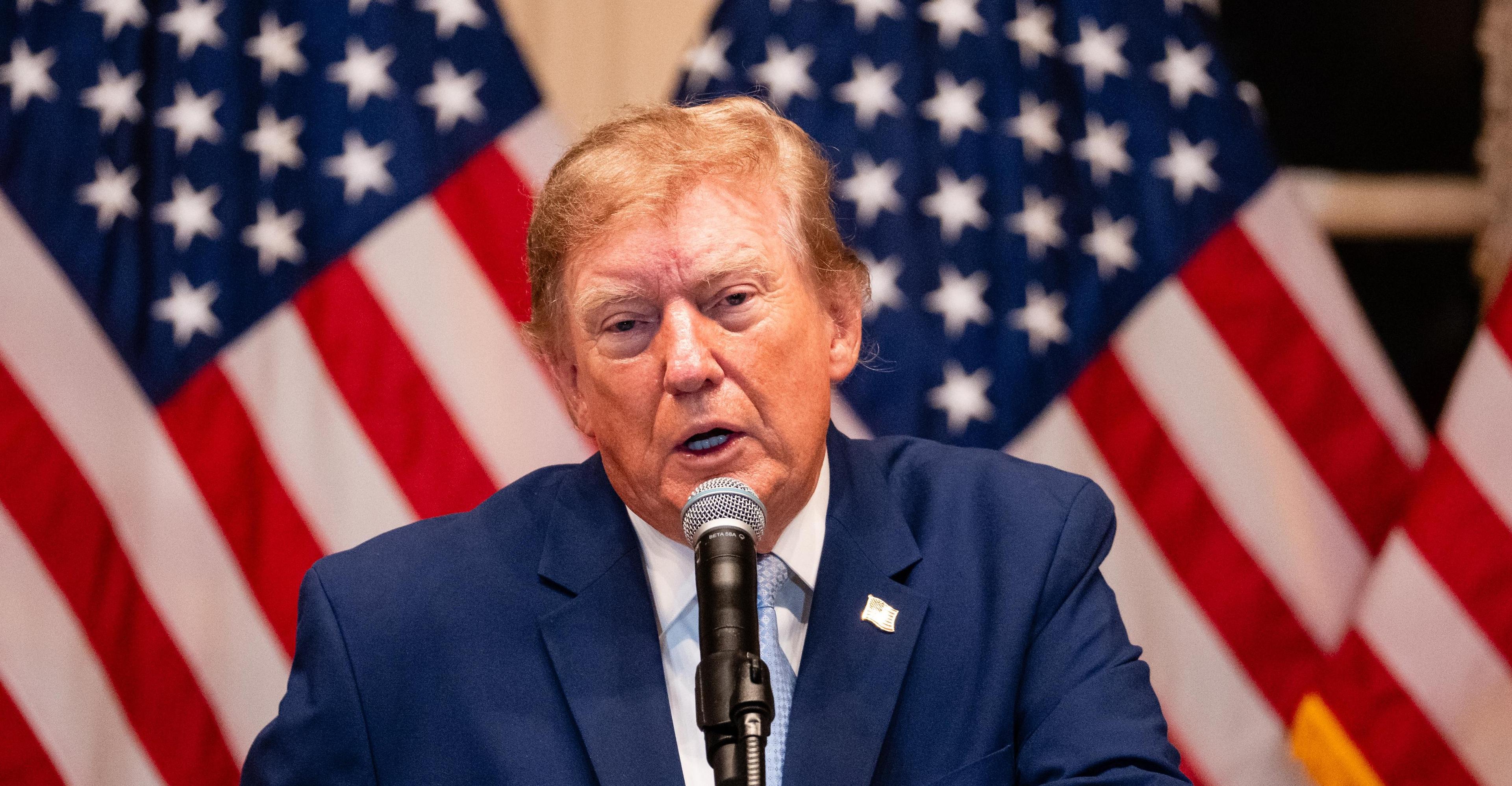
Russia released a US prisoner. What did they get out of it?
- 10 hours ago
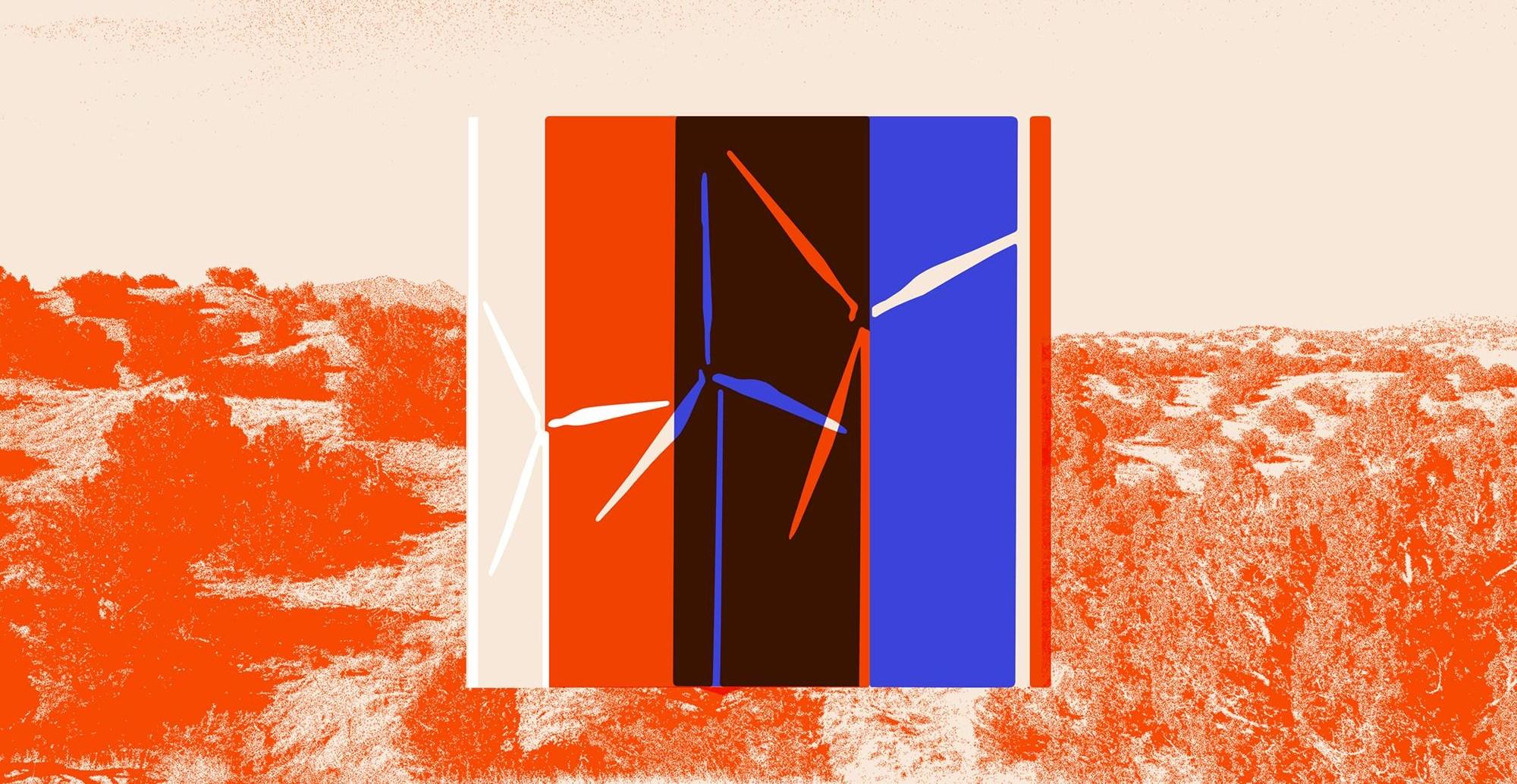
How the biggest renewable energy project in US history finally got built
- 10 hours ago

Meta ordered to pay $25 billion in penalties over the Cambridge Analytica scandal
- 12 hours ago

GM promises smarter cars, faster updates, and autonomous dry-cleaning runs
- 12 hours ago

PHP: The three letters that shut down sites all over the internet today
- 12 hours ago

What Christina Applegate’s misdiagnosis reveals about MS
- 10 hours ago

The Cornell rape case has surfaced a hidden divide among progressives
- 10 hours ago

This Democrat’s accountability plan has Trump fuming
- 10 hours ago

Cyberpunk 2077’s update for Edgerunners 2 brings mods to PS5, Switch 2, and Xbox
- 12 hours ago

US military bans BYD vehicles from strategic air base in Japan
- an hour ago
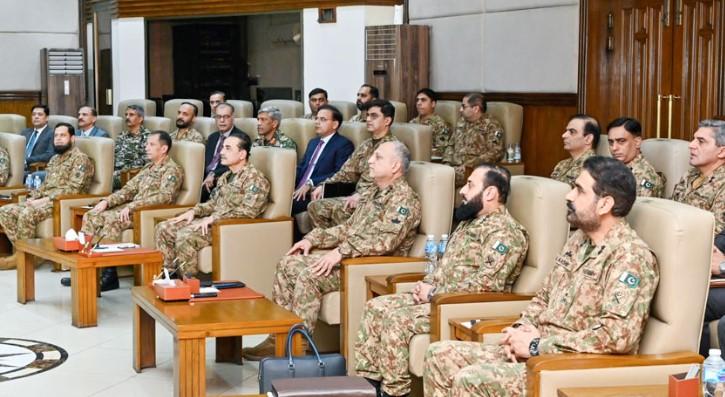
Field Marshal Munir vows total defeat of terrorists with public support
- 2 hours ago
Conversational Gemini navigation comes to Apple CarPlay
- 12 hours ago