Katherine Tai says the pandemic showed a clear need for more resilient and diversified supply chains

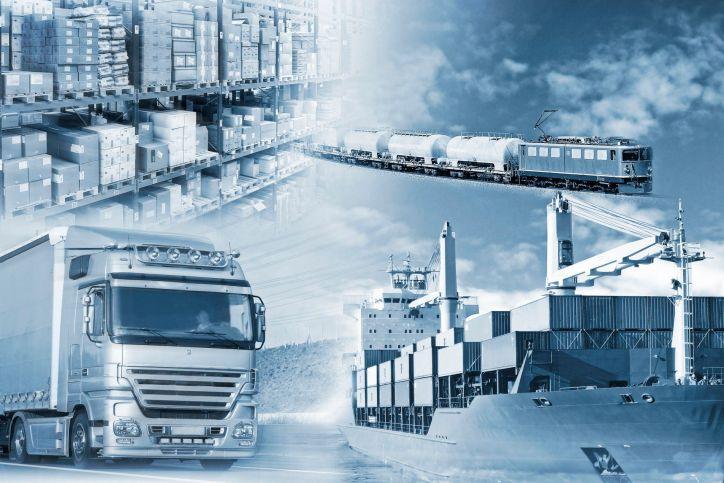
US Trade Representative Katherine Tai said on Thursday that global trade policy makers should not try to recreate the pre-pandemic trading system but build one that is more resilient, sustainable and supportive of higher living standards.
Speaking in a virtual panel of the World Economic Forum, Tai cautioned against a backward-looking "return to normalcy" after two years of COVID-19-induced disruptions.
"I think that it is time for us to acknowledge that our goal really shouldn't be to try to go back to the way the world was, say in 2019, but to take lessons, very hard earned lessons, very painful lessons that we have experienced over the past two years and take this opportunity to build toward something that is different and better," Tai said.
Key to this will be to strengthen and diversify supply chains, she said.
The chairman of ports giant DP World, Sultan Ahmed bin Sulayem told the forum it could take up to two years to return to normal once the pandemic ends.
Intel Corp chairman Pat Gelsinger, addressing the same forum, said the pandemic showed a clear need for more resilient and diversified supply chains. This should include their stress-testing for critical components the way stress-testing of financial institutions improved after the 2008-2009 financial crisis.
He said Intel was striving, with the help of U.S. and European incentives for re-shoring of chip manufacturing, for a "globally distributed, resilient supply chain where no market is uniquely dependent on any other supply, or any singular location, but there's also always a duplicity of supply chains available across the globe."
World Trade Organization Director-General Ngozi Okonjo-Iweala told the forum current disruptions in the global economy presented an opportunity to diversify supply chains to developing countries that have not benefited from previous waves of globalization.
"We see shifts to Vietnam, Laos, Cambodia, Bangladesh, Ethiopia and so on in our data and I call it a way of re- globalizing and using this globalization and supply chain to solve some of the inequality problems," Okonjo-Iweala said.
SOURCE: REUTERS
Pakistan, US explore new avenues for energy cooperation
- 3 hours ago

Sure, let’s smoosh SpaceX and Tesla together, who cares
- a day ago
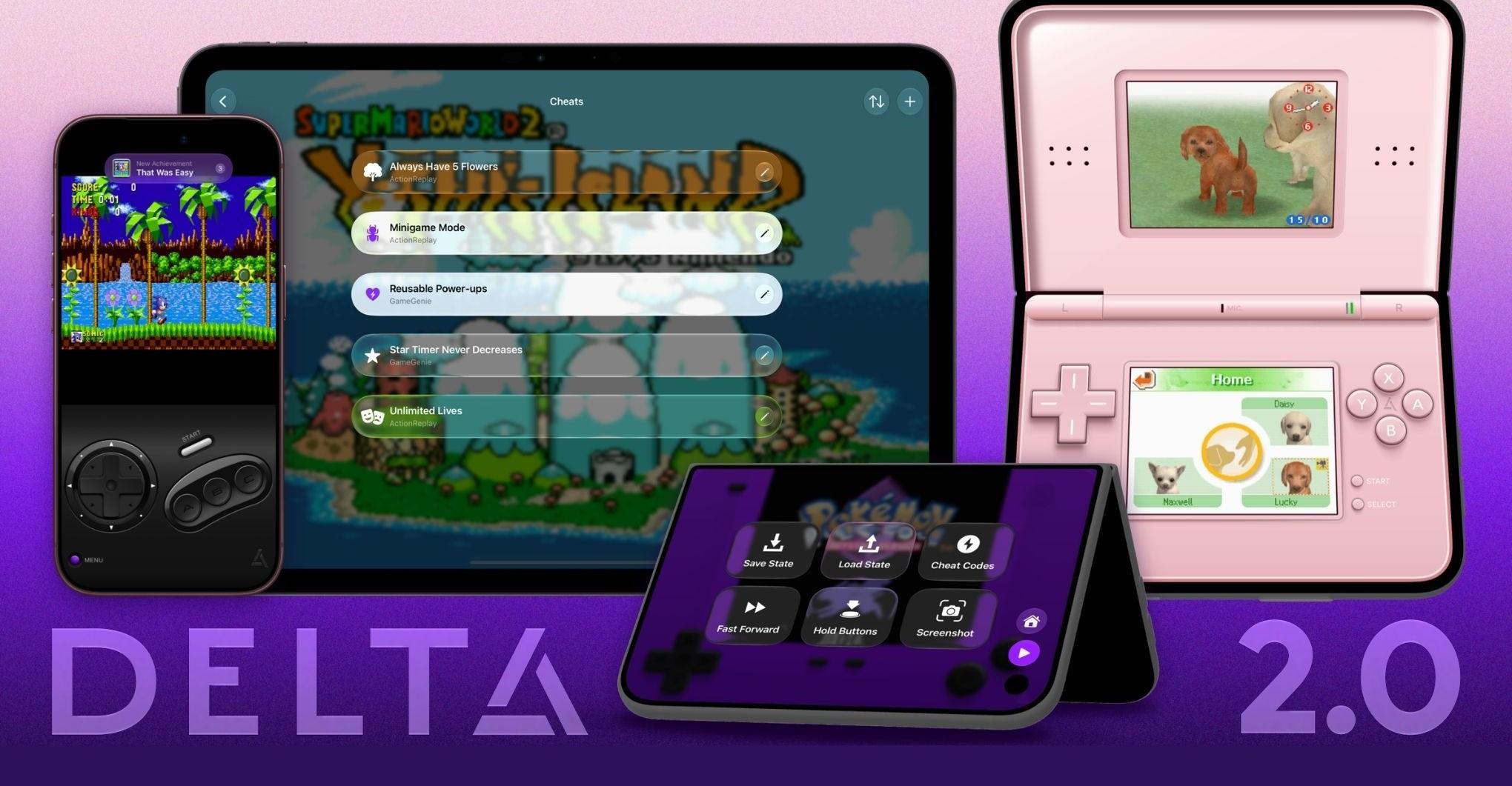
Delta can turn the iPhone Duo into your favorite folding handheld
- a day ago

Samsung’s latest 55-inch Frame TV is down to its lowest price yet
- a day ago

PHP: The three little letters wreaking havoc across the web
- a day ago
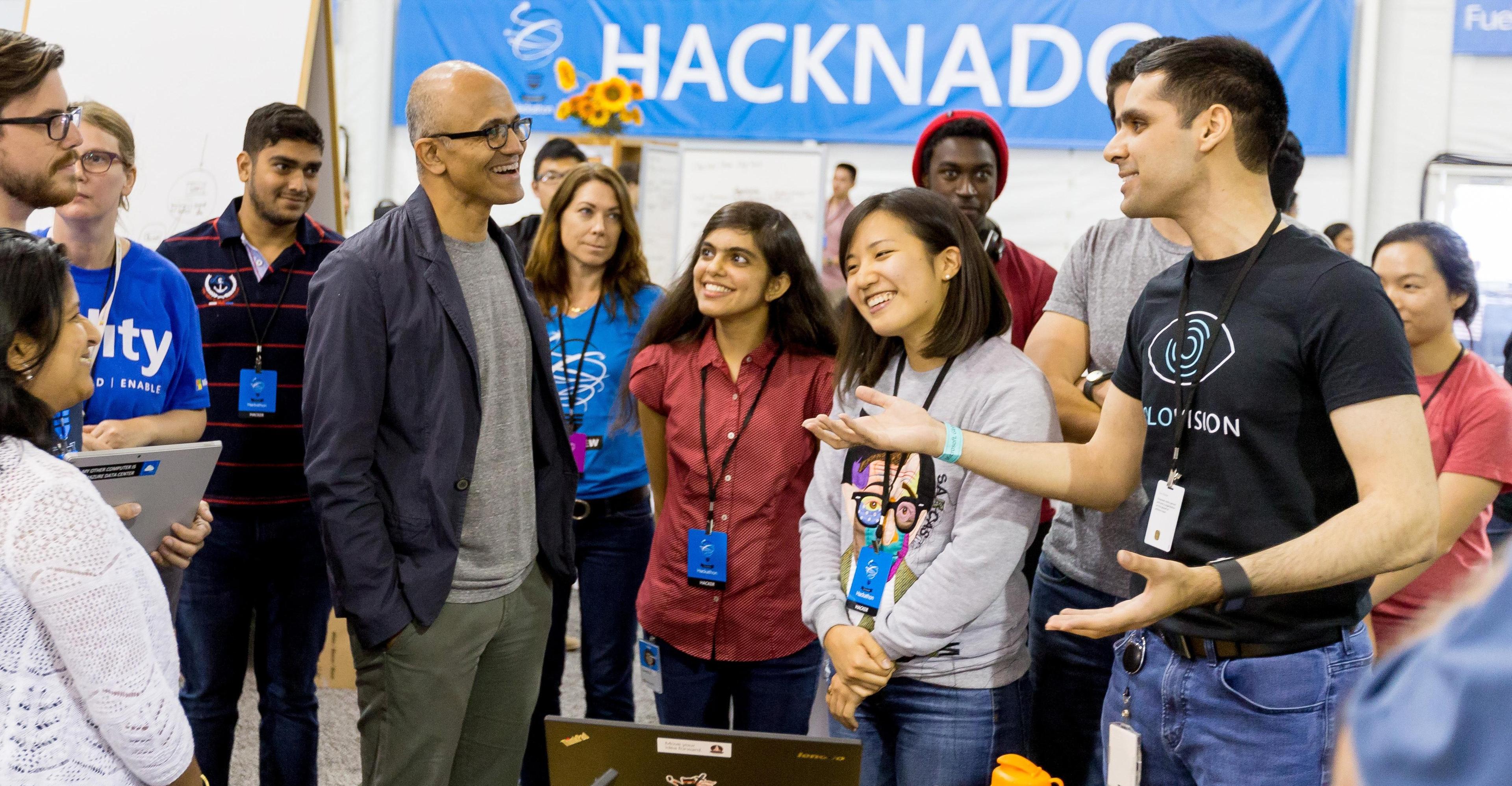
Microsoft shuts down its beloved maker space
- a day ago

Jordan arrests three in dawn raid over church attack
- 8 hours ago

What do you do when your love and your life are in two different places?
- 18 hours ago
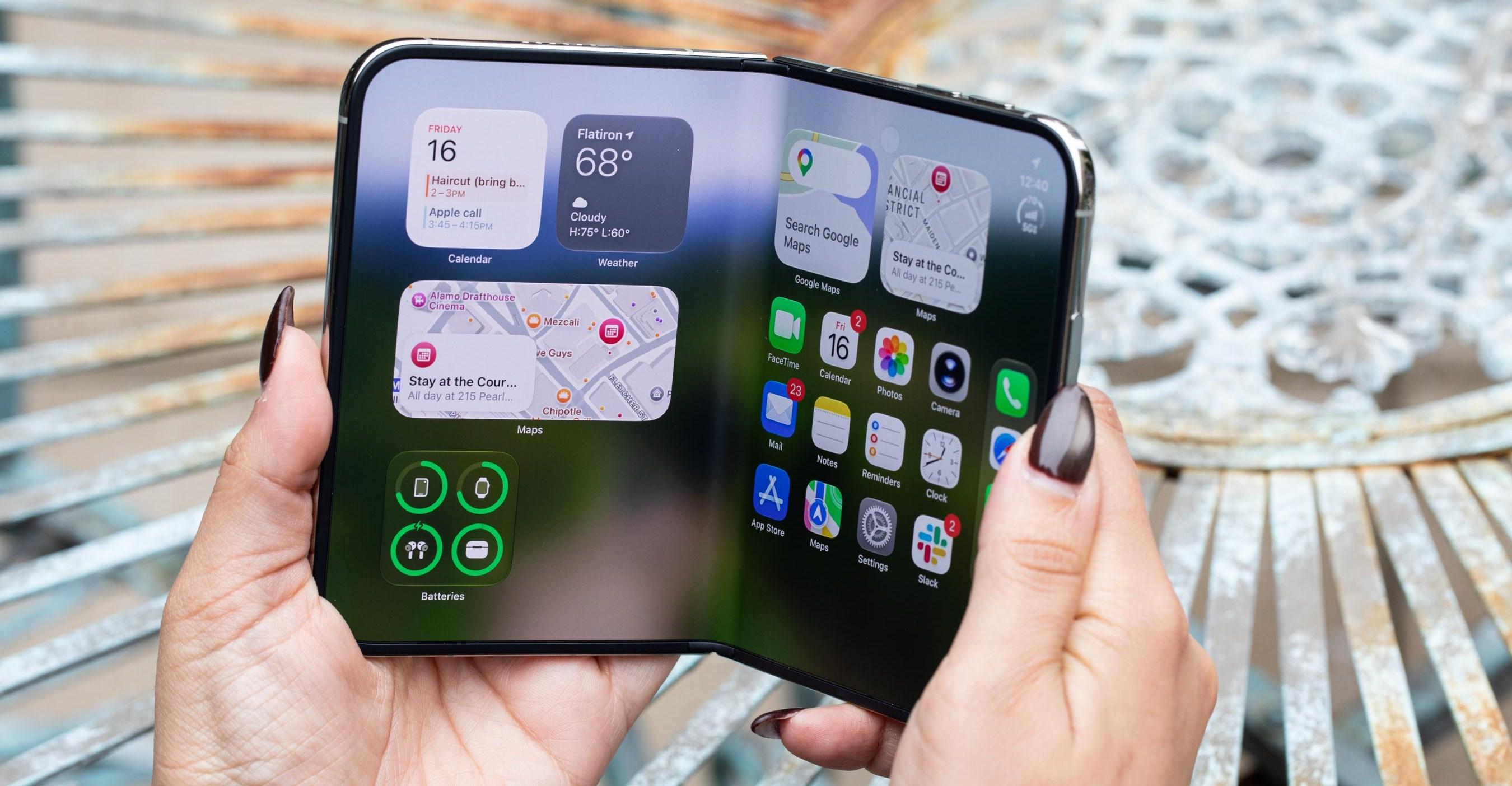
Apple will label apps that are ‘Made for iPhone Duo’
- a day ago
Pakistan condemns Houthi missile attacks on Saudi Arabia
- 9 hours ago

US singer Chris Brown spared jail after pleading guilty over UK nightclub incident
- 7 hours ago
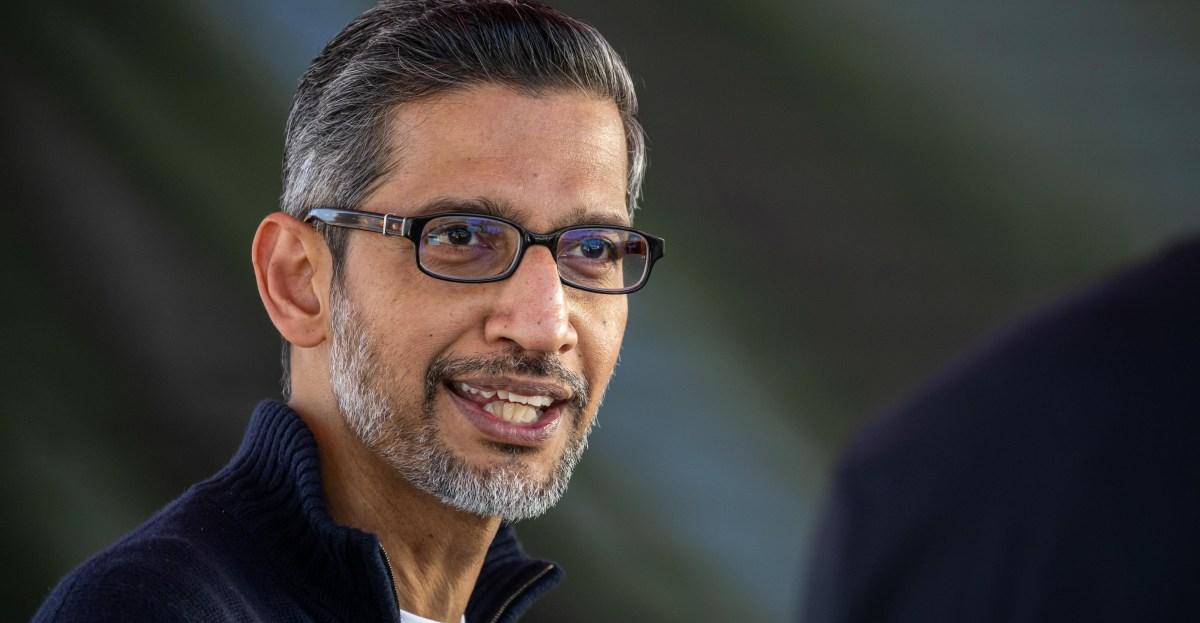
Trump says Sundar Pichai talked him out of renaming the Atlantic Ocean
- a day ago