More than 550 confirmed cases of monkeypox have been reported by about 30 countries since early May

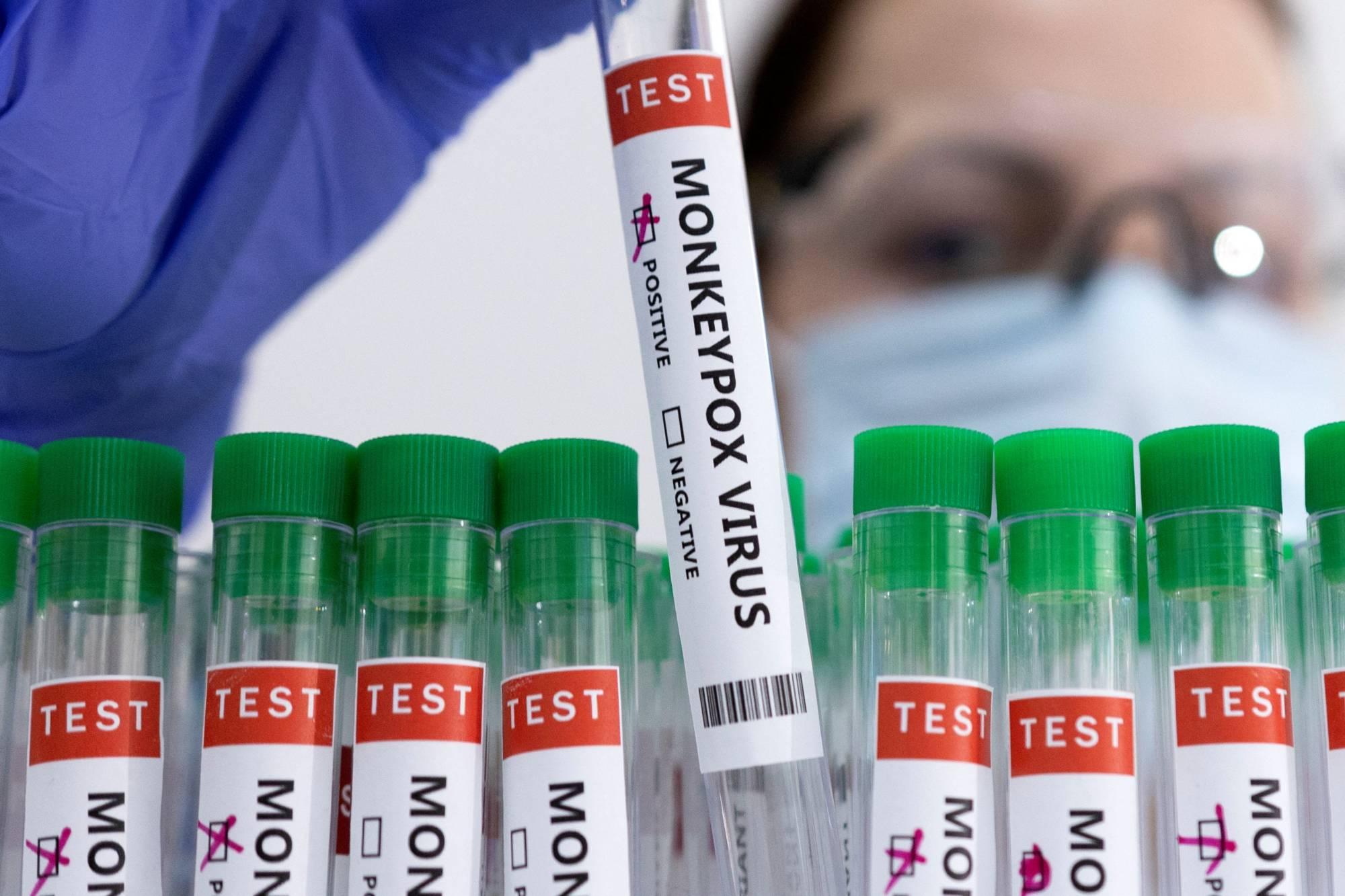
Diagnostic companies are racing to develop tests for monkeypox, hoping to tap into a new market as governments ramp up efforts to trace the world's first major outbreak of the viral infection outside of Africa.
The scramble started last month, much like early 2020 when companies rushed to make kits to help diagnose COVID-19, creating a multibillion-dollar boon for test makers.
But demand for monkeypox tests will be a fraction of what it was for COVID, given monkeypox is not as transmissible nor as dangerous as COVID - it typically spreads through close contact and can cause flu-like symptoms and pus-filled skin lesions that usually resolve on their own within weeks. read more
And unlike the sudden emergence of COVID, there are vaccines, treatments and tests that can already help curb the spread of monkeypox.
A niche new market could soften - but won't make up for - the anticipated slowing of COVID diagnostic sales as the need to test for the SARS-CoV-2 virus ebbs and concern about monkeypox grows, analysts say.
Roche (ROG.S), for instance, made 1.9 billion Swiss francs ($2.0 billion) in COVID test sales in the first quarter, and Barclays analyst Emily Field estimates the tests will generate 3 billion Swiss francs in total for the company in 2022.
"It would be very difficult for monkeypox revenues to offset this in any meaningful way," she said.
More than 550 confirmed cases of monkeypox have been reported by about 30 countries since early May. The majority were in Europe and not linked to travel to Africa, where the virus is endemic. Public health authorities suspect some degree of community transmission. No deaths have been reported.
Still, the World Health Organization (WHO) has said it expects infections to rise as surveillance expands and its Europe head warned the spread could accelerate as people gather for parties and festivals over the summer. read more
This outbreak is significant on the monkeypox scale, but there is not yet a need for hundreds of thousands of tests, which was the case when COVID emerged, said Daniel Bausch, senior director, emerging threats and global health security at FIND, the global alliance for diagnostics.
"This isn't going to be the next COVID ... so I don't think the needs are massive. I don't anticipate [test] supply to be an issue."
TESTING, TESTING
Some countries, including Switzerland and the Netherlands which have reported only a handful of cases, say that for now they have sufficient testing capacity for monkeypox. Britain, where nearly 200 cases have been confirmed, is working on expanding capacity.
Although researchers previously had fragmented access to the chemicals and other materials needed to conduct PCR tests for monkeypox, kits being developed by companies such as Roche theoretically allow them to have everything they need in one place to process a sample in a lab.
Kits like Roche's have not been cleared by regulators for use as a medical diagnostic – however, they are available for research purposes only.
Meanwhile, more than a dozen listed Chinese firms, including Jiangsu Bioperfectus Technologies, say they have added the European Union's CE mark of quality to their kits.
The regime allows test-makers to self-certify that they are complying with EU regulations, and can accordingly be sold in the region. read more
Broadly there are two types of test: PCR and antigen tests are designed to detect whether a person is currently or very recently infected, while antibody tests show whether a person has previously been infected.
The monkeypox virus is part of the orthopoxvirus family that also includes smallpox and cowpox
PCR tests are the gold standard test for the detection of monkeypox, according to the WHO, while the way antigen and antibody tests are designed makes it less likely that a positive result is definitively indicative of monkeypox.
It is unclear whether infected but symptomatic individuals can spread the virus, says the WHO, so it's not known if precautionary testing of suspected cases is needed.
However, since suspected cases are expected to isolate for up to 21 days, rapid antigen tests could be useful, given there are currently no pox virus diseases that have broadly spread across populations, said Carlos Maluquer de Motes, who runs a research group studying poxvirus biology at Surrey University.
Most diagnostic makers are focused on PCR tests for monkeypox. A few others, including Tetracore Inc, are working on rapid antigen tests.
However, caution is warranted.
"Virtually none of the kits, whether listed for research or otherwise, have gone through extensive validation," said Bausch. "It would be interesting to order all the tests that have suddenly come on the market and see what you get."
SOURCE: REUTERS

Medvedev disqualified from China Open semi after hitting ball into crowd
- 16 hours ago

OpenAI won’t go public until its models are safe
- 8 hours ago
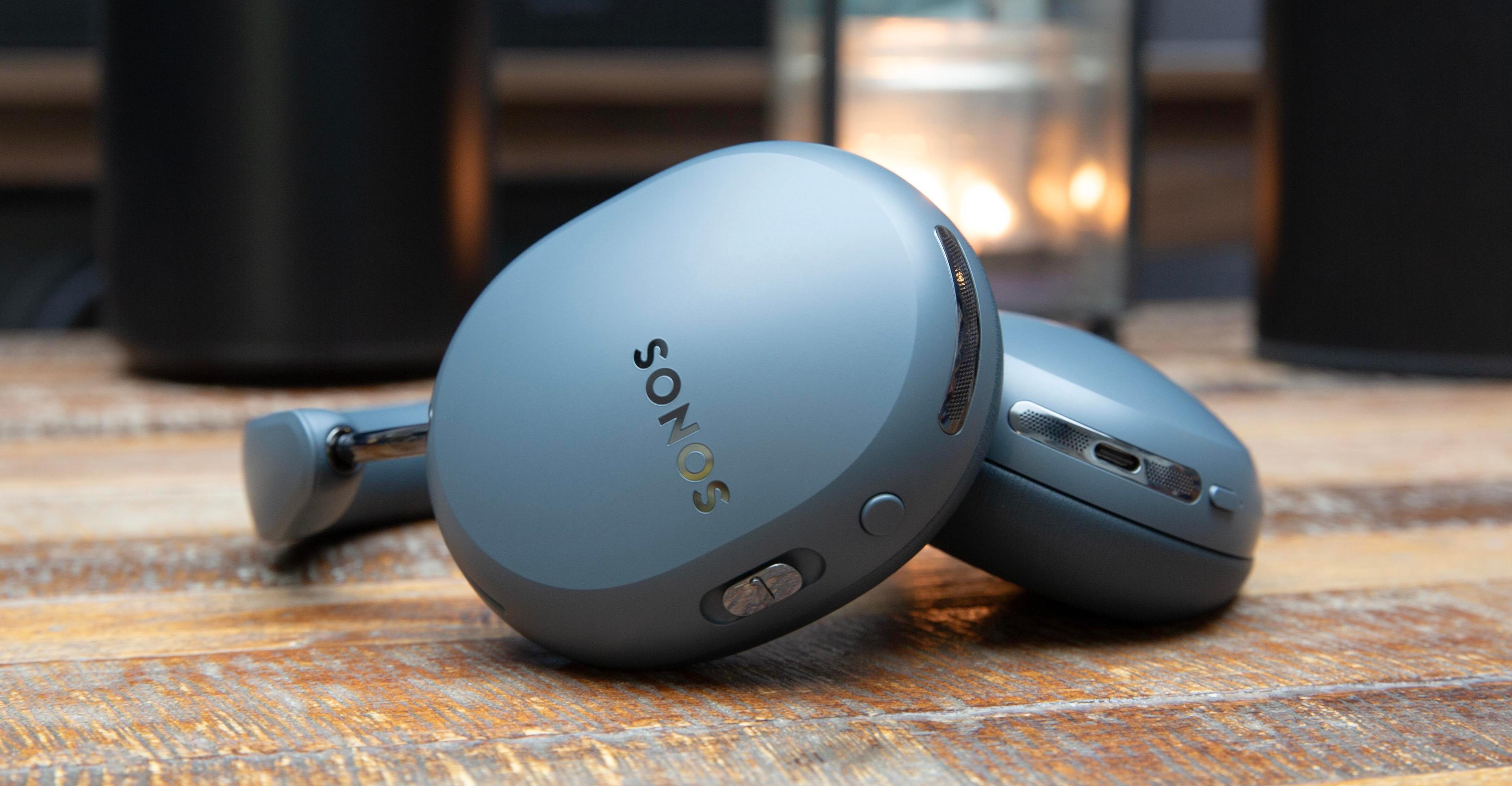
The Sonos Ace Ultra are the headphones Sonos should have made the first time
- 8 hours ago

Gold prices plummet in Pakistan, global markets
- 3 days ago

Pakistan's delegation to attend Makkah defence committee meeting in Riyadh today
- a day ago
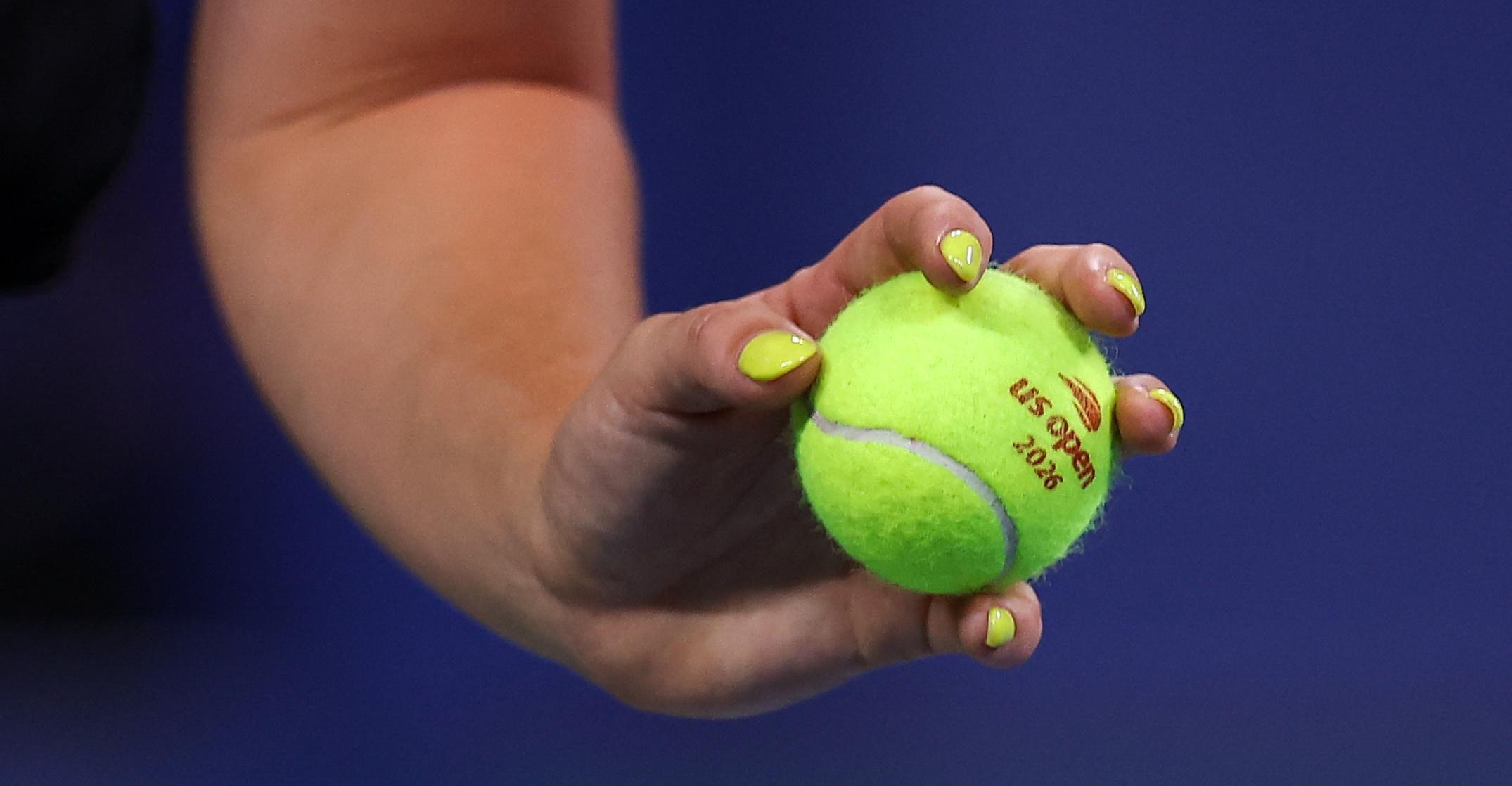
What color is a tennis ball?
- 6 hours ago
ROMO OUT AT CBS AFTER DUI...
- 2 days ago
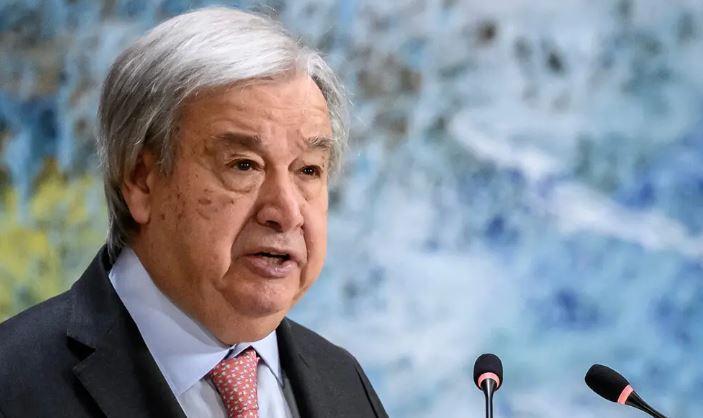
UN Secretary-General Guterres to arrive in Pakistan tomorrow
- 20 hours ago
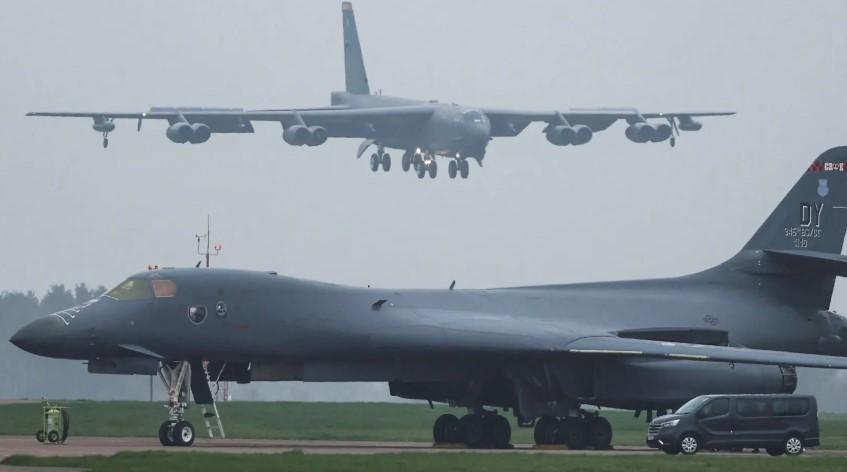
US withdraws all bomber aircraft from UK airbase used during Iran war
- 15 hours ago
How did the Cornell rape case go so wrong?
- 2 days ago
The best early October Prime Day deals happening now
- 8 hours ago

Apple’s ‘HomePad’ will reportedly launch on October 13th
- 8 hours ago