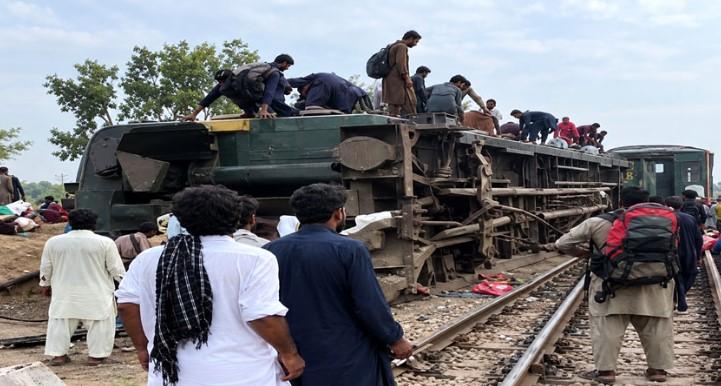
UN migration agency says more than 250,000 Afghans returned from Iran in June

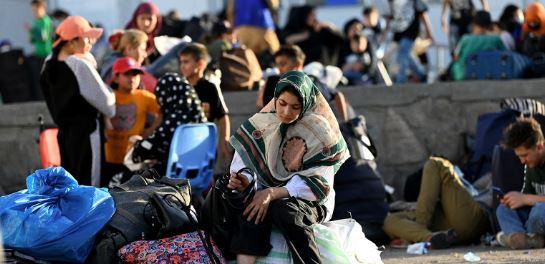
(AFP): Nearly 450,000 Afghans have returned from Iran since the start of June, the United Nations’ migration agency said on Monday, after Tehran ordered those without documentation to leave by July 6.
From June 1 to July 5, 449,218 Afghans returned from Iran, a spokesperson for the International Organisation for Migration said, adding that the total for the year so far was 906,326.
Tens of thousands of Afghans streamed over the border from Iran in the days before a return deadline set for Sunday, the United Nations said, sparking an “emergency” situation at border points.
In late May, Iran said undocumented Afghans must leave the country by July 6, potentially impacting four million people, out of the six million Afghans Tehran says live in the country.
Numbers of people crossing the border have surged since mid-June, with a peak of more than 43,000 people crossing at Islam Qala in western Herat province on July 1, the UN refugee agency UNHCR said on Friday.
The UN migration agency IOM said more than 250,000 Afghans returned from Iran in June.
UNICEF country representative Tajudeen Oyewale said this was an “emergency” situation in a country already facing a “chronic returnee crisis,” with 1.4 million Afghans returning from traditional hosts Iran and Pakistan this year.
“What is concerning is that 25% of all these returnees are children... because the demographics have shifted” from individual men to whole families, crossing the border with scant belongings and money, he said on Thursday.
He noted Islam Qala could accommodate the vast numbers but was inadequately equipped in terms of services, saying, “When you start hitting more than 20,000 people (a day) that is completely beyond the planning scenario that we have.”
The agency has engaged emergency processes to ramp up water and sanitation systems built for 7-10,000 people a day, along with vaccinations, nutrition and child-friendly spaces.
Many people crossing reported pressure from authorities or even arrest and deportation.
“Some people are so afraid that they don’t leave the house themselves... They send their young children out just for a piece of bread, and even those children get arrested sometimes,” said 38-year-old Aref Atayi of the pressures Afghans face in Iran.
“Even if I have to beg in my own country, it’s still better than staying in a place where we’re treated like this,” he told AFP on Saturday, as he waited at the IOM-run reception center for some support to help his family resettle.
Massive foreign aid cuts have impacted the response to the crisis, with the UN, international non-governmental groups and Taliban officials calling for more funding to support the returnees.
The UN has warned the influx could destabilise the country already grappling with entrenched poverty, unemployment and climate change-related shocks and urged countries not to forcibly return Afghans.
‘Pure insanity’: Mathematicians will need years to make sense of OpenAI’s latest drop
- a day ago

National Grid Company of Pakistan unveils new brand identity as “National Grid Pakistan”
- 9 hours ago
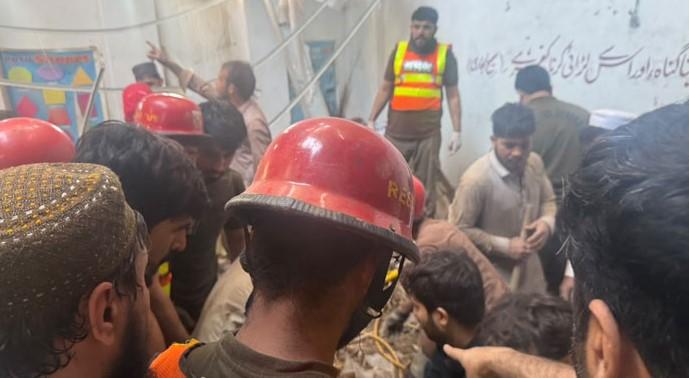
At least 30 children, two teachers killed in Peshawar school roof collapse
- 13 hours ago
The Supreme Court may be about to make America’s prisons much crueler
- 20 hours ago
CDF Munir reaffirms resolve to strengthen Pakistan-Russia ties
- a day ago
Five terrorists killed in Washuk IBO, Balochistan: ISPR
- 12 hours ago

The rise and fall of a MAGA princess
- 20 hours ago

K-pop star Sunmi loves Notion and ear cleaning videos
- a day ago
US military weighs use of ‘mother of all bombs’ in potential future strikes on Iran, CNN says
- 11 hours ago

Microsoft 365 Family subscribers will finally be able to share AI benefits
- a day ago

Pakistan pursuing investment, export-led growth: FinMin Aurangzeb
- 7 hours ago
Joint Session of Parliament ratifies emergency, governor’s rule in KP
- 11 hours ago