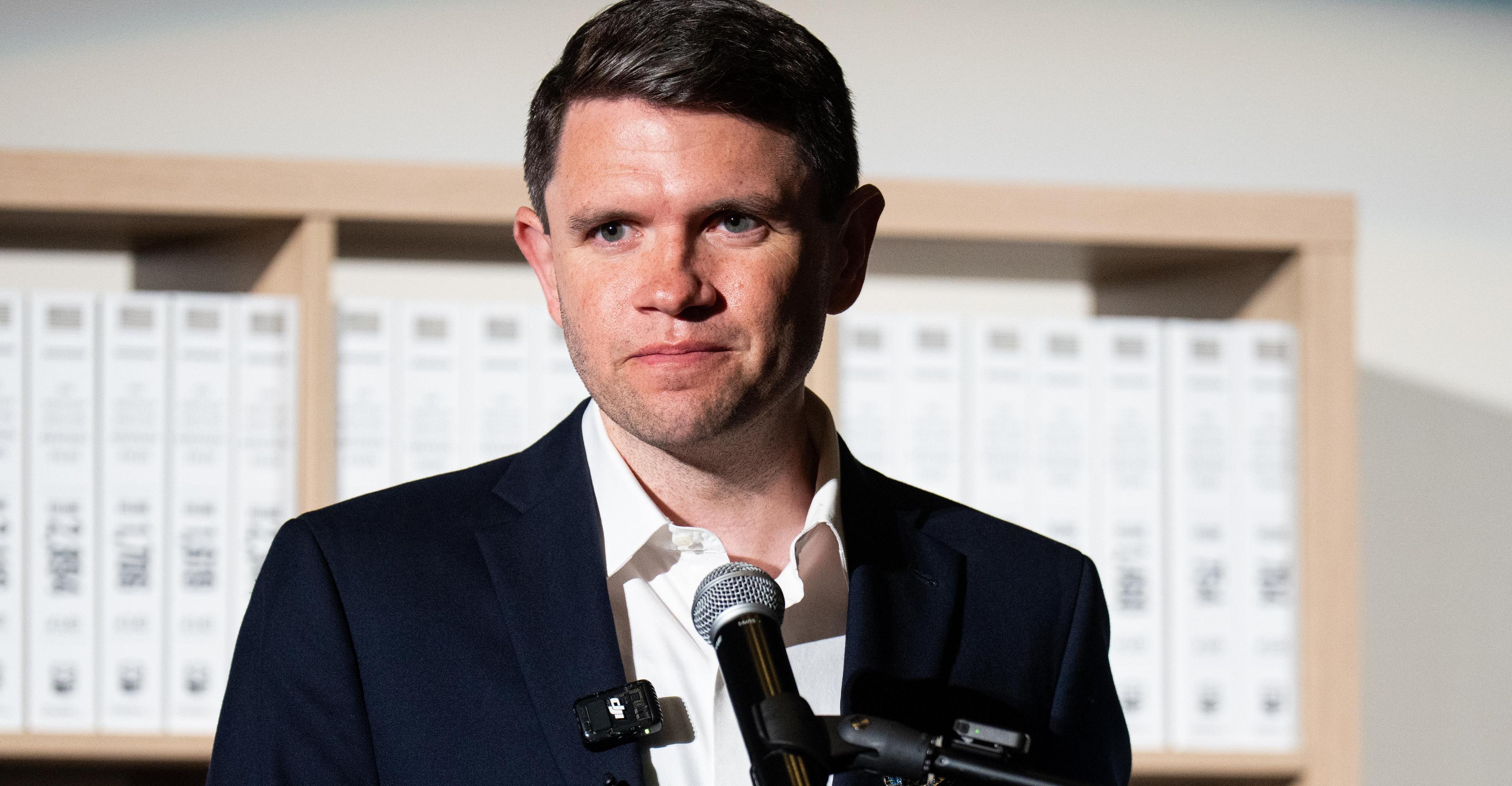
Pakistan on Wednesday conducted a successful test launch of the surface to surface ballistic missile Ghaznavi. The missile is capable of delivering nuclear and conventional warheads up to a range of 290 kilometres.

According to the Inter-Service Public Relations (ISPR), This test launch was conducted during the culminating point of the Annual Field Training Exercise of Army Strategic Forces Command.
The test launch of the ballistic missile was witnessed by Army Strategic Forces Command Commander Lieutenant General Muhammad Ali, Strategic Plans Division senior officers, Army Strategic Forces Command, Scientists and Engineers of the strategic organisations.
Commander Army Strategic Forces Command appreciated the operational attentiveness and display of excellent standard in handling and operating the weapon system. He also uttered full satisfaction on the training standards of participating troops, attained throughout this training activity.
President, Prime Minister of Pakistan and the Service Chiefs have congratulated all ranks of Army Strategic Forces Command, the scientists and engineers on successful conduct of today’s test launch.

The SaaSpocalypse that wasn’t, with Atlassian CEO Mike Cannon-Brookes
- a day ago
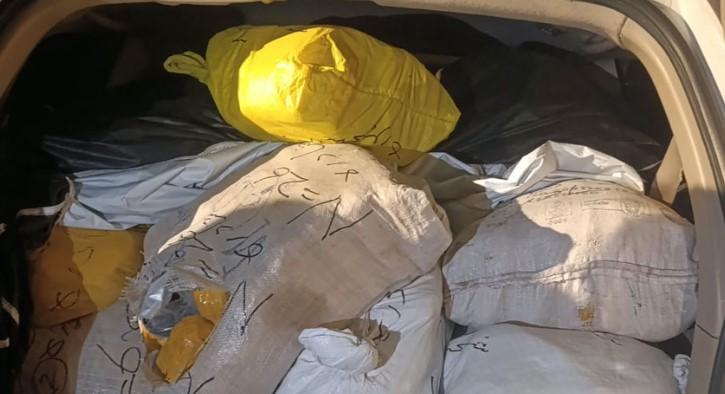
Customs confiscates narcotics in IBO off M-2
- 14 hours ago

You’re supposed to get one free doctor’s visit every year. So why are so many Americans being charged?
- a day ago

Death anniversary of renowned comedian Umer Sharif being observed today
- 12 hours ago

Govt-opposition talks continue amid heated exchanges between Rana Sana and Raja Nasir
- 13 hours ago

Nvidia says its new AI safety platform can contain rogue agents within ‘milliseconds’
- a day ago

Flock cameras are creepy. They might still be worth it.
- a day ago
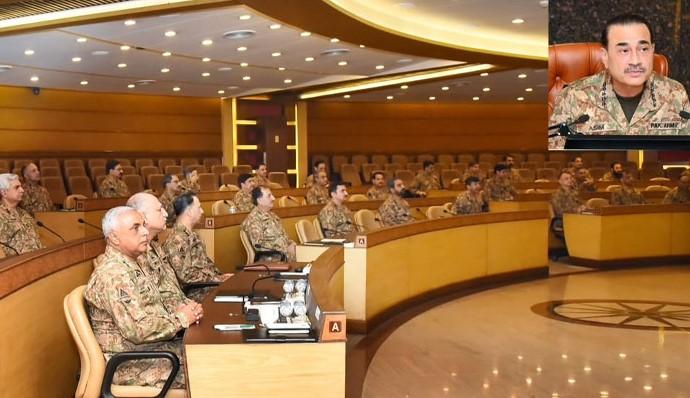
Any attempt to create violent unrest or May 9-like situation to be dealt with decisively, affirms Army's top brass
- 11 hours ago

Saudi Arabia denies reports of suicide bomber at Grand Mosque in Makkah
- 14 hours ago

Why diesel prices are an economic time bomb
- a day ago

Anthropic warns of ‘catastrophic’ AI risks in its own IPO filing
- a day ago
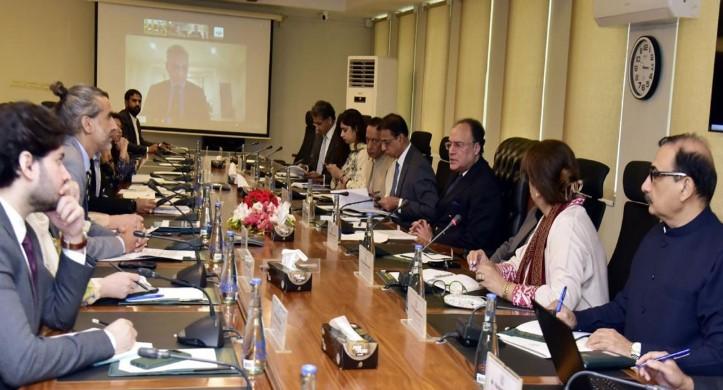
FinMin Aurangzeb vows to strengthen key drivers of sovereign ratings
- 12 hours ago

.jpeg&w=3840&q=75)