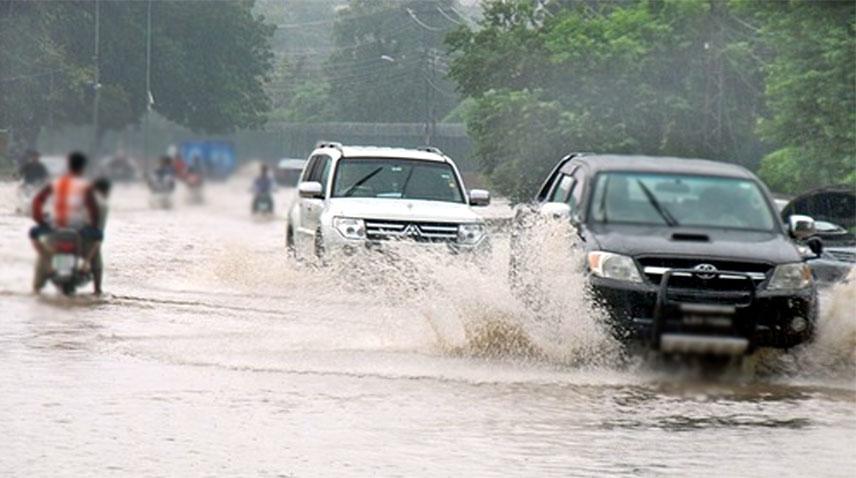
‘Monsoon is expected to enter Pakistan around June 26 or 27, slightly earlier than usual, and will likely continue from July through Sept 15’

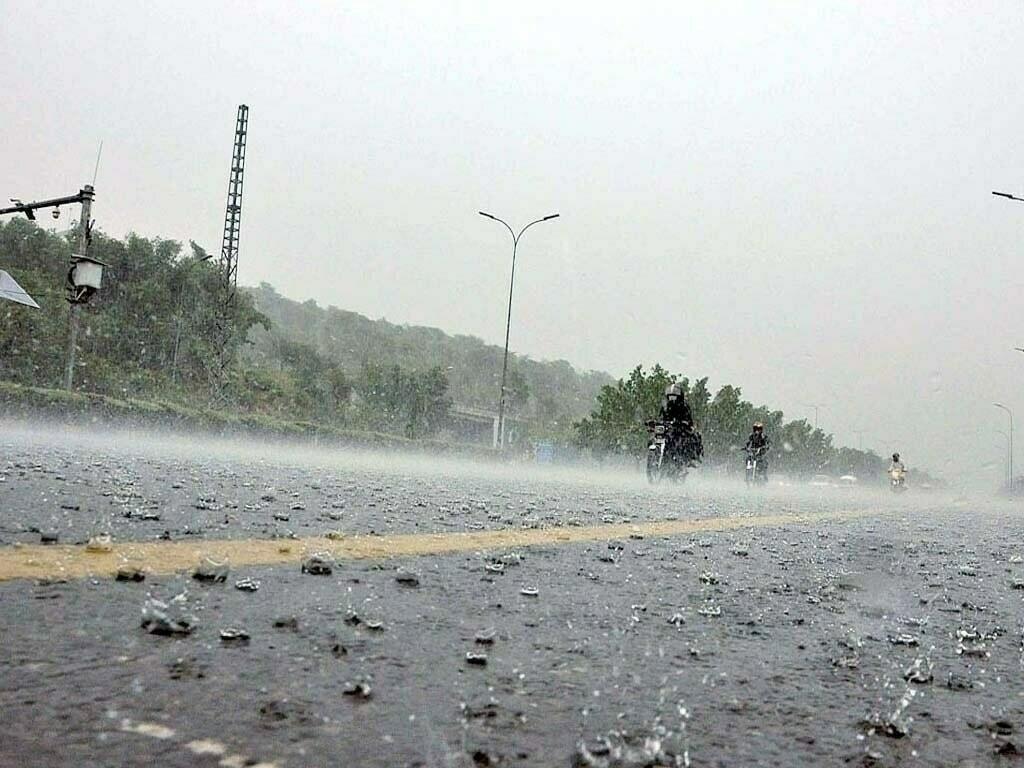
Islamabad: A meeting of the Senate Standing Committee on Climate Change, chaired by Senator Sherry Rehman, was held at the National Disaster Management Authority (NDMA) headquarters.
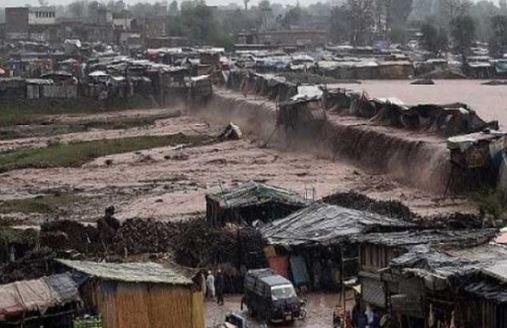
NDMA Chairman Lieutenant General Inam Haider Malik briefed the committee, stating that above-normal rainfall is expected during this year’s monsoon season. He said that the monsoon is expected to enter Pakistan around June 26 or 27, slightly earlier than usual, and will likely continue from July through September 15.
NDMA officials informed the committee that northern and eastern Punjab will experience heavy rainfall, and localized floods and surges in streams are likely due to glacier melt. Officials noted that a heatwave advisory had been issued six months ago, and areas like Rajanpur and Dera Ghazi Khan are likely to receive heavy rains and need special attention.
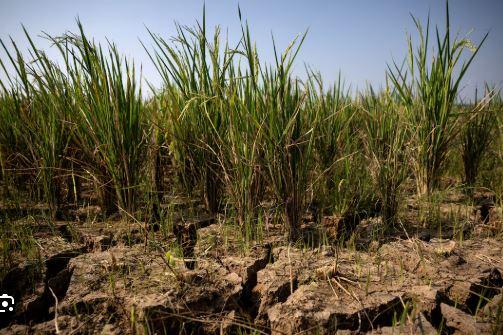
Temperature variations were also reported. Punjab is seeing a 2 to 3°C rise. Sindh is expected to have temperatures 2.5°C above normal. Khyber Pakhtunkhwa (KP) will have a 1.5°C increase.
The briefing further revealed that average rainfall in Punjab is 344mm, but this year it could reach 388mm, with northeastern Punjab seeing up to 50% more rainfall. Southern Punjab is also expected to get more rain.
In the Sulaiman Range, hill torrents are already being observed. Northern KP will receive less rainfall, while southern KP may receive normal to above-normal rainfall. In Chitral and glacial regions of KP, rainfall will be less than average.
Normally, KP receives 243mm of rainfall, but this year it may reach 300mm. Azad Kashmir is also expected to experience increased rainfall, while Balochistan will likely have less rainfall but higher temperatures.
The monsoon season will also see a higher risk of cloudbursts.
Senator Sherry Rehman remarked that the Indus Waters Treaty could also impact Pakistan. In response, NDMA Chairman Inam Haider Malik shared that a study on the treaty is underway. He noted that India is currently using less water than its capacity from the western rivers, and this year, the basin will have 35% less water, compared to a 31% deficit last year.

Apple’s HomeView has an app problem
- 7 hours ago

Jesse Eisenberg, Julianne Moore bring curtain down on London Film Festival with 'The Debut'
- 20 hours ago

Sony’s WH-1000XM6 headphones are $130 off today only
- 7 hours ago

The Tesla Roadster could have stayed vaporware
- 7 hours ago

Eight states sue OpenAI, saying ChatGPT isn’t safe for kids
- 7 hours ago

Corruption is finally breaking through to voters this time
- 5 hours ago

Google is making inline links more prominent in AI responses
- 7 hours ago

UK to deploy RAF Typhoon jets to defend Saudi cities from Houthi attacks
- 20 hours ago
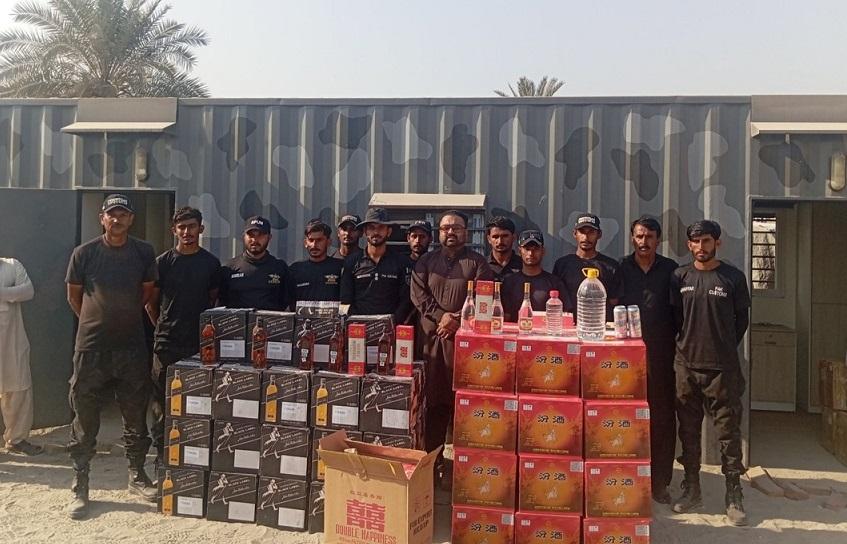
Pakistan Customs foils smuggling attempt at Sukkur Barrage
- 11 hours ago
Star QB Jalen Hurts out for season after blood clots discovered in lungs...
- 6 hours ago

CDF Munir arrives in Tehran for talks with senior Iranian officials
- 18 hours ago
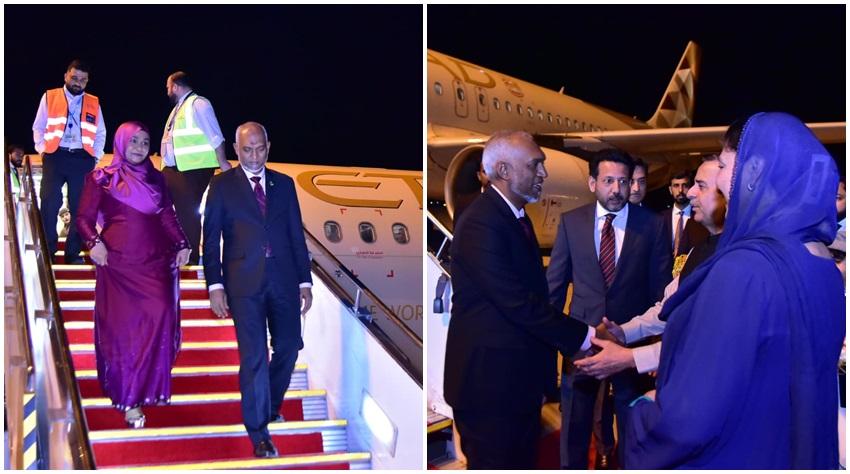
Maldives President is in Islamabad to hold talks with Pakistani leadership
- 11 hours ago