Amazon also lost about $3.8 billion in the first quarter, compared with a profit of $8.1 billion a year ago

Shares of Amazon dipped as much as 14% on Friday after the company gave revenue outlook for the current quarter that fell short of Wall Street’s estimates. It could mark Amazon’s worst day since February 2005 if the losses hold through the close.
Amazon said Thursday it projects revenue between $116 billion to $121 billion in the second quarter, trailing the $125.5 billion average analyst estimate, according to Refinitiv.
Amazon’s core retail business has stalled as a flurry of online shopping tapers off amid the economy reopening from the pandemic. The company’s operating expenses are increasing faster than its sales. Amazon invested heavily to staff up its warehouses and combat supply chain challenges, and it now faces rising inflation, as well as increasing transportation and labor costs.
The second-quarter forecast suggests revenue growth could dip to a range of 3% to 7% from a year earlier, representing a further slowdown from the first quarter, when revenue at Amazon increased 7%.
Amazon also lost about $3.8 billion in the first quarter, compared with a profit of $8.1 billion a year ago. The company’s investment in electric vehicle maker Rivian weighed on its profits.
“While sales were short of expectations by a mere $6 million, the bigger headline was the company’s first quarterly loss since 2015, at a loss per share of $7.56, or nearly $16.00 shy of the Street’s earnings per share expectations,” said William Blair analysts, who have an outperform rating on Amazon shares, in a note to clients on Thursday.
“Under the hood, the company reported an $8 billion pretax loss related to its investment in Rivian Automotive. Recall the company reported a $12 billion benefit in the prior quarter related to the investment. We estimate the company’s earnings per share excluding the investment-related loss would be roughly $3.40, still 60% below consensus as the company continues to face headwinds related to shipping, labor, excess capacity, and tough prior-year comparisons.”
Analysts like Truist Securities’ Youssef Squali remain bullish that Amazon’s outlook will improve in the second half of the year. Squali said in a Friday note to clients that he expects Covid-related costs, along with labor and inflationary pressures, to wane as the year progresses, while Amazon’s fulfillment network becomes more efficient as staffing and supply chain issues normalize.
“We should start seeing material improvement to labor and fixed cost efficiency in 2H22, starting with Prime Day in July and then in the seasonally strong 4Q22,” said Squali, who recommends buying Amazon shares.
SOURCE: CNBC

Sony’s WH-1000XM6 headphones are $130 off today only
- 6 hours ago
Star QB Jalen Hurts out for season after blood clots discovered in lungs...
- 5 hours ago

Eight states sue OpenAI, saying ChatGPT isn’t safe for kids
- 6 hours ago

Apple’s HomeView has an app problem
- 6 hours ago
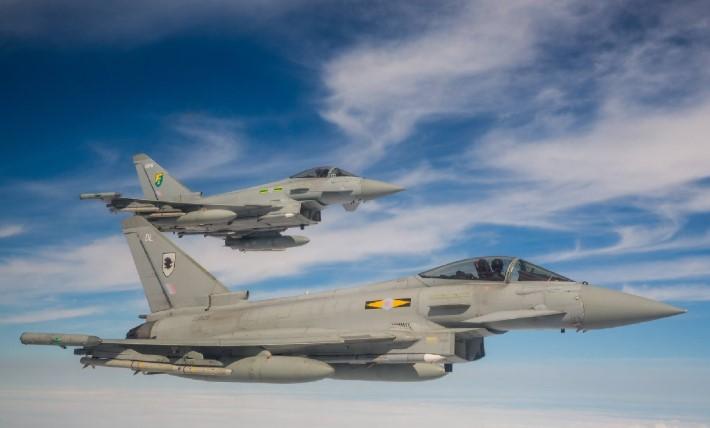
UK to deploy RAF Typhoon jets to defend Saudi cities from Houthi attacks
- 19 hours ago

The Tesla Roadster could have stayed vaporware
- 6 hours ago
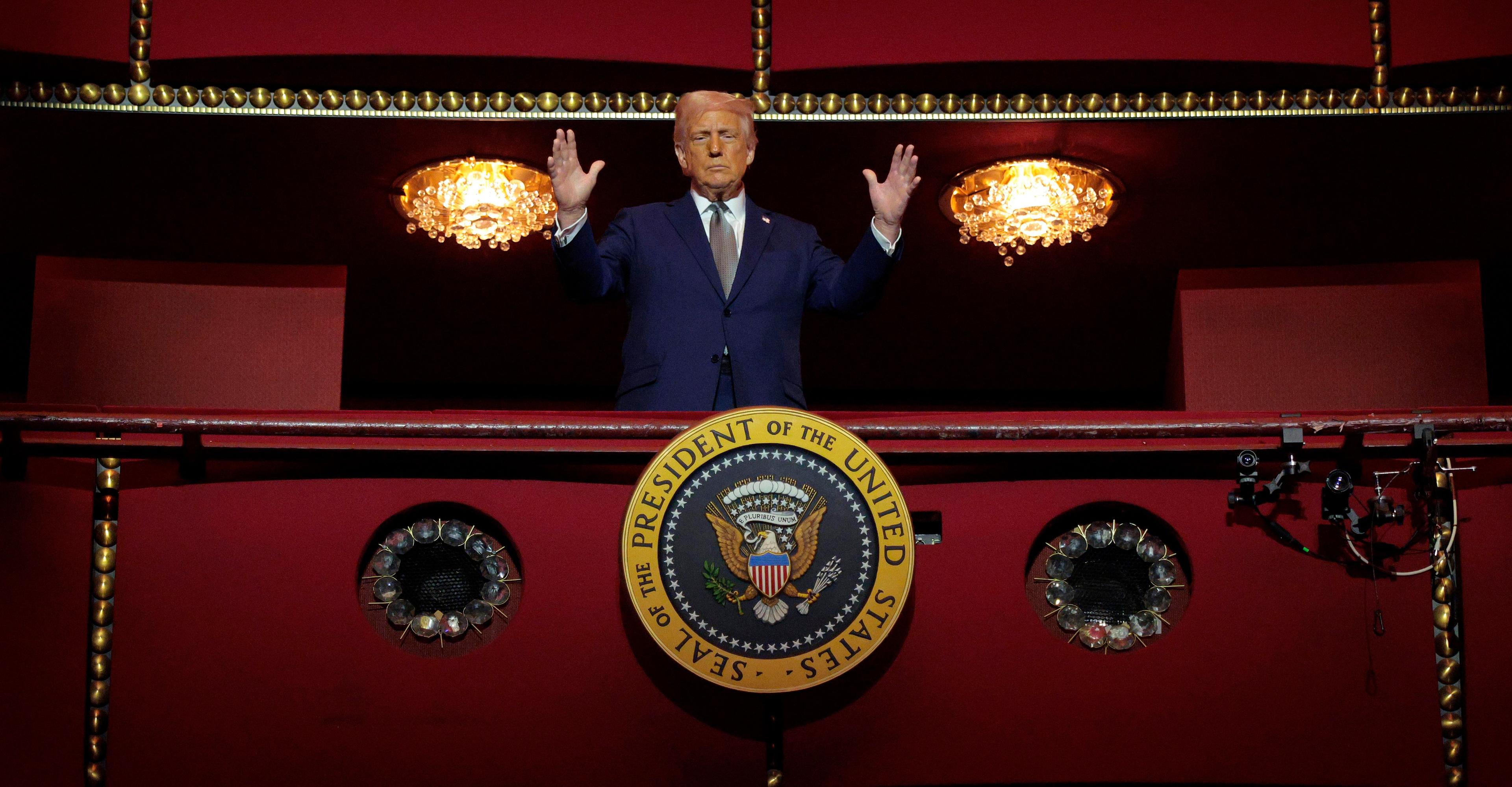
Corruption is finally breaking through to voters this time
- 4 hours ago

Maldives President is in Islamabad to hold talks with Pakistani leadership
- 10 hours ago
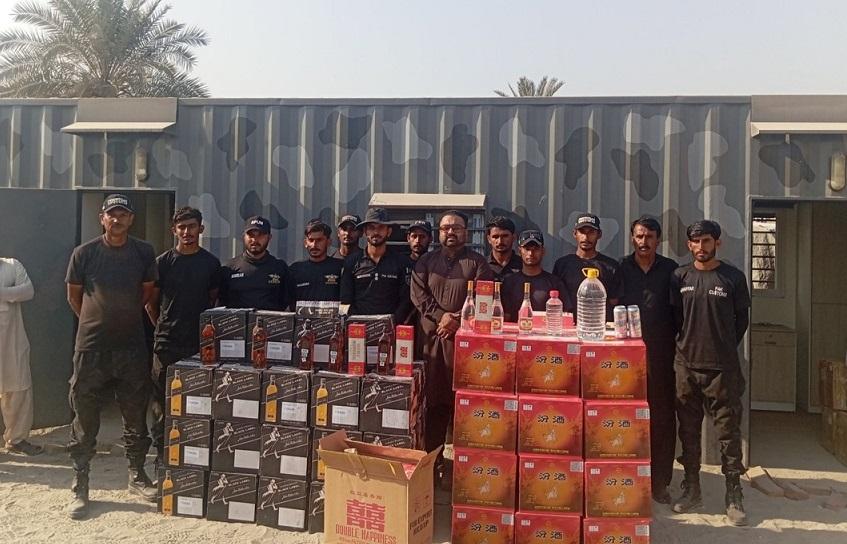
Pakistan Customs foils smuggling attempt at Sukkur Barrage
- 10 hours ago

CDF Munir arrives in Tehran for talks with senior Iranian officials
- 17 hours ago

Jesse Eisenberg, Julianne Moore bring curtain down on London Film Festival with 'The Debut'
- 19 hours ago

Google is making inline links more prominent in AI responses
- 6 hours ago