CJCSC highlights looming threat in South Asia, warns against regional militarisation
General Sahir Shamshad Mirza criticises India’s militarisation, calls for Kashmir resolution at global forum


(Web Desk): Chairman of the Joint Chiefs of Staff Committee (CJCSC), General Sahir Shamshad Mirza, issued a stark warning on Saturday regarding escalating security threats in South Asia and the Asia-Pacific region, emphasising the urgent need for inclusive and institutionalised crisis management frameworks.
He delivered these remarks during a detailed speech at the prestigious Shangri-La Dialogue, an annual defence and security forum that gathers military leaders, defence ministers, and strategic experts from around the globe.
Speaking on behalf of Pakistan, Gen Mirza highlighted that strategic stability in the region must be anchored in mutual trust, clearly defined red lines, and collective restraint — not domination or exclusion. "Inclusion is not optional," he stated, adding that "mechanisms cannot function in a vacuum of trust or amid systemic asymmetries."
Gen Mirza identified unresolved conflicts, ineffective communication, and regional power rivalries as key contributors to the deteriorating security environment in South Asia and the broader Asia-Pacific. He voiced particular concern over the South Asian region, describing it as facing a "looming threat of a global scale" due to long-standing disputes such as the Kashmir issue, complex India-Pakistan-China dynamics, and the ongoing instability in Afghanistan.
He warned that increased nuclearisation had heightened the risk of strategic miscalculation, making reliable communication channels between adversaries all the more critical. General Mirza criticised India’s increasing militarisation and suggested that growing Western support was emboldening New Delhi to shun crisis resolution mechanisms. He said India’s pursuit of regional dominance is acting as a deterrent to meaningful conflict management.
Citing a recent Pakistan-India standoff, Gen Mirza cautioned that the threshold for war between the two nuclear-armed neighbours has dangerously lowered. He called India's targeting of civilian areas and threats to abrogate the Indus Waters Treaty "existential threats" to Pakistan, warning that such actions could be considered “acts of war.”
Reaffirming Pakistan’s preference for peaceful solutions, he stated that any lasting peace with India must be based on mutual respect, sovereign equality, and dignity. He also reiterated Islamabad’s longstanding stance on Indian Illegally Occupied Jammu and Kashmir (IIOJK), advocating for a resolution aligned with United Nations Security Council resolutions and the will of the Kashmiri people.
Expanding his focus to the wider Asia-Pacific region, Gen Mirza noted a concerning rise in militarisation and great power rivalry. He pointed out that external powers continue to shape the region’s security landscape, often without establishing organic mechanisms to manage tensions or mediate disputes. He warned that without local ownership, externally imposed frameworks would lack legitimacy and effectiveness.
“Mechanisms transplanted into this region from outside will not have local respect and recognition,” he asserted, while encouraging regional actors to prioritise existing bilateral, regional, and multilateral platforms over creating new ones. He urged a shift from mere conflict management to genuine conflict resolution.
General Mirza also offered a critique of the broader global security environment, observing that power politics and strategic interests have displaced principles and morality. He expressed concern over the erosion of norms like state sovereignty and international law, while warning against the rise of "myopic mini-lateralism" at the expense of multilateral cooperation.
He underscored the need for institutionalised crisis protocols, joint exercises, and pre-agreed deconfliction procedures, particularly as emerging technologies such as AI and cyber tools compress decision-making windows and complicate deterrence. Stressing that “strategic communication matters,” Gen Mirza concluded that misinformation, narrative warfare, and distorted perceptions are increasingly fuelling escalation.
Despite these challenges, he expressed cautious optimism, acknowledging growing efforts within the region to enhance cooperation and communication.
FIA offloads 2 passengers at Lahore airport over fake documents, tampered study visa
- a day ago

Trump’s revenge campaign comes for Ilhan Omar
- 2 days ago
Security of Haramain al-Sharifain non-negotiable: DG ISPR
- 3 hours ago
Army officer martyred, four terrorists killed in Balochistan operations: ISPR
- an hour ago

Musk says will give SpaceX share to 'every kid in America'
- an hour ago
Cold weather and high prices could flip the Senate
- 2 days ago

West Bank settlers brutally attack a Washington Post journalist
- a day ago

Florida’s uniquely horrifying death penalty system
- 2 days ago
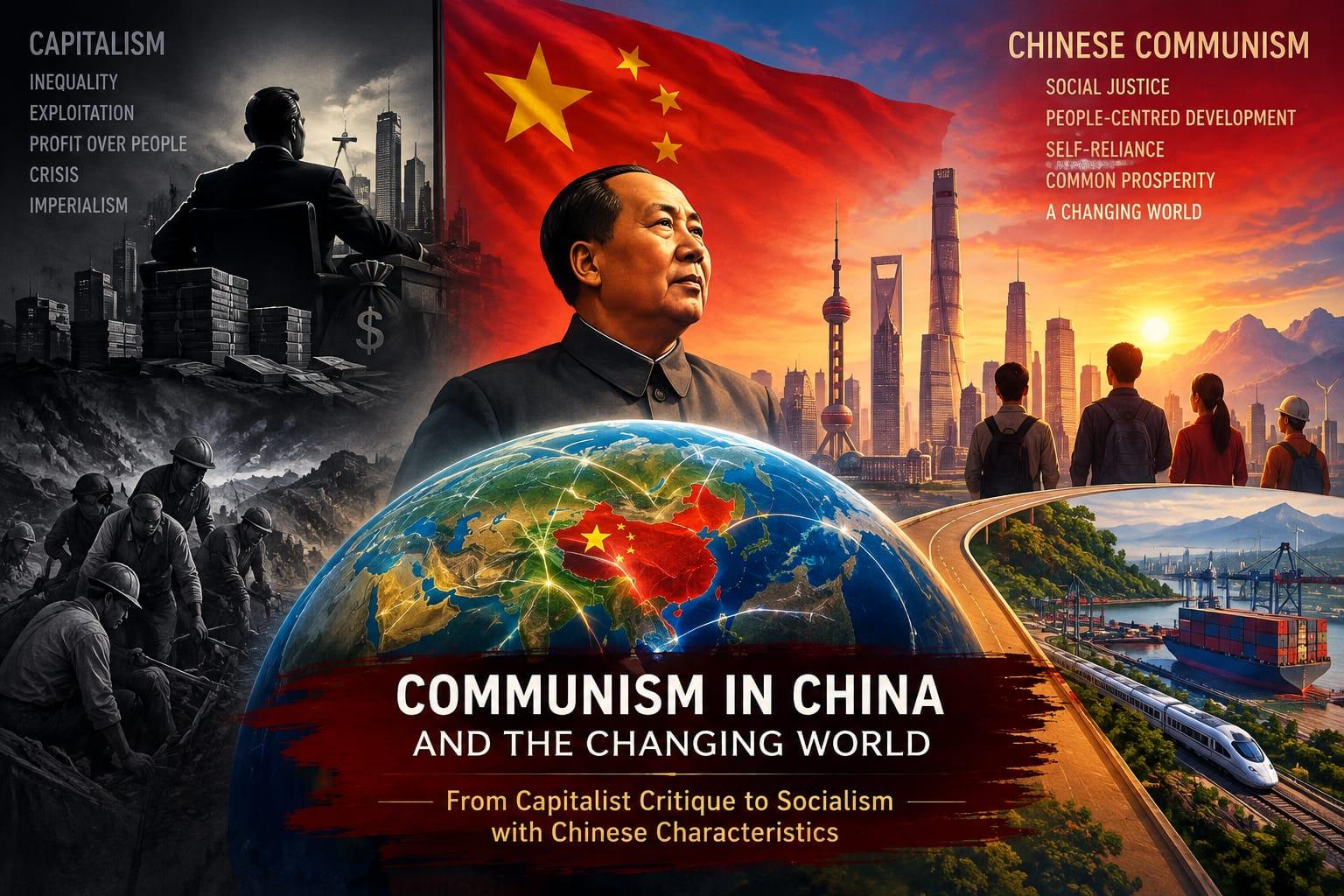
Communism in China and the changing world: from capitalist critique to socialism with Chinese characteristics
- 2 hours ago

Buying Apple’s wall-mounted HomeView? The mount costs extra
- 2 days ago

Hands-on with the Apple Home Collection
- 2 days ago

Bollywood actor Tiger Shroff shot at in Mumbai, three suspects held: police
- 2 hours ago