The European Commission has proposed new sanctions against Russia, including a ban on buying Russian coal and on Russian ships entering EU ports

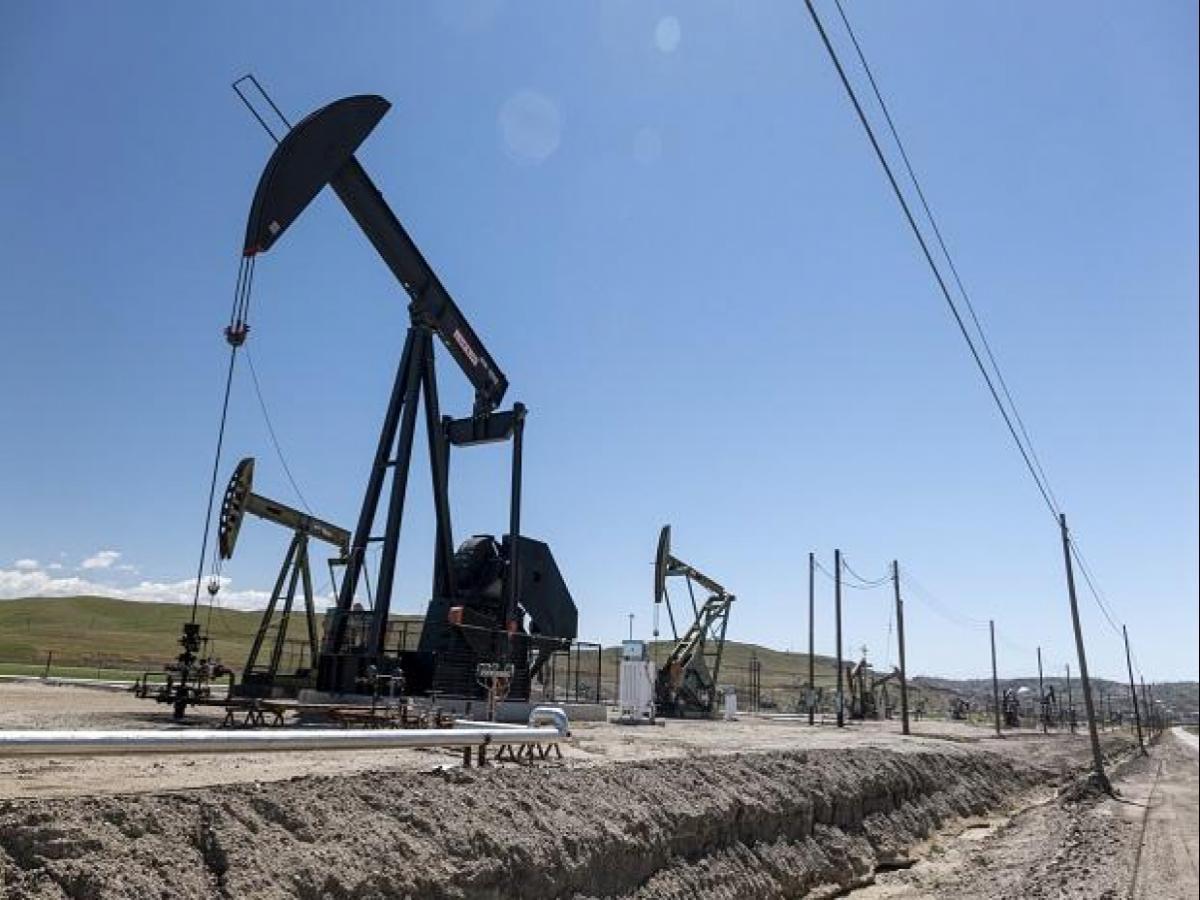
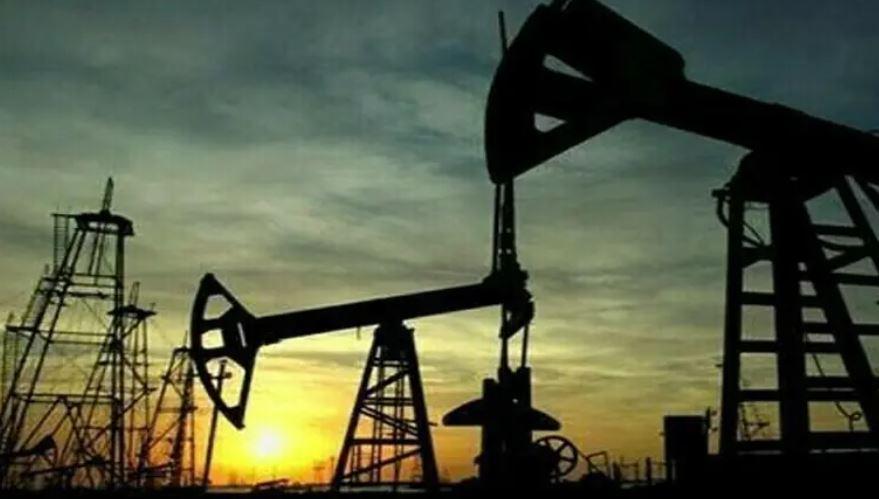
Oil prices surged on Tuesday as Europe announced plans to impose new sanctions on Russian oil imports to punish Moscow over alleged war crimes in Ukraine, raising concerns over tighter global supply.
Brent crude was up $1.10, or 1%, to $108.63 a barrel at 1334 GMT. U.S. West Texas Intermediate was up $1.12, or 1.1%, at $104.40.
"With the European Union working on new sanctions that may target Russia’s oil industry, crude prices could edge up in the near term," FXTM analyst Lukman Otunuga said.
The West is planning new sanctions against Russia over civilian killings in Ukraine, with President Joe Biden's national security adviser saying that new US sanctions against Moscow would be announced this week.
The European Commission on Tuesday proposed new sanctions against Russia, including a ban on buying Russian coal and on Russian ships entering EU ports.
German Foreign Minister Annalena Baerbock said the ban on coal will be followed by oil and then gas.
To calm oil prices, U.S.-allied countries agreed last week to a coordinated oil release from strategic reserves for the second time in a month. However, Japanese industry minister Koichi Hagiuda on Tuesday said that the International Energy Agency (IEA) was still examining details of the release.
Oil prices jumped by more than $2 after his comments.
Ole Hansen, head of commodity strategy at Saxo Bank, expects oil prices to trade between $90 and $120 a barrel during the second quarter.
"Key events that could trigger additional uncertainty remain the prospect for an Iran nuclear deal, Venezuela being allowed to increase production and, not least, an increase in U.S. shale oil production," he said.
The United States still believes there is an opportunity to overcome the remaining differences with Iran in talks over its nuclear programme, State Department spokesman Ned Price said on Monday.
Any signs that the United States and Iran are moving closer to a nuclear deal, which would return up to 1.3 million barrels per day of Iranian oil to global markets, would weigh on oil prices, BCA research said.
The end of the refinery maintenance period in Europe also lent some support to oil prices, analysts said, because it will allow higher crude intake.
Also Iraq announced on Tuesday that it produced 4.15 million barrels per day (bpd) of oil in March, 222,000 bpd short of its production quota under an agreement with other OPEC+ producers.
Underinvestment and maintenance problems have stymied efforts by some other OPEC+ producers to raise output, including Angola and Nigeria, adding to the supply tightness.
Kazakhstan, an OPEC+ producer, has also cut its oil output forecast to 85.7 million tonnes this year from the previous target of 87.5 million after damage to the Caspian Pipeline Consortium terminal in Russia.
SOURCE: REUTERS

Trump’s short-lived press ban
- 17 hours ago

Security forces kill six terrorists in Balochistan's Kachhi: ISPR
- 8 hours ago

DG ISPR details alleged Indian ‘false-flag operation’ in Indian-held Kashmir
- 6 hours ago

AI is already deciding whether or not people receive medical care
- 17 hours ago

How can we create more Indianapolises and fewer San Franciscos?
- 8 hours ago

'National Mental Health Policy developed to bring mental healthcare closer to every family'
- 8 hours ago

The hard choice Democrats face on Republicans’ anti-trans attacks
- 17 hours ago

Pakistan conducts calibrated aerial strikes on terrorist hideouts in Afghanistan
- 9 hours ago

Walmart won’t hike prices based on your shopping history, CEO says
- 19 hours ago
What China wants from AI
- 17 hours ago

India thump Sri Lanka, will face Pakistan for Asian Games cricket gold
- 8 hours ago

'No new MRPs': Pakistan to switch to e-passports from Oct 15
- 6 hours ago