Tokyo 2020′s organising team head in contradiction to the health experts wants to allow thousands of Olympics audiences.

The latest comment from the organizing committee chief is seen setting up a possible clash with Japan’s top medical adviser.
The country's medical chief is urging no crowds as the least risky option during a virus outbreak.
Japan is moving ahead with accommodating the Games which kick off on July 23 despite an ongoing fourth wave of COVID-19 infections and strong public opposition.
However, a final decision on domestic spectators will be made at a meeting to be held as early as Monday among Tokyo 2020 organisers, the International Olympic Committee, International Paralympic Committee, the Japanese government and Tokyo Metropolitan government.
“I would like it to be held with spectators. I plan to head into the five-way meeting with that in mind,” a newspaper quoted Tokyo 2020 head, Seiko Hashimoto, as saying in an interview.
Speaking at the start of an experts meeting, Hashimoto said advice from Japan’s top medical adviser, Shigeru Omi, had been received and would be deliberated.
Media said Omi advised holding the Games without any spectators as the least risky option given the potential for another surge in coronavirus infections.
Spectators from abroad are already banned from the sporting show.
Prime Minister Yoshihide Suga’s government decided on Thursday to ease emergency coronavirus curbs in nine regions including Tokyo while keeping some “quasi-emergency” limitations.
Health experts including Omi agreed earlier that the number of spectators at domestic events could be raised to 10,000, but only in areas where “quasi-emergency” measures, including limiting restaurant hours, have been lifted.
Tokyo is scheduled to be under the lesser restrictions until July 11 after the state of emergency - the third since April last year - expires for the capital on June 20.
A survey showed 32% of Japanese favoured a cap on spectators, 29% wanted no spectators and 31% wanted the Games to be cancelled.
Japan has not experienced the explosive outbreaks seen elsewhere but a recent surge and initially slow vaccinations rollout prompted concerns about strains on the medical system.
The country has recorded more than 776,000 cases and over 14,200 deaths, while just 15% of its population has received at least one Covid-19 vaccination.
What the Democratic leadership fight is really about
- a day ago
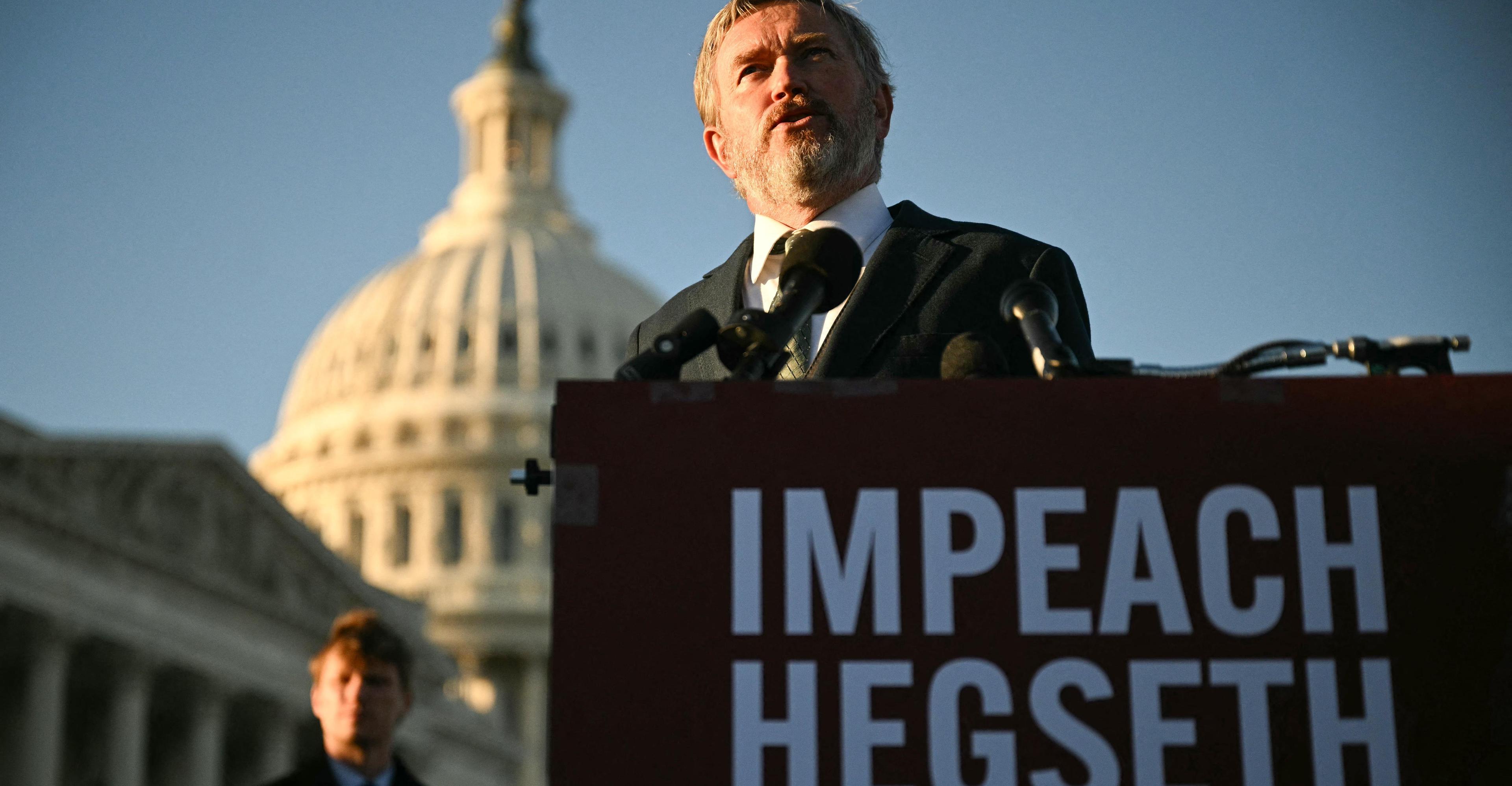
What to know about the Republican-led effort to impeach Pete Hegseth
- a day ago
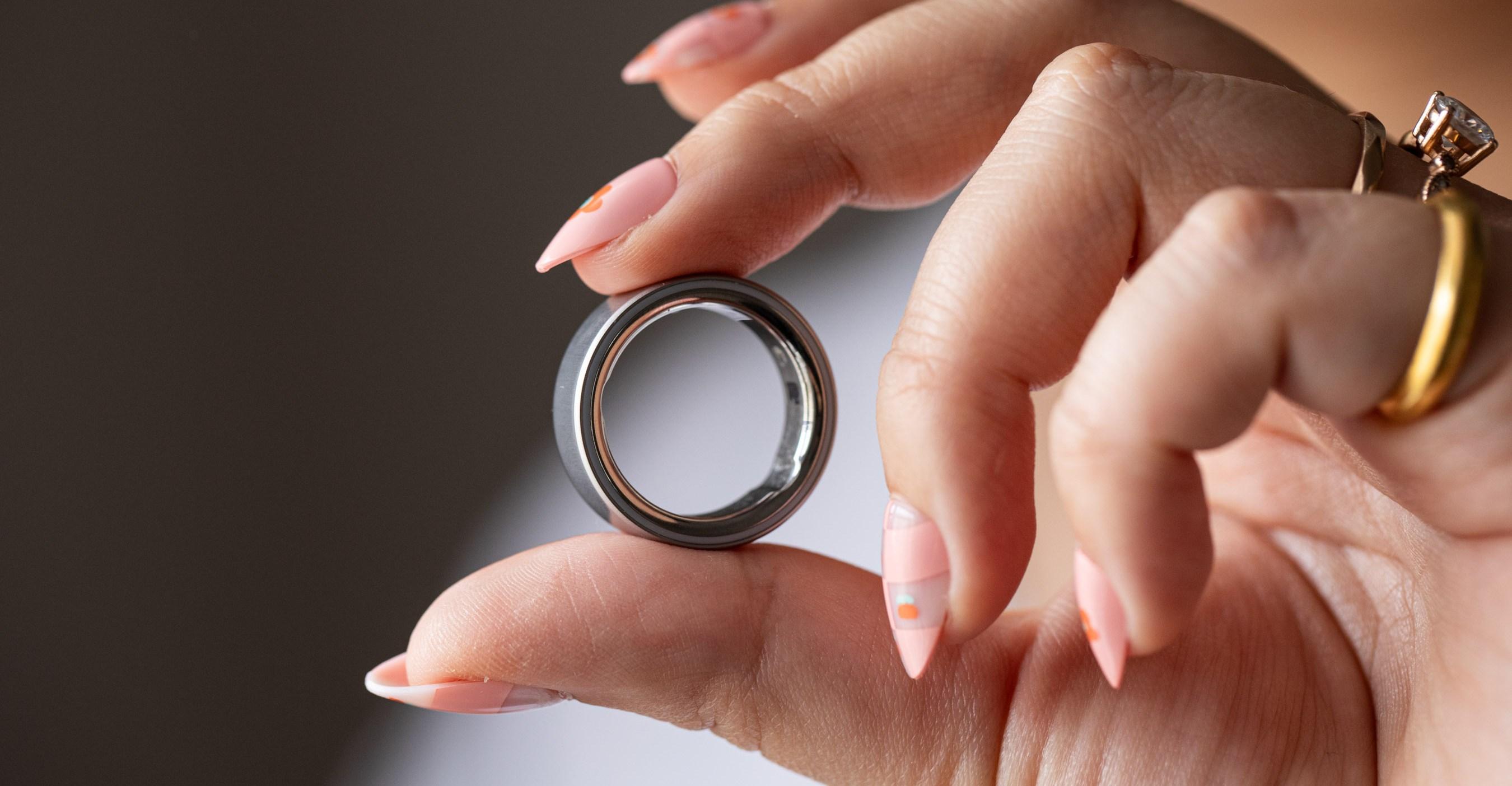
The Oura Ring 4 is almost as good as the newer model, but $150 cheaper
- 11 hours ago

The pricey new Apple TV 4K is still the best streamer around
- 11 hours ago

Sony’s latest Pulse wireless headset packs planar magnetic drivers at a good price
- a day ago

The Verge’s 2026 gift guide for dads
- 11 hours ago
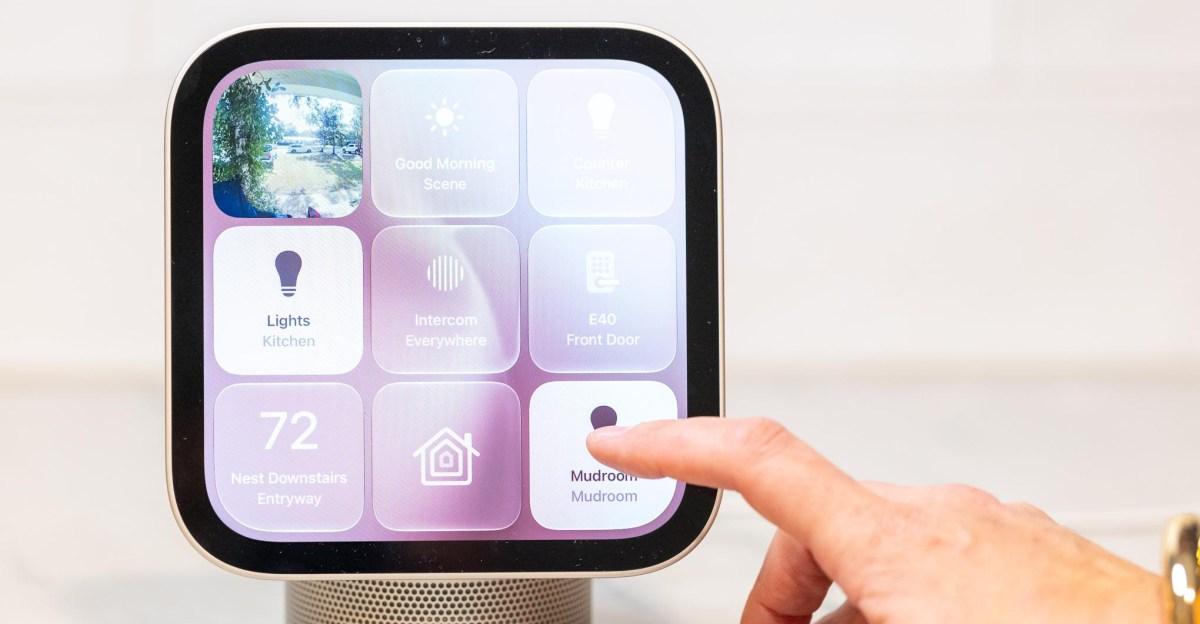
Apple’s HomeView is my new favorite smart display — but not my daughter’s
- 11 hours ago

‘The end of Tesla!’: Cybertruck diehards turn on Elon Musk after he pulls the plug
- 11 hours ago

Google Fi is bringing back multiple cell network support for better coverage
- a day ago

AI chatbots are recommending fake retail websites, study finds
- 11 hours ago

No, AI agents did not discover a previously unknown Maya site
- 11 hours ago
Apple announces release dates for the first Apple Home Collection smart devices
- 11 hours ago