
This advertising content was produced by Amylyx Pharmaceuticals, Inc., and does not reflect the opinions or point of view of Vox Media or Vox Creative. This content is intended for U.S. audiences only. In the United States, more than 100 million adults, or ap…

Published 2 years ago on Mar 7th 2025, 12:00 pm
By Web Desk
This advertising content was produced by Amylyx Pharmaceuticals, Inc., and does not reflect the opinions or point of view of Vox Media or Vox Creative.
This content is intended for U.S. audiences only.
In the United States, more than 100 million adults, or approximately 40 percent of the adult population, have obesity and for decades obesity prevalence has steadily climbed. Obesity is a chronic condition that increases the risk of other chronic and life-threatening conditions like hypertension, type 2 diabetes, coronary heart disease, stroke, and certain cancers. People with obesity also experience high rates of weight stigma or stereotyping, mistreatment, and social devaluation related to body weight.
For people with obesity, bariatric surgery may be an option. Bariatric surgery can result in significant weight loss and the improvement, prevention, or resolution of many related diseases including type 2 diabetes, heart disease, hypertension, sleep apnea, and certain cancers. Bariatric surgery has also been shown to produce major reductions in clinical morbidities such as cardiovascular events, and may reduce long-term mortality risk in obese individuals by as much as 40 percent. Over the past 10 years, about two million people living in the U.S. have undergone the two most common types of bariatric surgery, which include sleeve gastrectomy and Roux-en-Y gastric bypass, with more than 200,000 new procedures performed every year.
In addition to the established clinical benefits of bariatric surgery, the general safety of bariatric surgery is also well-established, with complication rates in line with common surgical procedures such as minimally invasive gallbladder removal. However, in a rare subset of people, a potentially debilitating condition called post-bariatric hypoglycemia may present in the years following bariatric surgery.
Understanding post-bariatric hypoglycemia
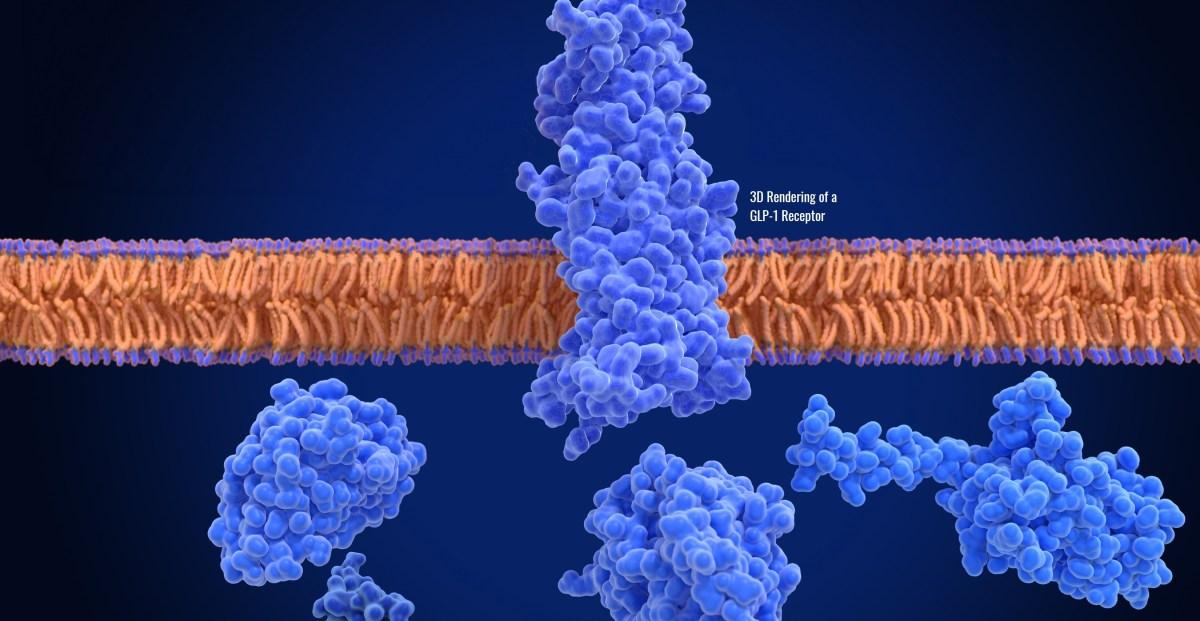
Post-bariatric hypoglycemia, or PBH, is a condition that can occur one or more years after undergoing bariatric surgery. While the exact cause of PBH is not fully understood, an excessive GLP-1 response to meals is believed to play a primary role. Excessive GLP-1 levels lead to hypersecretion of insulin, and this high level of insulin causes blood sugar levels to drop too low, a condition called hypoglycemia.
PBH can cause persistent, recurrent, and debilitating hypoglycemic events for some individuals. Some symptoms, such as sweating, tremors, and palpitations, are caused by the body trying to raise blood sugar levels. Other symptoms occur due to an inadequate supply of blood sugar to the brain. This deprivation can manifest as impaired cognition, loss of consciousness, seizures, and other symptoms that can result in major disruptions to independent living.
Repeated instances of hypoglycemia can lead to hypoglycemia unawareness, a condition in which the body does not produce the typical early signs and symptoms of low blood sugar. Failure to recognize hypoglycemia early can increase the risk of serious events, further impairing safety and requiring the assistance of others.
Addressing conditions with high unmet need
It is estimated that PBH affects approximately 8 percent, or 160,000, of the two million people in the U.S. who have undergone the two most common types of bariatric surgery in the past decade.
There are currently no approved therapies for PBH, but the scientific community is making strides in advancing research. Amylyx, a clinical-stage pharmaceutical company based in Cambridge, Massachusetts, is focused on developing potential new therapies for communities with high unmet needs, including for individuals with PBH.
“We feel an unwavering responsibility to the communities with high unmet need, and taking on such responsibility is at the heart of what we do. Our research is guided by the emerging science and inspired by the understanding that people living with conditions like PBH have been doubted, or even ignored, and living in search of answers for far too long,” said Camille L. Bedrosian, MD, chief medical officer of Amylyx and an expert with nearly 30 years of experience addressing unmet medical needs for people with rare and serious conditions through successful clinical and translational research programs.
For people living with PBH, each day can feel like a battle against persistent, recurrent, and debilitating hypoglycemic events that have a profound impact on their quality of life, rendering many unable to drive, work, live alone, or care for dependents. Fortunately, the scientific understanding of PBH is advancing rapidly — as are potential therapies in clinical trials — giving hope to people living with PBH and their families.

What do you do when your love and your life are in two different places?
- an hour ago

Delta can turn the iPhone Duo into your favorite folding handheld
- 18 hours ago

Trump is trying to overturn an election that hasn’t happened yet
- a day ago

Should you let a chatbot manage your money?
- a day ago

Trump says Sundar Pichai talked him out of renaming the Atlantic Ocean
- 18 hours ago

Sure, let’s smoosh SpaceX and Tesla together, who cares
- 18 hours ago

Microsoft shuts down its beloved maker space
- 18 hours ago

OpenAI now trains its frontier AI models with no internet access
- 18 hours ago

Samsung’s latest 55-inch Frame TV is down to its lowest price yet
- 18 hours ago

Apple will label apps that are ‘Made for iPhone Duo’
- 18 hours ago

Jack Dorsey’s Block made an AI model that talks to you like an awkward new friend
- 18 hours ago

PHP: The three little letters wreaking havoc across the web
- 18 hours ago
You May Like





Trending